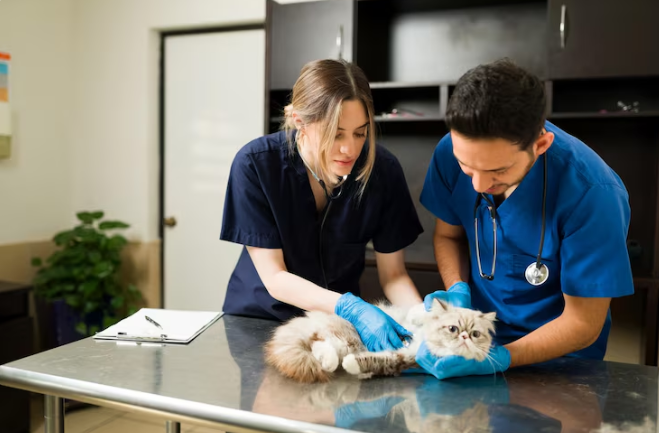
You might be doing your best for your pet and still wondering if you are missing something. One day your dog seems fine, and the next day there is vomiting, limping, or a behavior change you cannot explain. Or maybe your cat hides discomfort so well that by the time you notice a problem, it already feels urgent and expensive. That kind of uncertainty wears on you, because you want to protect your animal before small issues grow into harder ones, which is why finding a trusted veterinarian in Watertown, NY can make all the difference.
That is where preventive education matters. When a veterinary clinic teaches you what to watch for, how to respond, and when to seek care, you are not just getting facts. You are getting a clearer path. In simple terms, preventive education from veterinary clinics helps owners spot problems earlier, make safer daily choices, and avoid some of the stress that comes from guesswork.
Why does pet health education matter before anything seems wrong?
It is easy to think of a veterinary clinic as the place you go when something is already wrong. But a good clinic also helps you understand what normal looks like for your pet, which is often the first step in recognizing what is not normal. If you know how often your pet should eat, drink, move, rest, and eliminate, you are much more likely to notice subtle changes early.
Because of that, preventive pet care guidance can change the whole experience of ownership. Instead of reacting only when there is a crisis, you begin to prevent some of those crises. You learn why vaccines matter, how parasite control works, what healthy weight looks like, and why dental care is not just about bad breath. You also learn that prevention is not one big event. It is a series of small, steady choices.
And what happens when owners do not get that education? Small warning signs can get brushed off. A skipped meal becomes several. A mild limp becomes a chronic joint issue. A little tartar becomes painful dental disease. The hard part is that none of this comes from neglect in the usual sense. Often, it comes from not being told what to look for.
How can a veterinary clinic reduce stress, cost, and confusion for owners?
When a clinic takes time to explain risks and routines, it gives you more than medical advice. It gives you confidence. That matters, especially when emotions are high. If your pet has an upset stomach, a skin issue, or a sudden behavior change, your first question is often, “Is this serious?” Preventive education helps you sort out what can be monitored, what needs a prompt appointment, and what counts as an emergency.
That kind of support also has a financial side. Emergency care is sometimes unavoidable, but some urgent visits begin with preventable issues like missed vaccinations, untreated parasites, poor diet, or delayed treatment for mild symptoms. Owner education from a veterinary clinic can help reduce those risks by making everyday care more informed.
There is also a public health piece that owners may not think about right away. Some diseases can spread between animals and people, which is why routine guidance on hygiene, vaccination, and safe handling matters. The CDC has shared data on zoonotic disease prevention and awareness through resources like this CDC publication on zoonotic disease education. For households with children, older adults, or anyone with a weaker immune system, that knowledge can be especially useful.
So, where does that leave you if you already feel behind? In a better place than you think. Preventive education is not about perfection. It is about helping you make the next good decision, then the one after that.
What does preventive planning from a veterinary clinic actually look like?
Good education is not random. It usually works best when it is part of an ongoing plan. In animal care settings, written protocols and clear communication have long been recognized as important for health oversight. You can see that emphasis in resources such as the USDA guidance on important conversations with attending veterinarians and its information on a written veterinary care program. While those materials speak to structured care systems, the same idea helps pet owners too. Clear plans reduce confusion.
For a household pet, that plan might include vaccine schedules, heartworm and flea prevention, nutrition guidance, dental checks, weight monitoring, and behavior discussions. It can also include practical coaching, such as how to give medication, how to spot dehydration, or when a cough is more than “just a cough.”
Which approach helps more, guessing at home or getting preventive guidance?
Sometimes owners rely on internet searches, advice from other pet owners, or trial and error. That is understandable. But when your pet cannot tell you exactly what hurts, guessing has limits. A side by side look makes that clearer.
| Approach | What it often looks like | Likely result |
|---|---|---|
| Guessing at home | Watching symptoms, searching online, waiting to see if it passes | Short term reassurance, but higher risk of delay or wrong response |
| Preventive education from a clinic | Learning warning signs, care routines, vaccine timing, and when to call | Earlier action, fewer surprises, and more confident decisions |
| Urgent only care | Going in mainly when symptoms are severe | Necessary in true emergencies, but often more stressful and costly |
The point is not that owners should panic over every change. It is that informed owners are better able to tell the difference between a minor issue and a meaningful one.
What can you do right now to make preventive veterinary care work better?
- Ask for a simple prevention roadmap. At your next visit, ask what your pet needs over the next 12 months. Vaccines, parasite prevention, dental care, weight goals, and lab work should all be explained in plain language.
- Track small changes at home. Keep a short note on appetite, water intake, energy, bathroom habits, and behavior. Patterns are easier to spot when you have a record, and that makes conversations with your clinic much more useful.
- Learn your clinic’s “call now” signs. Ask which symptoms should prompt a same day call. Trouble breathing, repeated vomiting, collapse, toxin exposure, or a blocked urination attempt are common examples. Knowing this ahead of time cuts through panic.
Why does all of this help owners feel more in control?
When you understand prevention, you stop carrying the whole burden alone. You still make daily choices, of course, but you do so with better guidance and fewer blind spots. That can protect your pet’s health, your peace of mind, and in some cases your budget too.
If you have been feeling unsure, that does not mean you have failed your pet. It usually means you need clearer support. A veterinary clinic that teaches, not just treats, can make everyday care feel far less overwhelming.