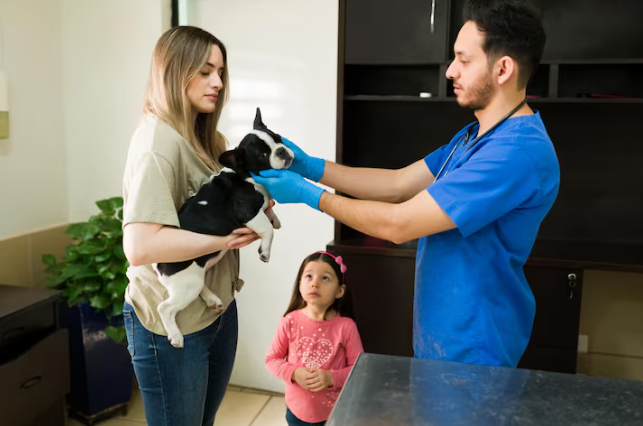
Your time with your pet’s doctor should feel simple. You want clear answers, fast decisions, and a plan that makes sense. In house diagnostics help with that. When a clinic can run tests on site, you wait less, worry less, and start treatment sooner. That speed can protect your pet during sudden illness. It can also support steady care for long term conditions. Many clinics still send tests to outside labs. That can add hours or days of delay. It can also raise the chance of missed details or mixed messages. In house tools reduce those risks. They give the care team real numbers in real time. If you are looking for a veterinarian in Chicago, IL, in house diagnostics can shape your whole experience. They can change a long, uncertain visit into one focused on clear results and strong next steps for your pet.
What In House Diagnostics Mean For You
In house diagnostics are tests that your vet team runs right inside the clinic. Common tools include:
- Blood analyzers
- Urine testing machines
- X ray units
- Basic ultrasound units
- Microscopes for skin, ear, and stool checks
You see the effect in three direct ways. You wait less. You get clearer answers. You start treatment right away when your pet needs it most.
Faster Answers During Emergencies
When your pet is in crisis, every minute feels heavy. You want to know what is wrong and what comes next. In-house tests cut the time from worry to action.
With on-site blood work, your vet can check organ function, blood sugar, and infection signs in minutes. That speed can guide safe use of fluids, pain control, and surgery. It also lowers the chance that your pet goes home without a clear plan.
The U.S. Food and Drug Administration explains how lab tests support safe treatment decisions in people. The same idea holds for pets. Accurate tests guide care.
Stronger Care For Long Term Conditions
Pets with diabetes, kidney disease, or thyroid problems need steady tracking. In-house diagnostics help your vet adjust medicine on the spot.
During a checkup, your vet can:
- Run blood tests
- Check urine concentration
- Review results with you in the same visit
You leave with a clear update. You also leave with changed doses or new food if needed. You do not wait for a phone call or guess what the numbers mean. That keeps your pet safer and your schedule calmer.
How In-House Diagnostics Change Your Visit
Here is a simple comparison of a common visit with and without in-house testing.
| Step in Visit | In House Diagnostics | Send Out Lab
|
|---|---|---|
| Initial exam | Vet orders tests and sends samples to on-site lab | Vet orders tests and packs samples for shipment |
| Testing time | Results in about 15 to 30 minutes for many tests | Results in 1 to 3 days for routine tests |
| Treatment plan | Plan set before you leave the clinic | Plan set later by phone or another visit |
| Your follow up tasks | Start medicine or diet the same day | Wait for call. Then return to pick up medicine or change plan |
| Risk of mixed messages | Low. One team handles testing and care | Higher. Outside lab and clinic share results across systems |
This pattern repeats for many pets. Quick results mean fewer trips, fewer hard choices in the dark, and more time to focus on daily life with your pet.
Clearer Communication And Fewer Mistakes
When tests stay inside the clinic, your vet team controls the whole process. They collect the sample, run the test, read the result, and show you what it means. That tight loop helps prevent mix-ups.
Outside labs can still give good data. Yet shipping, labeling, and extra steps can bring risk. A small error with a sticker or form can send results to the wrong chart. In-house tools cut those links in the chain.
The Centers for Disease Control and Prevention shares that in human health, strong lab systems help catch disease early and guide safe care. You can see this in their overview of laboratory science and safety. The same core idea supports better pet care. Reliable tests protect health.
Less Stress For You And Your Pet
Trips back and forth to the clinic wear on you and your pet. Each return visit can mean time off work, child care plans, and a scared animal in a carrier or on a leash.
In house diagnostics reduce repeat visits for simple follow-up. You sit in the room once. Your pet gives one blood sample. Then you get results, a plan, and clear steps before you leave. That rhythm calms the whole experience.
This approach also helps shy or older pets. Fewer visits mean fewer chances for pain, motion sickness, or fear. That respect for your pet’s limits builds trust.
What You Can Ask Your Vet
You do not need a science background to talk about diagnostics. You only need a short list of plain questions. You can ask:
- Can you run this test in-house?
- How long will the results take
- Will we set a plan today or after the lab report?
- How often will my pet need this test
- What changes should I watch for at home
These questions show that you want clear, fast care. They also help your vet explain what to expect. That shared understanding reduces fear and confusion when your pet is sick.
Using In-House Diagnostics To Protect Health
In-house tools work best when used early. Regular blood work, urine checks, and imaging can uncover small problems before they grow. Your vet may suggest screening tests as your pet ages or starts new medicine.
When you agree to these tests, you give your vet the chance to act sooner. That can mean lower costs over time, shorter hospital stays, and a longer, steadier life for your pet.
In-house diagnostics do not replace careful exams or your own sense of your pet’s normal behavior. They support both. They turn your concern into data. Then they turn that data into action while you are still in the room.
With the right tools on site, your vet clinic can move from slow guesswork to direct, timely care. Your pet feels that change. You feel it too each time you walk out with real answers and a clear next step.