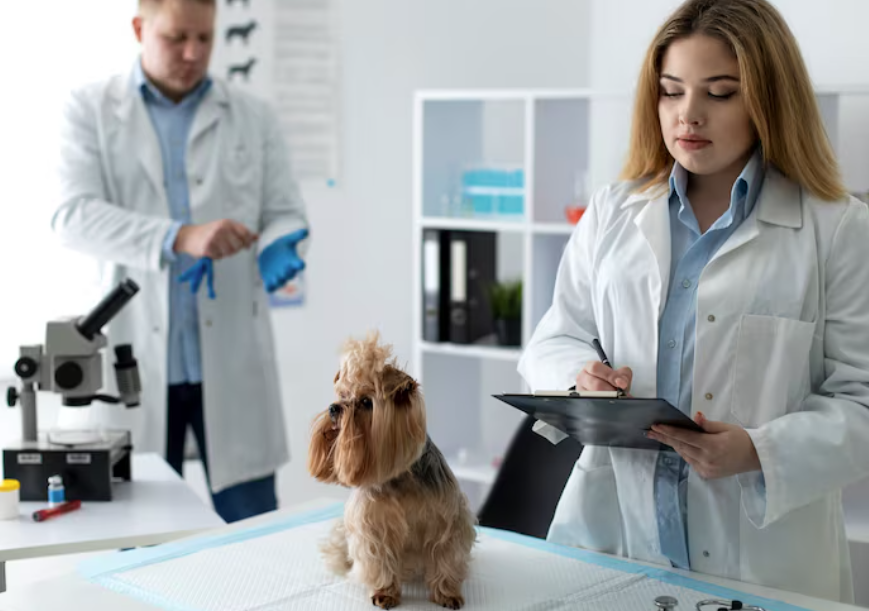
You might be sitting in a waiting room right now, watching your pet pace, pant, or hide under the chair, and wondering why every minute feels like an hour. Maybe the veterinarian in Pembroke Pines, FL has just said, “We need some tests,” and your mind jumps straight to worst case scenarios and long waits for results. Or you have been through this before, watching days go by while your pet’s bloodwork or imaging was sent to an outside lab.
This is where on site diagnostic labs in animal hospitals quietly change the story. They do not erase the worry, but they shorten the unknown. They give your veterinary team answers while you are still in the building, so they can move from guessing to treating. In simple terms, in house diagnostics mean faster results, more precise care, and often a lower overall cost than you might expect.
So where does that leave you as a pet owner who just wants clear answers, without unnecessary stress or delay? That is what this piece is here to unpack, so you can understand what these labs really do, when they help, and what you should ask your vet before agreeing to tests.
Why waiting for outside lab results feels so hard
When you hear “we need tests,” you are not just facing a medical issue. You are facing uncertainty. You might worry about money, about time away from work, about your pet getting worse while you wait, and about whether anyone is really moving fast enough.
In many traditional setups, the process is slow. Your vet draws blood or collects samples. These are packaged and shipped to an external diagnostic center. Results may not return until later that day or even several days after, especially if something needs to be repeated or confirmed. During that time your pet may be on basic supportive care or pain relief, but not yet on targeted treatment.
Because of this lag, you might feel stuck in limbo. You go home with a worried pet and an even more worried mind, refreshing your email or waiting for a call. You might even start searching online and scaring yourself with worst case scenarios.
So what changes when your animal hospital has an on site veterinary diagnostic laboratory that can run many of those tests in house?
How in house diagnostics shift the entire care experience
When a hospital has its own lab, many common tests happen right down the hall from the exam room. Blood counts, organ function panels, basic hormone tests, urinalysis, some infectious disease screens, and sometimes even imaging interpretation can all be done without leaving the building.
Research on rapid diagnostics in healthcare backs up what many pet owners already feel in their gut. Faster results can support better clinical decisions and more focused treatment. For example, work on point of care testing in medical settings has shown that timely lab data can change how and when treatment is started, which often improves outcomes. You can see this kind of discussion in academic work on clinical decision support and point of care systems, such as the analysis shared through Cornell’s digital archive on rapid testing and decision making.
In an animal hospital, that might look like this. A dog comes in lethargic, not eating, vomiting. The vet is worried about pancreatitis, kidney disease, or a toxin. With an in house lab, bloodwork and basic chemistry can be run within the hour. If kidney values are high, fluids and specific medications can start right away. If the blood sugar is dangerously low, that is corrected before the pet ever leaves the building.
Without that on site lab, the same dog might be sent home with anti nausea medication while everyone waits for outside results. The condition could worsen quietly overnight. The difference is not just technical. It is emotional and practical for you as the caregiver.
Where do cost and accuracy fit into this picture?
Of course, you might be wondering about tradeoffs. Are in house tests as accurate as those at large reference labs. Are you paying more for speed. Could your pet ever be better off waiting for the outside lab.
Large reference labs often have access to specialty tests, advanced equipment, and subspecialist review. They can be ideal for complex endocrine testing, rare infectious diseases, or confirming unusual findings. At the same time, modern in house analyzers have become highly reliable for routine work, and many are validated against external standards. Work comparing laboratory and point of care systems in human medicine has shown that when equipment is well maintained and staff are well trained, results can align closely with those from central labs. An example of this kind of comparison is described in research available through the University of Strathclyde’s archive on diagnostic technology and clinical decision systems.
From a financial standpoint, it can feel like more tests always mean more cost, but that is not always true. Faster diagnosis can prevent unnecessary hospital days, repeated visits, or trial and error medications. In many cases, the upfront cost of an in house blood panel is balanced by a shorter and more effective treatment plan.
The real question is not “Is in house better than outside labs,” but “Which tests should be done where for this specific pet, right now.” That is where a thoughtful veterinarian uses both tools, not just one.
Comparing on site vs send out diagnostics in animal hospitals
The table below outlines how on site labs and external labs typically compare for everyday situations. It is not absolute, but it can help you frame a conversation with your vet.
| Aspect | On Site Diagnostic Lab | External Reference Lab |
| Typical turnaround time | Minutes to a few hours | Same day to several days |
| Best for | Emergency cases, pre surgery checks, monitoring chronic disease, quick screening | Specialized tests, complex hormone panels, rare infectious disease workups |
| Impact on treatment decisions | Allows same day diagnosis and treatment adjustments while you are still in the hospital | Supports long term planning and second opinions once urgent issues are under control |
| Cost picture | May be higher per test, but can reduce repeat visits and extra hospitalization | Can be cost effective for bundles of advanced tests, but adds shipping and time |
| Accuracy and depth | Highly accurate for routine panels when equipment and training are strong | High depth and range of testing, subspecialist review available |
Looking at this, you can see why many hospitals use a blend of both. The value of in house diagnostic testing for pets often lies in that first column. It shortens the path from “something is wrong” to “here is what we are going to do.” Then, when needed, outside labs deepen the picture.
Three practical steps you can take as a pet owner today
- Ask your vet what can be tested in house and what must be sent out
You do not need to accept “we are running some labs” as a complete answer. You can calmly ask which tests are being done in the clinic and which are going to an outside lab. Ask when you can reasonably expect each result. This helps you set your expectations and reduces that painful waiting in the dark.
- Talk about how speed will change your pet’s treatment plan
If your hospital has an on site diagnostic lab in the animal hospital, ask how quicker results will change what happens today. For example, “If we have bloodwork in an hour, what decisions will that help you make.” Understanding the “why” behind each test can make the cost and the time feel purposeful instead of random.
- Plan ahead for chronic conditions that need repeated lab work
For pets with diabetes, kidney disease, thyroid issues, or long term medications, lab work is not a one time event. It is ongoing monitoring. Ask if some of that monitoring can be done in house on a set schedule. You can also ask whether certain key tests should periodically go to an external lab for deeper review. This shared plan helps avoid last minute surprises and spreads costs out over time.
Finding steady ground when your pet needs answers fast
When your pet is sick, nothing feels stable. Time stretches. Every small change in how they move or eat can send your heart racing. Understanding how your animal hospital uses its diagnostic tools will not erase the fear, but it can give you a clearer map of what is happening and why.
On site diagnostic labs in animal hospitals are not about fancy machines. They are about giving your vet and your pet real time information, so treatment starts sooner and with more confidence. External labs still matter and often complete the picture, yet the presence of in house testing can make those first crucial hours far less uncertain.
You are allowed to ask questions. You are allowed to say, “I am worried about the waiting. How quickly can we know what is going on.” A good veterinary team will welcome that honesty and walk you through how their diagnostic choices support the care your animal deserves.