You might be reading this because something small has started to worry you. Maybe your cat has a lump that was not there last month, or your older dog has begun to slow down in a way that feels different. Perhaps you’ve started wondering whether it’s time to visit a veterinary clinic in Kanata, ON for answers. Part of you wants to believe it is nothing. Another part of you keeps thinking about that word no one wants to say out loud. Cancer.
This is a hard place to be. You are trying to balance hope with realism, you do not want to overreact, yet you are afraid of waiting too long. That tension is exhausting. It can help to know that you are not supposed to figure this out alone. Regular general veterinary care exists partly for this exact reason. Routine exams, bloodwork, and honest conversations with your general veterinarian are often how cancer is caught early, when there are more options and a better chance of control.
Put simply, ongoing general veterinary care acts like an early warning system for your pet. It does not prevent every cancer, and it cannot guarantee a cure, but it can improve the odds of finding problems when they are still small and more manageable. That is what this is really about. Giving your dog or cat a quieter, more comfortable life for as long as possible.
Why does cancer in pets hide so easily, and why is your general vet so important?
One of the most upsetting parts of pet cancer is how quietly it can move. A dog can chase a ball with a tumor in the spleen. A cat can purr on your lap with lymphoma already growing. Because they cannot tell you when something feels “off,” you may not see clear signs until the disease is more advanced.
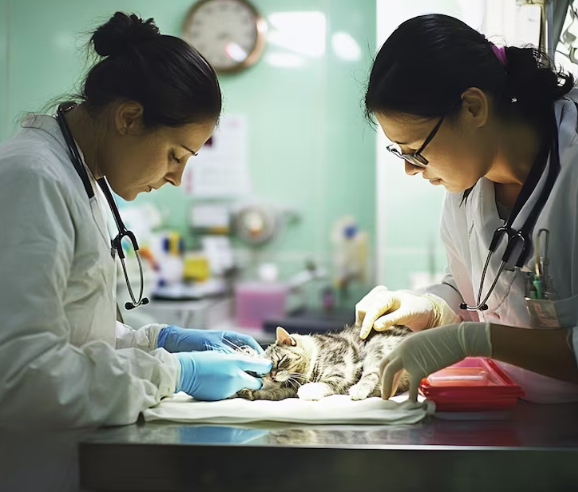
That is where early cancer detection in routine vet visits matters. During a wellness exam, a general veterinarian is not just giving vaccines and refilling flea prevention. They are listening for heart changes, feeling for hidden lumps, checking lymph nodes, looking at gums, and scanning the body for anything that does not match your pet’s normal pattern. Small clues that seem meaningless on their own can start to form a picture.
For example, imagine a 9 year old Labrador who comes in for an annual check. The owner thinks the only concern is some stiffness after long walks. During the exam, the veterinarian notices pale gums and a slightly large abdomen. Bloodwork shows anemia. An ultrasound finds a mass on the spleen. Without that “routine” visit, the first sign might have been a sudden collapse at home from internal bleeding. The same mass, the same dog, but a very different moment and a very different set of choices.
So where does that leave you when you are worried about cancer but unsure what to do next?
What makes early cancer detection so emotionally and financially complicated?
The problem is not just medical. It is emotional and financial too. When you consider seeing your general veterinarian for possible cancer, a few fears often show up together.
There is the fear of bad news. Many people quietly avoid appointments because they are worried that if they do not ask the question, they will not have to hear the answer. The trouble is that cancer, if present, keeps moving whether anyone speaks its name or not. Waiting rarely makes it easier. It usually just takes choices away.
There is also the fear of cost. Bloodwork, X rays, and ultrasounds can feel expensive, and you may wonder if you can afford treatment if cancer is found. This is a very real concern. The role of your general vet is not only to find disease, but to talk honestly about what different paths look like. That can range from full referral to an oncologist with advanced treatments, to targeted care through your general clinic, to comfort focused care only. You deserve to hear all of those options early, not in a rushed crisis.
On top of this, there is guilt. You might worry that you missed something or waited too long. The truth is that even with perfect care, some cancers are aggressive and quiet. You cannot go back, but you can choose what you do today, and your general vet is your best partner for that decision.
If you want to see how general practitioners and oncology specialists are encouraged to work together, you can look at the AAHA oncology guidelines for dogs and cats. They show how much of cancer care actually begins in the general practice setting.
How does general veterinary care actually catch cancer earlier?
Routine care is not just about vaccines. It is a set of habits that, over time, make early detection more likely. That is the quiet power of a strong relationship with a general veterinarian for cancer screening.
During yearly or twice yearly wellness visits, your vet can:
- Track weight changes that might hint at chronic disease
- Feel for new lumps or bumps and decide which ones need sampling
- Check lymph nodes for subtle enlargement
- Listen to the heart and lungs for changes that could mean tumors or fluid
- Review appetite, thirst, and energy with you
Basic lab tests add another layer. Bloodwork and urine tests sometimes flag cancer directly. More often, they show patterns, like unexplained anemia, high calcium, or odd protein levels, that tell the vet to look deeper. The American Veterinary Medical Association has a clear client guide on cancer in pets and what to watch for, which you can use as a checklist before your visits.
Sometimes the vet will recommend imaging, such as X rays or ultrasound, or a needle sample of a lump. These steps can feel intimidating. The important point is that your general vet is trying to move from “something feels off” to “this is what we are dealing with” while the problem is still small enough to manage.
Comparing your choices around general vet visits and early cancer checks
When you are overwhelmed, it can help to see the options laid out side by side. The table below compares common approaches to routine care and how they affect early cancer detection.
| Approach to vet care | What it usually looks like | Impact on early cancer detection | Emotional and cost effects |
| Regular wellness visits with screening | Yearly or twice yearly exams, age appropriate bloodwork, discussion of any new signs | Highest chance of finding cancer earlier, when more treatment and comfort options exist | Predictable smaller costs over time, less surprise, more time to think through decisions |
| Visits only when something seems “really wrong” | Long gaps between exams, appointments made during obvious illness or decline | Moderate chance of earlier detection, but many cancers found at a later stage | Lower costs in quiet times, but higher risk of urgent, stressful, and expensive crisis visits |
| Home monitoring with rare vet visits | Relying on watching for lumps or changes at home, going to the vet only in emergencies | Low chance of early detection, cancer often found when signs are severe | Emotional shock when disease is found, limited treatment options, decisions made under pressure |
There is no perfect path. Life, money, and time are all real limits. The goal is not perfection. It is to move closer to the first column when you can, and to use your general veterinarian as a guide, not just a last resort.
Three concrete steps you can take right now
- Schedule a wellness exam and bring your quiet worries with you
If it has been more than a year since your pet’s last checkup, or if something has changed in their behavior, book a general vet visit. Write down what you have noticed, even if it feels small. A new lump. Drinking more water. Slower walks. Weight loss. Mention cancer directly if that is on your mind. Your veterinarian would rather hear your fear clearly than guess at it.
- Ask about age appropriate cancer screening
During the visit, ask what makes sense for your pet’s age and breed. That might include routine bloodwork, urine tests, chest X rays, or ultrasound in some cases. For certain breeds with known risks, your vet may suggest earlier or more frequent checks. This is not about running every possible test. It is about choosing the ones that match your pet’s risk and your budget.
- Plan in advance for “what if”
Before there is a crisis, talk with your general veterinarian about what you would want if cancer were diagnosed. Ask about referral options, likely costs at different levels of care, and what comfort focused care could look like. Having this conversation early does not cause cancer. It simply means that if hard news comes, you already have a rough map instead of standing in the dark.
Moving forward with a bit more clarity and a bit less fear
Worrying about cancer in a pet you love is heavy. You are not overreacting. You are trying to protect someone who depends on you. Ongoing general veterinary care for early cancer detection will not remove every risk, but it can shift you from waiting for something terrible to happen to calmly watching, checking, and acting when it still matters most.
You do not have to solve everything today. Start with one small step. Schedule that wellness exam. Write down your questions. Bring up your fears about cancer openly with your general veterinarian. From there, you and your vet can build a plan that fits your pet, your family, and your reality, one visit and one decision at a time.