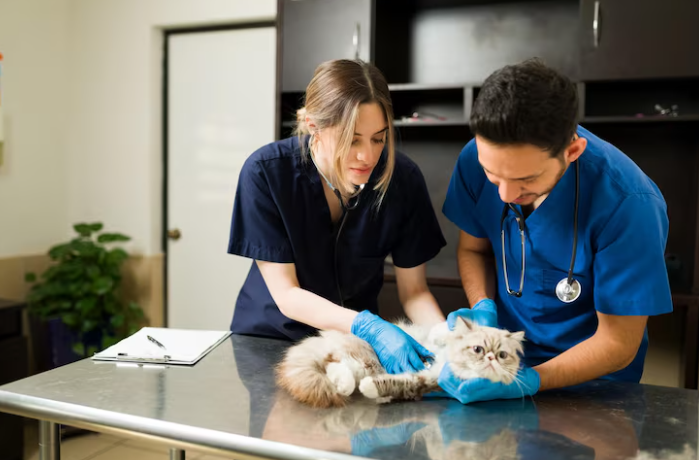
When your pet is sick or hurt, you feel pressure, fear, and confusion. Clear information from your veterinary team cuts through that noise. Client education is not a luxury. It is the core of safe and steady care for your animal. When you understand test results, treatment options, and home care, you make decisions with less doubt and more control. You also catch early warning signs before they turn into emergencies. This matters in every clinic, from a small rural practice to a busy veterinarian in Tomball. Strong education turns short visits into real partnerships. It helps you ask sharper questions, follow treatment plans, and protect your pet between visits. It also reduces costly repeat visits and preventable crises. This blog explains why client education matters, what you should expect from your veterinary hospital, and how you can speak up for your pet’s needs.
Why your understanding changes outcomes
Your knowledge affects every step of your pet’s care. You decide when to call. You decide which tests to approve. You carry out treatment at home. If you leave the hospital unsure, your pet carries the risk.
Strong education gives you three key tools. You know when something is an emergency. You know why a treatment plan exists. You know how to carry out each step at home. That mix protects your pet more than any one medicine.
The American Veterinary Medical Association explains that client education supports safe use of medicines and fewer reactions.
What good client education looks like
A strong veterinary hospital does not rush through your questions. Staff invite them. You should see three clear habits during each visit.
- They explain your pet’s condition in plain words.
- They walk you through each option and its risks.
- They give written steps for home care.
Good education is calm and direct. You should hear what to do, when to do it, and what warning signs to watch for. You should also hear what to avoid, such as human pain medicine that harms pets. The U.S. Food and Drug Administration describes common dangers of human drugs in pets at FDA Keep Animals Safe from Human Medicine.
How education supports home care
Most treatment happens in your home. The hospital visit is short. Your kitchen, living room, and yard are where care continues. Clear teaching from the clinic gives you control.
You need to know three things for safe home care. You need the exact dose and timing for each medicine. You need handling tips for food, water, and rest. You need red flag signs that mean you must call or return.
Written handouts, simple charts, and short videos help you remember. You can ask the team to write on pill bottles or draw timing charts. That small effort prevents skipped doses and mistakes.
Comparison of visits with and without strong education
| Visit feature | With strong client education | Without strong client education
|
|---|---|---|
| Your understanding of diagnosis | Clear sense of what is wrong and why | Unclear cause. Ongoing doubt and worry |
| Use of medicines at home | Correct dose and timing. Fewer missed doses | Missed or double doses. Higher risk of harm |
| Follow up visits | Planned rechecks with clear goals | Unplanned repeat visits for preventable issues |
| Emergency risk | Early action on warning signs | Delayed response. Higher chance of crisis |
| Your stress level | Lower stress. More control | High stress. Lingering confusion |
Common topics your veterinary team should explain
You should expect clear teaching on three groups of topics during most visits.
- Prevention. Vaccines, parasite control, diet, weight, and dental care.
- Illness care. What the diagnosis means, test results, and treatment steps.
- Safety. Medicine storage, toxic foods, and when to seek urgent help.
During wellness visits, staff should review heartworm prevention, flea and tick protection, and safe exercise for age and breed. During sick visits, they should explain what each test looks for and how results shape the plan.
How to speak up during visits
You have the right to clear answers. You also have the duty to ask for them. Many people feel rushed or shy. Your pet needs you to push through that discomfort.
You can use three simple steps. First, tell the team what you already know. Second, ask what the main problem is and what the goal of treatment is. Third, repeat back the plan in your own words and ask if you missed anything.
Write questions at home before the visit. Bring photos or videos of your pet’s behavior. Ask for written instructions. These actions show your team that you want to partner in care.
What you should expect from your veterinary hospital
A strong hospital builds education into every part of care. You should see clear signs of that habit.
- Staff use simple words and check for your understanding.
- They offer handouts or links for common conditions.
- They welcome questions without showing frustration.
You should also see honest talk about costs and options. Clear cost estimates help you plan. Clear choices help you match care to your pet’s needs and your limits. That respect builds trust.
Turning worry into action
Client education does more than share facts. It turns your fear into action. When you know what is happening and why, you can move from panic to a plan. That shift protects your pet and eases your stress.
Your pet depends on you. You depend on your veterinary team. Strong education ties you together. During your next visit, ask one more question, request one more clear instruction, and repeat the plan back. That small act may prevent the next emergency and guard the life that waits for you at home.