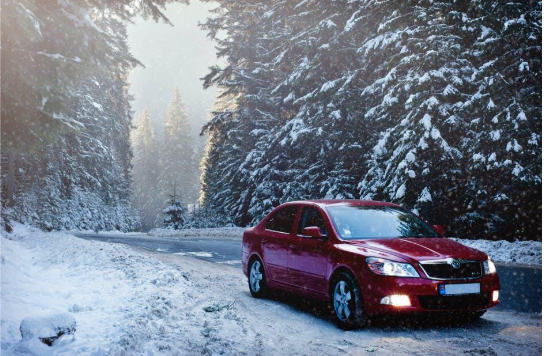
Cold weather is hard on cars. Freezing temperatures drain batteries, thicken fluids and lower tire pressure. Snow and ice make roads slick and visibility poor. A small problem that goes unnoticed in fall can leave you stranded on a frozen roadside in January. The good news is that a few simple checks can prevent most winter breakdowns. Here’s what to inspect before the first big freeze so your car is ready for whatever winter brings.
Test Your Battery
Your battery works harder in winter than at any other time of year. Cold temperatures slow the chemical reaction inside it, which reduces its power. At the same time, your engine needs more power to start.
The National Highway Traffic Safety Administration shares winter driving tips that start with the battery. It notes that cold weather drains battery power and makes engines harder to start. NHTSA suggests having a mechanic check the battery, charging system, and belts before winter.
Watch for warning signs like a slow crank, dim headlights or a battery that’s several years old. A quick test can tell you if it’s time for a replacement before it fails on a cold morning. Also check the terminals for white or green buildup, which can weaken the connection.
Inspect Your Brakes
Stopping on icy roads takes longer, even with good brakes. Worn pads, low fluid or other brake problems can make winter driving much more dangerous.
Pay attention to how your brakes feel and sound. Squealing, grinding or a soft pedal are signs that something needs attention. If your car pulls to one side when you stop, that’s another warning sign.
Have your brakes checked as part of your pre-winter service. If you need fort collins car repair before the snow flies, a trusted local shop can inspect your brake pads, rotors and fluid. Fixing small brake issues now can help you stop safely all winter long.
Check Tire Tread and Pressure
Your tires are the only part of your car that touches the road. In snow and ice, good tread is critical for grip and safe stopping.
In Colorado, tread depth also matters for the law. The Colorado Department of Transportation explains the updated Traction Law requirements. When the law is in effect, tires must have at least 3/16 inch of tread. They must also be winter, all-weather or mud and snow tires. Otherwise, drivers need chains or another approved traction device.
Tire pressure drops as the temperature falls. Check your tires often during winter and fill them to the pressure listed on your driver’s door label, not the number on the tire. Look for cracks, bulges or uneven wear, too. If you drive in the mountains often, dedicated winter tires can give you much better grip.
Change Your Oil and Use the Right Grade
Engine oil keeps moving parts from grinding against each other. In cold weather, oil gets thicker and flows more slowly. That makes your engine work harder, especially right after you start it.
Fueleconomy.gov explains how cold weather affects fuel economy. It notes that cold engine oil adds friction and lowers gas mileage. It recommends using the oil grade your car’s maker suggests for cold weather.
If you’re due for an oil change, get it done before winter. Fresh oil of the right grade protects your engine and helps it start more easily. The same page also suggests driving gently after about 30 seconds instead of idling for a long time.
Top Off Antifreeze
Antifreeze, also called coolant, keeps your engine from freezing in winter and overheating in summer. If the mix is wrong or the level is low, your engine can be damaged.
Check the coolant level when the engine is cold. Look for any leaks under your car or around the radiator. A mechanic can test the mix to make sure it protects your engine in very low temperatures.
Old coolant should be drained and replaced based on your car’s maintenance schedule. Always use the type your owner’s manual recommends. Mixing different types can reduce protection and may harm engine parts.
Replace Wipers and Fill Washer Fluid
Snow, slush and road salt can make it hard to see. Good wipers and plenty of washer fluid are key to safe winter driving.
Replace wiper blades if they streak, skip or leave spots on the glass. Fill your washer tank with a winter fluid that won’t freeze. You can use a lot of fluid in a single storm, so keep an extra jug in your trunk.
Test your front and rear defrosters, too. They help clear fog and ice quickly so you can see the road clearly. Before every drive, clear all snow and ice from your windows, lights and roof.
Check Lights, Belts and Hoses
Winter days are short, and storms can make it hard to see. Make sure all your lights work. Check your headlights, brake lights, turn signals and hazard lights. Clean any foggy headlight lenses for better visibility.
Cold temperatures can also make rubber parts stiff and brittle. Belts and hoses may crack or wear out faster in winter. Look for cracks, fraying or soft spots. A broken belt or burst hose can leave you stranded, so replace worn parts before they fail. Check your heater fan, too, since you’ll need it to stay warm and keep the glass clear.
Pack a Winter Emergency Kit
Even a well-maintained car can get stuck in a storm. An emergency kit helps you stay safe until help arrives. Keep these items in your vehicle all winter:
- Ice scraper and snow brush
- Small snow shovel
- Jumper cables
- Flashlight with extra batteries
- Warm blankets
- Water and snacks
- First aid kit
- Phone charger
Sand or kitty litter can also help with traction if your tires get stuck. Before long trips, check road conditions at COtrip.org or by calling 511.
Conclusion: Drive Into Winter With Confidence
A little preparation now can save you from costly repairs and stressful breakdowns later. Test your battery, check your tires, change your oil and inspect your brakes before freezing weather hits. Top off fluids, check your lights and keep an emergency kit in your car. McCormick Automotive Center has served Fort Collins drivers for over 20 years, and every visit includes a digital safety inspection. Schedule your pre-winter service today and head into the season with peace of mind.