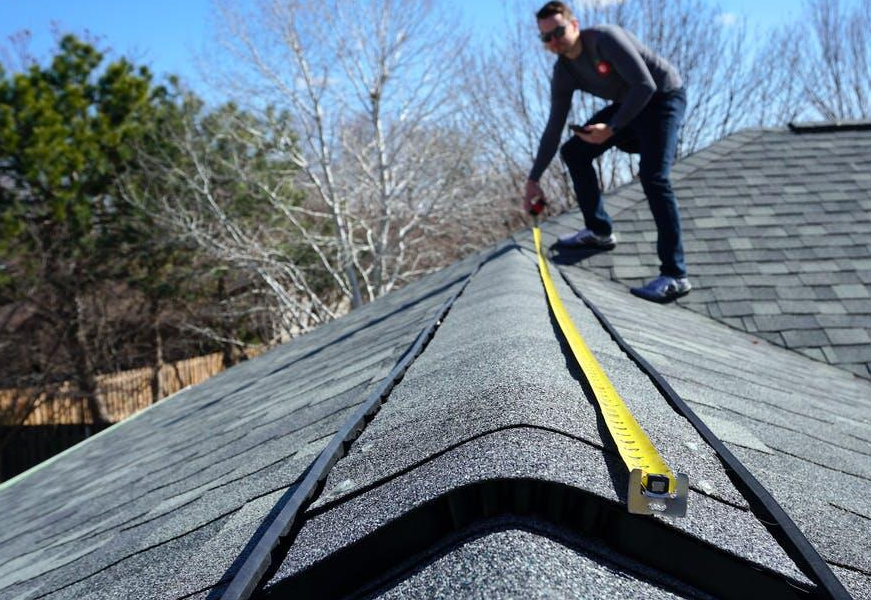
Many homeowners do not think about their roofs very often because the structure is high up and out of sight. However, your roof is the most critical shield your home has against the relentless elements of nature. It actively protects your family from howling winds, heavy rain, thick winter snow, and the scorching summer sun every single day.
Over time, this constant exposure to harsh weather will wear down even the highest quality roofing materials. If you fail to maintain your roof properly, small issues can quickly turn into massive, expensive disasters. Water can leak through the ceilings to ruin your drywall, while dangerous mold can quietly grow in dark attic spaces, and this is why you need a proactive plan to keep your roof in great shape all year long.
This comprehensive guide will show you how to look after your roof during the entire year. We will cover essential safety protocols, simple cleaning routines, and specific warning signs to look for during each season.
When to Call a Professional
Many minor roof maintenance tasks are simple enough for handy homeowners to tackle on their own. You can easily clean first-story gutters, sweep away leaves, and inspect your shingles from the ground using binoculars. However, there are many situations where you should hire a professional roofing contractor.
Roof work is dangerous, and complex repairs require specialized training and tools. If your roof is high, steep, or slippery, you should never attempt to climb it yourself.
Professional roofers have the safety gear, harnesses, and experience to work on difficult roofs without getting hurt. They also know how to locate subtle, hidden damage that an untrained eye might easily miss. They can spot tiny leaks under your shingles or early signs of wood rot before they cause serious issues.
If you need major repairs, such as replacing damaged wood or installing new shingles, hire an expert. Doing this work yourself without proper training can lead to mistakes that cause more leaks and void your warranty. If you live in Kentucky, hiring a trusted residential roofing company in Shepherdsville is a smart way to ensure the job is done right.
A local team understands the area’s weather conditions and building codes. Always choose a company that is licensed, insured, and has positive reviews from your neighbors.
- Hire pros for high roofs.
- Get a yearly roof check.
- Stay safe on the ground.
- Let experts handle deep leaks.
- Verify your contractor has insurance.
Why Regular Roof Care Matters
Taking care of your roof is very similar to performing routine maintenance on your family vehicle. You do not wait for the engine to completely stop working before you decide to change the oil. In the same way, you should not wait for a major water leak to inspect your shingles.
Regular roof care keeps your home dry and saves you a large amount of money over the lifespan of your property. A small crack in a single shingle is cheap and simple to repair. However, if you ignore this minor issue, water will eventually seep into your wooden roof deck and rot the structure.
Replacing a rotted roof deck can cost thousands of dollars and cause immense stress for your family. A healthy roof also plays a vital role in lowering your monthly heating and cooling bills. When your roof is in good shape, it keeps warm air inside during winter and hot air out during summer.
If your roof has physical gaps or poor ventilation, your heating, ventilation, and air conditioning system must work much harder. This increased workload means you will pay significantly more for electricity and natural gas every month. By keeping your roof properly sealed and ventilated, you keep your living space comfortable while keeping your utility bills low.
Additionally, a clean roof greatly improves your home’s overall curb appeal and resale value. Black algae streaks, thick green moss, and piles of dead leaves make an otherwise beautiful home look neglected.
If you ever decide to sell your house, a clean and sturdy roof will immediately impress potential buyers. They will know that you took excellent care of the property, which can help you sell the home faster and for a much higher price.
How to Stay Safe on the Job
Before you begin any hands-on roof maintenance, you must prioritize your personal safety above everything else. Falling from a roof or a tall ladder can lead to severe, life-altering injuries. You should never take dangerous shortcuts when working at heights on your property.
If you feel uncomfortable with heights or lack the proper equipment, it is always best to stay safely on the ground. Always check your local weather forecast before planning any outdoor maintenance tasks. You should only work on a dry, calm, and completely clear day to minimize your physical risks.
Never climb onto a roof if it has recently rained because wet shingles are incredibly slippery. High winds can also knock you off balance easily while you are standing on a ladder. Even light morning dew can make shingles slick, so wait until the warm sun dries the surface completely.
Learn how to use your extension ladder correctly to avoid serious falls. Place the base of your ladder on flat, solid ground rather than loose soil. For every four feet of vertical height, place the base of the ladder one foot away from the wall. The top of the ladder should extend at least three feet past your roof’s edge, and this extension gives you a secure handhold when stepping on and off the roof.
If you are working near overhead power lines, use a fiberglass ladder to avoid electric shock. Make sure you wear the proper clothing and protective gear for the job. Wear shoes with soft rubber soles because they provide the best traction on angled shingle surfaces.
Avoid wearing loose clothing that could easily catch on shingles, nails, or tree branches. If your roof has a steep pitch, you should always wear a safety harness for security. Never work on your roof alone; always have a helper on the ground to support the ladder.
- Wear shoes with a good grip.
- Always secure your extension ladder.
- Never work in wet weather.
- Keep away from power lines.
- Work with a trusted partner.
Spring: Checking for Winter Damage
Spring is the perfect season to evaluate how your home survived the harsh winter weather. Heavy snow, freezing ice, and cold winds can cause significant damage to your shingles. When water freezes and melts repeatedly, it can loosen roofing nails and crack your waterproof seals.
You want to locate and repair these issues in the spring before heavy summer rainstorms arrive. Start your spring routine by looking for any debris that accumulated during winter storms. You might find fallen tree branches, twigs, and thick piles of dead leaves resting on your shingles; this organic debris traps moisture against the roof, which causes the shingles to rot prematurely.
Use a soft-bristled broom to sweep this debris off the roof very gently. Be careful not to scrape off the protective mineral granules that shield your shingles from ultraviolet rays. Turn your attention to cleaning and inspecting your gutter system.
Gutters play a crucial role because they carry rainwater safely away from your home’s foundation. During the winter, they often get filled with dirt, leaves, and dislodged shingle grit. Use a small plastic scoop to clean out this debris, then flush the gutters with a garden hose.
You should also check the metal flashing around chimneys, vents, and skylights to prevent leaks. Flashing is designed to keep water from leaking into the joint areas of your roof. Look closely to see if any metal pieces are bent, rusted, or loose.
If the sealant around the flashing is cracked, apply fresh roofing caulk to restore the waterproof barrier.
- Clean leaves fromyour gutters.
- Look for damaged roof shingles.
- Check metal flashing for cracks.
- Inspect the chimney very closely.
- Remove fallen tree branch debris.
Summer: Fighting Heat and Sun
Summer brings long, sunny days, but the intense heat can be very damaging to your roof. Ultraviolet rays from the sun can dry out shingles, causing them to warp, crack, or peel over time. In hot weather, the surface of your roof can get much hotter than the air temperature, which can cause severe damage if the roof is not prepared.
Summer is also the peak season for moss and algae to grow on your shingles. This growth is especially common on sections of the roof that receive shade from mature trees. Algae leaves ugly black streaks on your shingles, but moss is far more damaging because it acts like a sponge.
Moss holds water against your roof, which can cause the underlying wood to rot. You can clean moss off with a gentle wash, but never use a pressure washer because it will ruin your shingles.
- Clear out blocked soffit vents.
- Wash away dark moss growth.
- Check for curling roof shingles.
- Inspect the attic ventilation system.
- Keep an eye on seals.
Fall: Preparing for the Cold
Autumn is a beautiful time of year, but it is also a busy season for home maintenance. When the leaves start to change color and drop, they can create major hazards for your roof. You must prepare your roof during the fall so it can handle the upcoming winter weather.
You must clean your gutters once more before the freezing winter temperatures arrive. Even if you cleaned them during the spring, falling autumn leaves will quickly fill them up again. If your gutters are clogged when winter comes, water will freeze inside them and create heavy ice blocks; this heavy ice can damage your gutters or tear them completely off your house.
Installing gutter guards can help keep leaves out, but you should still check them regularly.
- Trim tree branches back fully.
- Clean your gutters once more.
- Check downspouts for water flow.
- Remove all damp autumn leaves.
- Install some strong gutter guards.
Winter: Dealing with Snow and Ice
Winter is undoubtedly the hardest season is undoubtedly the hardest season for your roof to endure. The combination of freezing temperatures, heavy snow loads, and ice can strain your entire roofing structure. You must monitor your roof closely during the winter months to prevent serious water damage inside your living spaces.
The greatest threat during the winter is a problem known as an ice dam. Ice dams form when heat escapes from your home into the attic, warming the roof surface and melting the snow. This melted snow runs down the roof until it reaches the cold outer edge, where it refreezes; this process creates a thick barrier of ice that traps subsequent runoff water behind it.
The trapped water can easily seep under your shingles and leak directly into your walls and ceilings. If your area experiences very heavy snowfall, you may need to remove snow from your roof edges. You can use a long-handled roof rake to pull snow down while standing safely on the ground.
Only clear the snow from the outer edges of your roof where ice dams form. Never climb onto a snowy or icy roof because the risk of falling is extremely high.
- Rake heavy snow off edges.
- Prevent ice dams from forming.
- Watch for attic condensation issues.
- Keep all roof vents open.
- Remove large hanging winter icicles.
Protecting Your Home for Years to Come
Your roof is the most important shield your home has against the changing seasons. By taking a little time to care for it during every season, you can protect your family and your savings. Clean gutters, trim trees, and watch for winter ice to extend your roof’s life.
Always put safety first and call a professional when a job is too big or dangerous. With these simple tips, you can keep your home safe and dry for many years to come.
A proactive approach to roof maintenance not only enhances your home’s safety and energy efficiency but also preserves its value for years to come. With regular care and attention, your roof can continue to provide reliable protection through every season.
Looking for more tips and ideas? We’ve got you covered. Check out some of our other posts now.