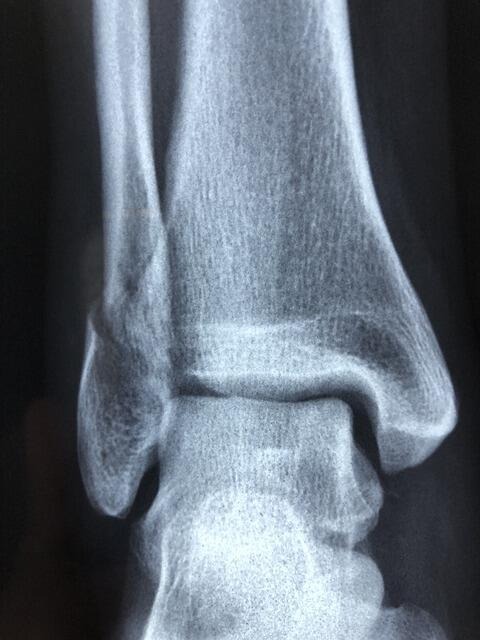
Medical imaging is moving out of hospital basements. Portable scanners now bring high-quality imaging to patient rooms. This changes how clinics handle daily scans. Patients no longer walk far or face stressful moves. Technicians bring tools to the bedside. This improves comfort and speeds up care. On-site imaging reduces stress for both patients and staff.
Shifting Away From The Traditional Imaging Room
Hospitals usually make patients go to a central imaging area for scans. Moving fragile patients through long, busy hallways can be risky. Staff have to leave their posts to take them there. This old system slows things down and creates delays in daily hospital work.
This shift changes patient care. If you want to learn about the latest technology, click for information online to see how imaging systems operate. Modern systems bring the technology straight to the bedside. Doctors get fast access to clear data without waiting for patients to be moved around.
Portable units remove the need for patient transport entirely within large medical centers. This setup keeps individuals safe and comfortable in their own hospital beds. Medical teams save hours by avoiding unnecessary movement throughout the crowded facility. Safe diagnostic practices protect both the patient and the provider during every scan.
Meeting The Demand For Convenient Medical Solutions
Medical care centers focus heavily on patient convenience during daily operations. People want accurate diagnostics without dealing with extra travel or long waiting room delays. Forward-thinking facilities that offer flexible options attract more individuals seeking quality care. Providing medical care at the exact point of need satisfies patient expectations perfectly.
Industry data shows this trend clearly across healthcare. A report said mobile imaging is growing because people want care that is cheaper and easier to get. Saving money is important for hospitals with tight budgets. Limited funds push administrators to make smarter financial decisions.
Decreasing travel needs cuts operational costs for hospitals of all sizes. It streamlines everyday medical tasks for the scanning staff on duty. Managers can allocate valuable human resources to other critical clinical departments. System efficiency improves when diagnostic tools match the workflow of the staff perfectly.
Massive Expansion In The Global Imaging Market
The financial backing behind mobile technology expands rapidly around the world. Smart investors see major value in flexible imaging tools for diverse environments. Healthcare systems globally adopt these systems to improve standard clinical operations. Ongoing capital investments help manufacturers create better hardware for small clinics.
Clear numbers show movement upward across the entire modern healthcare sector. A Fortune study said the global mobile imaging market was worth $2.03 billion in 2025. The field expects growth from $2.13 billion in 2026 to $3.26 billion by 2034. These statistics demonstrate a strong long-term market presence.
This development represents a steady annual compound growth rate of 5.45%. Higher adoption rates mean more facilities invest in portable machinery this year. The transition speeds up every year as digital technology becomes more affordable. Software upgrades make these purchases highly attractive for regional healthcare networks.
The Rise Of Portable X-Ray Devices
Certain diagnostic tools lead the charge in widespread mobile adoption. Portable X-ray units represent the most common mobile devices in use today. Healthcare providers select these tools for their unmatched structural versatility. Portable configurations allow rapid deployment across multiple specialized hospital wards.
A study by Persistence Market Research indicated that mobile X-ray systems will account for 72.6% of global revenue in 2026. This high percentage makes them the top adopted product category worldwide. Manufacturers continue to improve these specific models to capture market share. Higher demand drives technological innovations forward at a rapid pace.
Doctors get fast results right inside the patient’s room within minutes. Treatment plans begin much faster since long waiting times disappear entirely. Fast answers prevent conditions from worsening unexpectedly during the recovery period.
Improving Diagnostics In Rural Communities
Rural areas face significant shortages of fixed imaging equipment inside clinics. Driving hours for a simple scan delay critical patient care significantly. High costs mean local clinics struggle to fund large permanent imaging suites. Small medical centers need affordable alternatives to serve regional residents well.
Mobile units drive directly to small-town clinics to offer immediate assistance. This deployment bridges the geographical gap for isolated populations facing health challenges. Regular visits mean people maintain their health schedules without missing appointments. Preventive care becomes much easier to manage for busy working families.
People receive high-quality scans without leaving their local neighborhoods. Medical equality increases when technology travels directly to the patient in need. Regional hospitals receive less crowded waiting rooms during peak hours. Distant facilities benefit from reduced patient loads and fewer scheduling conflicts.
Streamlining Workflow Inside Busy Emergency Rooms
Emergency rooms depend on fast decisions to provide the best possible care. Moving patients to another department for imaging can waste valuable time, especially during critical situations. Portable imaging equipment helps medical teams diagnose injuries more quickly while allowing patients to remain in the treatment area. A typical workflow includes:
- Scan patients immediately.
- Review images digitally.
- Make faster decisions.
- Reduce patient movement.
Keeping imaging close to the patient helps doctors and nurses work more efficiently, shortens waiting times, improves patient care, and allows emergency departments to handle busy periods with greater confidence and better overall coordination.
Overcoming Technical Challenges In Portable Imaging
Early mobile machines suffered from low image resolution and slow processing. Modern digital upgrades fixed those old issues completely. Current devices deliver crystal-clear pictures for accurate evaluation. Better resolution helps doctors detect hidden issues easily without second-guessing.
Secure wireless networks send data straight to radiologists for review. Distance no longer slows down image interpretation or report generation. Specialists review cases from any location with an internet connection. Rapid transmission means immediate consultation is possible for urgent patient cases.
Cloud platforms hold medical data securely for physicians to access. Providers access files from any authorized computer in the network. This connectivity improves clinical collaboration among different medical specialists. Safe storage maintains patient privacy according to strict federal regulations.
Learn More About Mobile Radiology
Diagnostic imaging continues moving outside traditional hospital walls rapidly. Portable machinery creates better experiences for patients everywhere in the healthcare system. Technology simplifies complex medical steps for busy providers. Safe systems protect vulnerable individuals during treatment procedures.
Adapting to mobile systems prepares facilities for the future of medicine. Staying ahead means adopting tools that move with the patient. Advancements change medical care for everyone permanently.
If you’d like to learn more, check out more articles on our blog.