Have you ever wondered what you would do if someone suddenly stopped breathing near you? Many people feel scared during emergencies because they do not know how to help.
The truth is that simple life support skills can save lives in the first few minutes. Learning these skills helps people stay calm and take action instead of feeling helpless.
This article shows how essential life support training prepares you for emergencies and why BLS certification can help you respond with confidence.
Why Life Support Training Matters
Medical emergencies can happen anywhere and at any time. A person may collapse at home, at work, or in a busy public place. When someone nearby knows basic life support, help can begin right away.
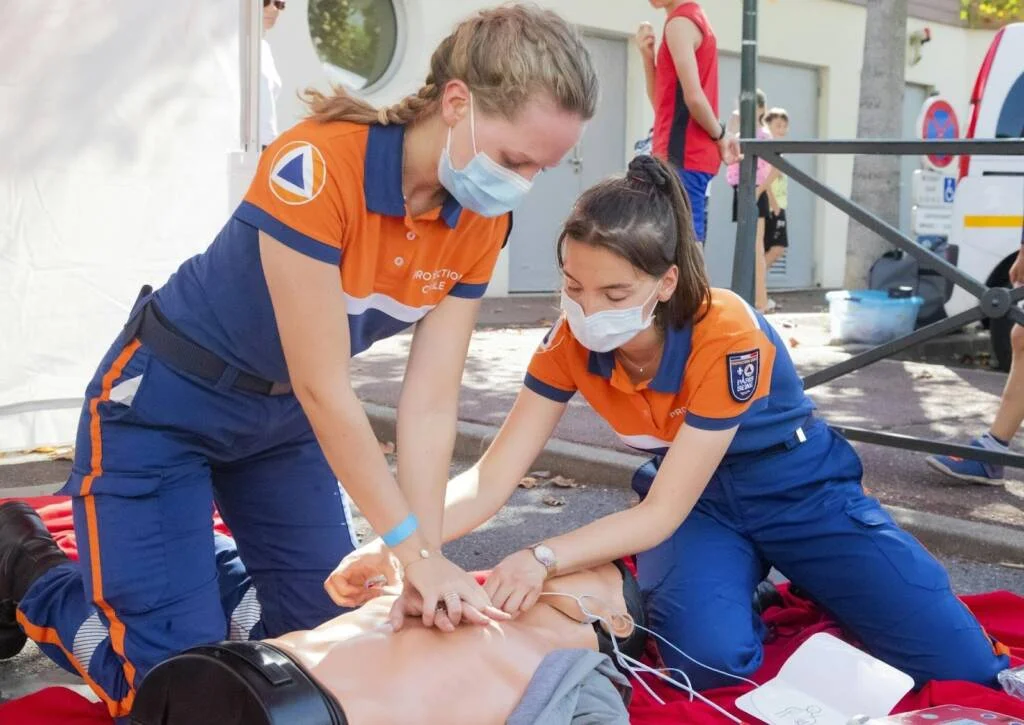
Life support training teaches simple steps that keep a person alive until medical teams arrive. These steps include chest compressions, rescue breathing, and using a defibrillator. Each action helps keep blood and oxygen moving through the body.
Confidence During Medical Emergencies
Many people fear helping during emergencies because they worry about doing something wrong. Training helps remove this fear by giving clear steps to follow. When people know the process, they feel more ready to act.
Courses that offer BLS certification teach these skills in a simple and practical way. Students practice with training tools and guided instruction. This practice helps them remember what to do during real emergencies.
Faster Response Saves Lives
The first few minutes of a medical emergency are often the most critical. Quick action can prevent further injury or even death. When trained people respond right away, survival chances increase.
Life support training teaches people how to assess a situation and begin care quickly. Knowing how to start chest compressions or call for help makes a real difference. Fast action can keep a person stable until emergency services arrive.
Safer Workplaces And Communities
Life support training is useful in many places, not just hospitals. Offices, schools, gyms, and public spaces all benefit from trained people. Having someone prepared nearby can help during sudden medical events.
Employers often encourage staff to learn these skills for safety reasons. When several people know life support basics, response time becomes faster. A quick reaction can make a big difference during the first few minutes.
Preparing For Future Emergencies
Emergency readiness is more than having a plan. It also means having the skills to help someone in danger. Life support training prepares people to act with confidence and care.
Practice helps keep these skills fresh over time. Many people review their training so they stay ready to respond. Being prepared means you can help protect lives when it matters most.
Confidence Care And Readiness For Every Emergency
Learning life saving skills helps people feel more confident in daily life. It also builds stronger communities because more people are ready to help others. These skills give families comfort because someone nearby can respond during a crisis.
Preparedness means being ready to help when a life is at risk. Simple training can give ordinary people the power to protect others.
Did you like this guide? Great! Please browse our website for more.