Have you ever wondered how you would keep your home running during a blackout? Planning ahead can save you money and stress in the long run. A good backup power system can also protect your daily routine.
It ensures that your home stays functional even during emergencies. Power outages can happen at any time, and they often come without warning.
This guide will help you understand your options in simple terms. Take action today and explore the best solution for your home so you can stay safe and comfortable.
Why Backup Power Matters
Backup power keeps your home working during outages. It helps you avoid stress and discomfort. You can continue daily tasks without interruption. It also protects appliances and food from damage.
Reliable power keeps your family safe during emergencies. It also supports communication devices like phones and internet routers. It ensures lighting at night when power is lost. It also keeps security systems active.
Backup power is not only for comfort but also for safety. It ensures that essential systems like alarms and medical devices keep running. Homes in areas with frequent outages benefit the most.
Even short outages can cause big problems if you are not prepared. Planning ahead gives peace of mind. It also helps reduce unexpected costs.
Common Causes of Power Outages
Storms are a major cause of outages. Equipment failure can also lead to power loss. Sometimes, accidents damage power lines. High electricity demand may also overload the system. Trees falling on lines can disrupt service. Scheduled maintenance can also cause temporary outages. Flooding can damage electrical systems. Extreme heat can strain power grids.
Understanding the cause of outages helps you prepare better. Weather-related outages may last longer than expected. Urban areas may face outages due to heavy demand. Rural areas may experience longer repair times. Knowing local risks helps in planning. It also helps you choose the right backup system.
Types of Backup Power Systems
There are several backup power options for homes. These include generators, battery systems, and solar setups. Each type works in a different way. Choosing the right one depends on your needs.
Some systems provide full-home coverage, while others support only key appliances. It is important to compare features before deciding. Each system has its own advantages and limits. Understanding these helps in making a better choice.
Different systems also vary in cost and maintenance. Some require fuel, while others rely on stored energy. Understanding these differences helps you make a smart choice. Always consider long-term benefits when selecting a system. Think about your future energy needs. This will help you avoid upgrading too soon.
Portable Generators
Portable generators are small and easy to move. They run on fuel like gasoline or diesel. These generators are useful for short outages. They can power basic appliances. They are often more affordable than other systems. Many homeowners use them as a quick backup solution. They are easy to store when not in use. They are also widely available in stores.
However, portable generators need manual setup. You must start them during an outage. They also require proper storage and fuel management. Despite this, they remain a popular choice for many households. They are ideal for temporary use. They are also useful for outdoor activities.
Standby Generators
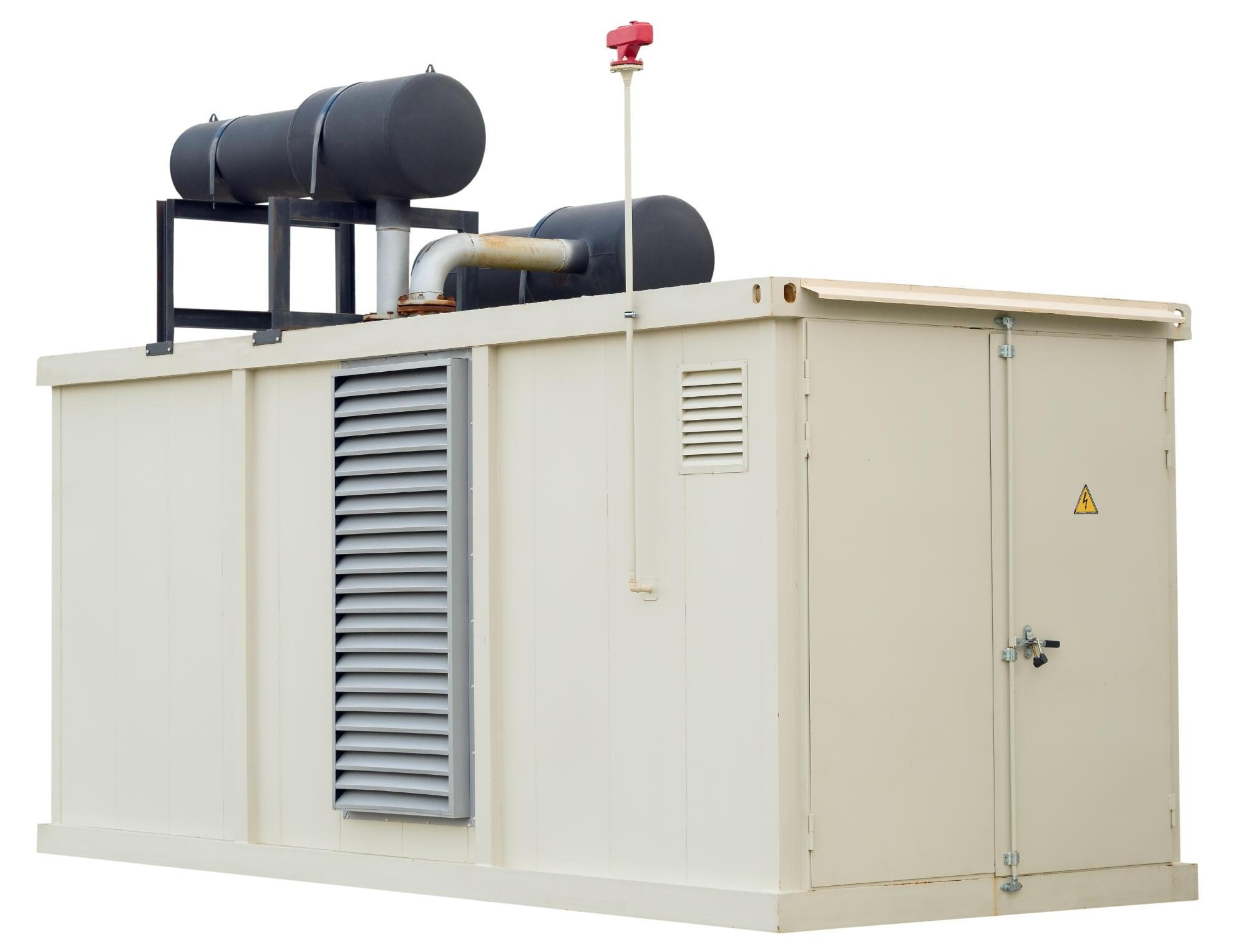
Standby generators are fixed systems installed outside the home. They turn on automatically during a power outage. These systems can power the entire house. Many homeowners choose them for convenience. They connect directly to your electrical system. This allows seamless operation during outages. They provide reliable and continuous power. They are designed for long-term use.
Standby generators require professional installation. They also need regular maintenance to stay reliable. Although they cost more, they offer peace of mind. They are ideal for homes with high power needs. They increase property value. They also provide long-term reliability.
Inverter Generators
Inverter generators are quieter than traditional generators. They produce stable electricity for sensitive devices. These units are fuel efficient. They are great for powering electronics. They are also lighter and easier to carry. Many models include modern features like USB ports. They are ideal for small households. They are also easy to operate.
These generators are ideal for small power needs. They work well for laptops, phones, and small appliances. Their quiet operation makes them suitable for residential areas. They are a good balance of performance and convenience. They consume less fuel. They are also more eco-friendly than standard generators.
Solar Power Backup Systems
Solar systems use sunlight to generate electricity. They often include battery storage. This allows power use even at night. Solar backup is eco-friendly and sustainable. It reduces dependence on traditional energy sources. Many systems can lower your electricity bills. They use renewable energy. They also reduce carbon footprint.
Solar systems require proper setup and planning. They work best in areas with good sunlight. Over time, they can provide significant savings. They are a smart long-term investment for homeowners. Government incentives may also be available. This can reduce initial costs.
Battery Backup Systems
Battery systems store electricity for later use. They charge from the grid or solar panels. These systems are quiet and clean. They are ideal for short outages. They require little maintenance compared to generators. They are easy to use and manage. They are safe for indoor use. They provide instant power.
Battery systems can be installed indoors or outdoors. They are safe when used properly. Many systems allow monitoring through apps. They provide a modern and efficient backup solution. They are compact and space-saving. They also have a long lifespan.
Uninterruptible Power Supply (UPS)
A UPS provides instant power during outages. It is commonly used for computers. It protects devices from sudden shutdowns. However, it only lasts for a short time. It is best for small electronics. It helps prevent data loss. It ensures the safe shutdown of devices. It is widely used in offices.
UPS systems are simple to install and use. They are often used in homes and offices. They act as a bridge until another power source starts. They are essential for protecting sensitive equipment. They are compact and affordable. They are easy to maintain.
Fuel Options for Generators
Generators can run on different fuels. Gasoline is common but not always available. Diesel lasts longer and is more stable. Propane and natural gas are cleaner options. Each fuel type has its own benefits. Availability may affect your choice. The cost of fuel is also important. Storage requirements vary by fuel type.
Fuel storage is also important to consider. Some fuels have longer shelf life than others. Safety should always come first when handling fuel. Choose a fuel type that suits your needs and location. Always store fuel properly. This helps prevent accidents.
Choosing the Right Size System
You need to know how much power your home uses. List the appliances you want to run. Add up their wattage requirements. This helps you choose the right system size. Oversized systems may cost more than needed. Undersized systems may not meet your needs. Accurate calculation is important. It ensures proper performance.
It is helpful to consult an expert for accurate estimates. They can guide you in selecting the right capacity. Proper sizing ensures efficiency and reliability. It also helps avoid unnecessary expenses. It improves system lifespan. It ensures consistent power supply.
Installation Considerations
Proper installation is very important. Some systems need professional setup. Placement should follow safety rules. This ensures safe and efficient operation. Ventilation is important for fuel-based systems. Electrical connections must meet standards. Local regulations must be followed. Proper setup improves performance.
Installing a system correctly reduces risks. It also improves performance and lifespan. Always follow manufacturer guidelines. Professional help is often recommended for complex systems. It ensures compliance with safety codes. It also reduces future problems.
Cost of Backup Power Systems
Costs vary depending on the system type. Portable generators are more affordable. Standby systems cost more but offer better coverage. Installation adds to the total cost. Maintenance costs should also be considered. Long-term savings may offset initial expenses. Budget planning is essential. It helps avoid overspending.
Compare different options before making a decision. Consider both short-term and long-term costs. Investing in quality systems can save money later. Always check warranties and support. Financing options may be available. This can make systems more affordable.
Maintenance Requirements
Backup systems need regular maintenance. Generators require fuel checks and oil changes. Batteries should be tested often. Proper care ensures long life. Cleaning and inspections are also important. Maintenance schedules vary by system type. Regular servicing improves performance. It reduces breakdown risks.
Neglecting maintenance can lead to failure during outages. Always follow recommended service intervals. Keeping your system in good condition ensures reliability. It also helps avoid costly repairs. Maintenance records are useful. They help track system health.
Safety Tips
Always follow safety guidelines when using backup power. Keep generators outside to avoid fumes. Use proper wiring and connections. Never overload your system. Install carbon monoxide detectors for added safety. Keep fuel stored in safe containers. Avoid using damaged equipment. Always supervise usage.
Safety should always be a top priority. Read and follow all instructions carefully. Improper use can lead to serious risks. Taking precautions helps protect your home and family. Regular safety checks are important. They help prevent accidents.
Noise Levels
Some backup systems can be noisy. Portable generators are usually louder. Inverter generators are quieter. Battery systems are almost silent. Noise levels can affect your comfort. It may also impact your neighbors. Check noise ratings before buying. Consider noise-reduction options.
Choosing a quieter system can improve your experience. Consider placement to reduce noise impact. Some models include noise-reduction features. Always check noise ratings before buying. Sound barriers can help reduce noise. Proper placement improves comfort.
Environmental Impact
Different systems have different effects on the environment. Solar and battery systems are cleaner. Fuel-based generators produce emissions. Choosing eco-friendly options helps reduce pollution. Sustainable systems support a greener future. They also reduce reliance on fossil fuels. Lower emissions benefit health. Clean energy is becoming more popular.
Environmental impact is an important factor today. Many homeowners prefer clean energy solutions. Reducing emissions benefits both your home and the planet. It is a responsible choice for long-term use. Government policies may support green energy. This encourages sustainable choices.
Smart Features and Automation
Modern systems come with smart features. Some can be controlled using mobile apps. Automatic switching is very convenient. These features make backup power easier to manage. Monitoring systems help track energy use. Alerts can notify you of issues. Remote access adds convenience. Data tracking improves efficiency.
Smart technology improves efficiency and control. It allows better energy management. Many systems integrate with home automation. This adds convenience and peace of mind. It helps detect problems early. It improves overall system performance.
When to Upgrade Your System
You may need to upgrade as your needs grow. Adding more appliances increases power demand. Old systems may become less efficient. Upgrading ensures reliable performance. New technologies offer better features. Improved efficiency can reduce costs. Regular checks help identify upgrade needs. Modern systems are more advanced.
Regular evaluation helps you stay prepared. Consider upgrades when performance declines. Modern systems are often more reliable. Investing in upgrades keeps your home protected. It improves energy efficiency. It ensures long-term reliability.
Professional Help and Services
Working with professionals ensures proper setup. Experts can guide you in choosing the right system. They can also handle maintenance and repairs. Professional advice helps avoid costly mistakes. Skilled technicians ensure safe installation. They provide accurate assessments. They ensure system efficiency.
Consider services like whole-home generator installation to get a complete and reliable solution. Experts can assess your home’s needs accurately. They also provide ongoing support and service. This ensures your backup system works when you need it most. Professional help saves time and effort. It ensures long-term reliability.
Learn All About Backup Power Options
Backup power is an important part of every home. It provides comfort, safety, and peace of mind during outages. There are many options available, from simple generators to advanced solar systems.
Each has its own benefits and costs. By understanding your needs and planning ahead, you can choose the best backup power solution for your home.
Did you enjoy reading this article? If so, then be sure to check out the rest of our blog for more!