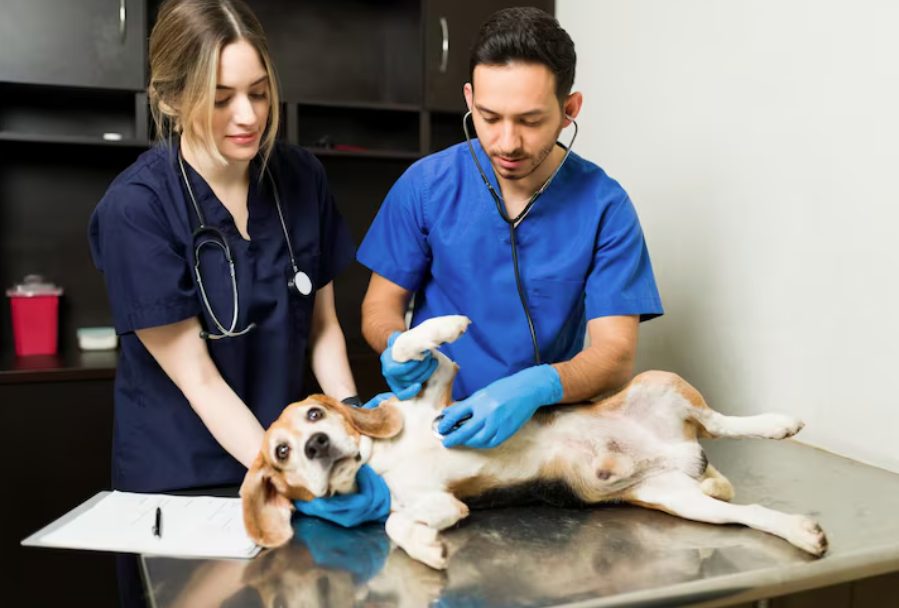
You might be staring at your pet right now, heart pounding a little too fast, wondering if this is “bad enough” for an emergency vet visit, or if you should be rushing to a San Diego emergency vet, and what on earth you should grab on your way out the door. It often starts with something small. A limp that suddenly gets worse, strange breathing, vomiting that will not stop, or a collapse that seems to come out of nowhere. One moment life is normal. The next, you are trying to think clearly while your mind is racing.end
If that is where you are, your worry makes sense. You are afraid of losing time, afraid of forgetting something important, and afraid of being judged if you show up unprepared. You care deeply about your animal, and you want the emergency team to help as fast as possible.
The good news is that a little preparation, even done at the last minute, can help the emergency vet move more quickly. This guide walks you through six simple things to bring so your pet can be triaged and treated faster. You will see what matters most, what can wait, and how to think clearly when your emotions are anything but calm.
Why does preparing for an emergency vet visit feel so overwhelming?
Part of the stress is that emergencies do not give you time to plan. You are trying to comfort your pet, call the clinic, maybe arrange childcare or time off work, and on top of that, you are supposed to remember medical records, medications, and payment details.
Because of this tension, you might find yourself doing one of two things. Either you throw everything in a bag and hope for the best, or you rush out with nothing and regret it in the waiting room. Both reactions are human. Neither makes you a bad caregiver. They simply show how hard it is to think clearly when you are scared.
There is also a financial and emotional layer. Emergency care can be expensive. You may worry that not having documents or details will slow things down and increase costs. Emotionally, you might fear hearing bad news, so your brain starts to shut down and you forget even simple things like your pet’s medication names.
So where does that leave you when you are about to head to the emergency vet and the clock is ticking?
What should you bring to the emergency vet for faster, safer care?
Think of these six items as a small emergency toolkit you can grab quickly. If you do not have everything, bring what you can. Every bit of information helps your emergency vet team act faster and more safely.
- Recent medical records and vaccination history
If you have printed records from your regular veterinarian, put them in a folder now and keep them in a place you can reach easily. If not, take clear photos of recent visit summaries on your phone. The team needs to know about chronic illnesses, recent bloodwork, imaging, and any ongoing treatments. Vaccination history, especially rabies, also matters for safety regulations and treatment decisions.
In an emergency, your regular clinic might be closed. Having even a few key records on your phone can speed up decisions and reduce duplicate tests.
- A current medication list and any supplements
Bring a written list or take a photo of each bottle. Include the name, strength, and how often your pet takes it. Do not forget over the counter products, flea and tick preventives, heartworm medication, and “natural” supplements.
Emergency veterinarians need this information before they give new drugs. Some combinations can be risky. Having an accurate list helps avoid drug interactions and dosing errors. If you are unsure about names, throw the actual bottles into a bag and bring them.
- A short timeline of what happened and key symptoms
When you arrive, you will be asked, “When did this start?” and “What have you noticed?” In the moment, it is easy to say “just today” or “I am not sure,” even when there is more detail.
On your way to the emergency vet clinic, use your phone’s notes app to jot down a simple timeline. For example, “3 pm: started vomiting. 4 pm: vomited again, some blood. 5 pm: weak, not standing. 5:30 pm: left for clinic.” Include anything your pet may have eaten, medications given at home, or exposure to toxins like chocolate, xylitol, or rat poison.
These details can completely change how the team triages your pet and what tests they run first.
- A recent photo and a description of your pet’s normal behavior
It might sound small, yet a recent photo helps confirm identity, especially in a crowded waiting room or if multiple animals come in together. More important is your description of what “normal” looks like for your pet.
Is your dog usually very active, or more laid back? Does your cat normally hide, or are they always social? Tell the staff how today is different. Emergency teams are experts, but you are the expert on your animal’s baseline. That contrast helps them judge how serious the change might be.
- A basic pet emergency kit and comfort items
If you have a simple pet emergency kit, bring it. If you do not, consider building one when things are calm. Reputable veterinary schools offer good checklists, like this guide to assembling an emergency kit for your pets. Even if you never use it at home, having it near the door means you can grab essentials quickly.
For today, think simple. A leash, a carrier that closes securely, a towel or small blanket, waste bags, and any muzzle your dog is already trained to wear. A familiar blanket or toy can also help your pet feel safer in a strange environment.
- Identification and payment information
In the rush, it is easy to forget your own wallet. You will need photo ID and payment options. Many emergency hospitals also offer third party financing, which may require a credit check on site. Having everything with you means paperwork can be started while the medical team works on your pet.
If your pet has insurance, bring your policy number or have the app ready on your phone. Take photos of any membership cards so you are not hunting for them at the front desk.
How do these items actually change your pet’s care?
You might wonder if grabbing all this is really worth the trouble. The answer is that each piece shortens decision time. When the team does not have to guess, they can act faster. That can mean earlier pain control, quicker diagnostics, and fewer surprises.
The table below compares arriving with almost nothing to arriving with a simple “go bag” that contains the six items above.
| WHAT YOU BRING TO THE EMERGENCY VET | WHAT OFTEN HAPPENS | IMPACT ON CARE SPEED |
| Just your pet, no records, no list | Staff call your regular vet, repeat history questions, may repeat tests to be safe | Longer check in time and slower treatment decisions |
| Records, medication list, short symptom timeline | Team reviews information quickly, focuses on likely causes, avoids duplicate work | Faster triage and more targeted testing |
| Secure carrier, leash, comfort item | Pet is safer to handle, less stressed, easier to examine | Quicker physical exam and safer handling for everyone |
| ID, payment method, insurance details | Registration and consent forms processed while medical care starts | Fewer administrative delays to treatment |
Emergency medicine will always involve unknowns, yet preparation helps turn chaos into something more manageable. It gives the team a clearer picture and buys back minutes that might matter.
What can you do right now to be more prepared for an emergency vet visit?
You may not be in crisis at this exact moment. Or you may be reading this in the car on the way to the hospital. Either way, there are a few practical steps you can take immediately that support faster care.
- Make a “grab file” for your pet and store it by the door
Create a simple folder or large envelope with printed records from your veterinary clinic. Include the most recent exam, bloodwork, imaging reports, and vaccine certificates. Add a written medication list and your pet insurance details if you have them.
Keep this folder in the same place as your pet’s carrier or leash. When an emergency happens, you do not have to think. You just pick it up.
- Save key emergency information on your phone
Take clear photos of records, medication labels, and your pet’s microchip number. Store them in an album labeled “Pet Emergency.” Add contacts for nearby emergency hospitals and poison control. Veterinary schools often share good preparedness tips. For example, Texas A&M offers guidance on how to be prepared for pet emergencies.
Having this information on your phone means you are still prepared even if you cannot reach your paper folder.
- Decide how you will transport your pet safely
Check your carrier now. Make sure the latches work and the door closes securely. For larger dogs, keep a sturdy leash by the door. If your pet becomes painful or frightened, safe handling protects both them and the staff.
If you ever need to improvise, a large towel can work as a makeshift stretcher for small or medium animals. Practice gently lifting your pet when they are healthy so you know what feels stable and safe.
Moving forward with a little more calm and a lot more clarity
Facing a sudden trip to the 24 hour emergency vet is never easy. You might still feel a knot in your stomach, and that is understandable. You care deeply, and you are being asked to make quick decisions under stress.
By focusing on these six things to bring, you give your pet’s medical team a head start. Records, medication information, a simple symptom timeline, safe transport, and your own identification all work together to reduce delays and confusion. They turn “I do not know” into “Here is what we are dealing with,” which is exactly what emergency veterinarians need.
If you are heading out the door right now, take a breath. Grab what you can from the list. Your effort, even if it feels messy or incomplete, matters. If you are reading this in a quieter moment, consider building a small emergency kit and grab file now, so the next time you rush to an emergency vet, you arrive with a little more control and your pet gets faster, safer care.