Want to keep your home safe with a strong, long-lasting roof? You’re in the right place! Your roof helps protect your family and everything inside your home.
But over time, rain, wind, heat, and everyday wear can cause damage. The good news is that taking care of your roof doesn’t have to be hard. In this guide, you’ll find simple maintenance tips and trusted roofing solutions to help your roof last longer.
Let’s get started and help your roof stay strong for years to come!
Understanding Your Roofing Needs
Before diving into the various solutions, it’s essential to assess your specific needs. Consider factors like your local climate, the architectural style of your home, and your budget.
Different roofing materials offer various benefits, from energy efficiency to aesthetic appeal. For example, metal roofs are often praised for their longevity and ability to withstand severe weather, while asphalt shingles are popular for their affordability and ease of installation.
1. Asphalt Shingles
Asphalt shingles remain one of the most widely used roofing solutions. They are available in a variety of colors and styles, making them versatile for any home design.
With a lifespan of 15 to 30 years and a relatively low upfront cost, they are an attractive option for many homeowners. Additionally, asphalt shingles are relatively easy to install and maintain, further enhancing their appeal.
2. Metal Roofing
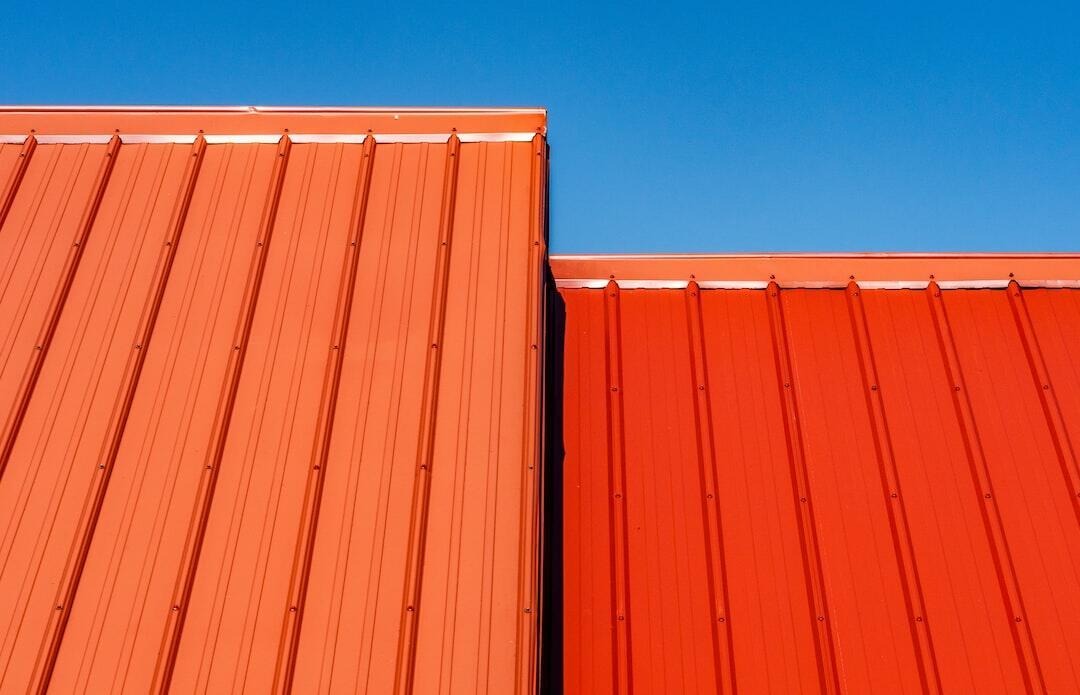
Metal roofs are known for their durability and longevity. Available in various materials, including steel, aluminum, and copper, metal roofs can last 40 to 70 years when properly maintained.
They are resistant to extreme weather conditions, including high winds and heavy snowfall. Furthermore, metal roofing is a sustainable option as it is often made from recycled materials and is fully recyclable at the end of its life cycle.
3. Tile Roofing
Tile roofing offers a unique aesthetic appeal and exceptional longevity, often lasting over 50 years. Clay and concrete tiles are popular choices due to their reliability and resistance to fire and rot. While the initial installation cost can be higher than asphalt shingles or metal roofs, homeowners find that the long-term benefits, such as reduced maintenance and replacement costs, make tile roofs a wise investment.
4. Slate Roofing
Slate roofing is revered for its timeless beauty and unmatched durability. It can last over a century with minimal maintenance, making it one of the longest-lasting roofing solutions available.
However, the weight of slate tiles requires strong structural support, and the installation process can be labor-intensive, which contributes to its higher cost. Still, its elegance and longevity often justify the investment.
5. Wood Shingles and Shakes
Wood roofing solutions, such as shingles and shakes, provide a natural aesthetic that many homeowners love. Cedar is the most popular choice due to its resistance to decay and insects.
However, wood roofs require regular maintenance to prevent damage from mold and rot. Generally, they last around 25 to 30 years, making them less durable than some other options but highly attractive.
6. Synthetic Roofing
Synthetic roofing materials mimic the look of traditional roofing while offering modern benefits. Made from high-quality plastics and polymers, synthetic shingles resist fading, cracking, and warping.
They can replicate the appearance of slate or wood but at a fraction of the cost and weight. With a lifespan of 30 to 50 years, synthetic roofs combine aesthetic appeal with functionality.
7. Green Roofs
For eco-conscious homeowners, a green roof offers a unique and sustainable roofing solution. These roofs support vegetation, providing insulation, improving air quality, and reducing stormwater runoff. While installation and maintenance costs can be higher, the energy savings and environmental benefits can make them worthwhile investments. They can last up to 50 years with the right care.
8. Flat Roof Systems
Flat roofs are common on commercial buildings but can also be an option for residential homes. They offer easy access for maintenance and installation of HVAC systems.
Common flat roofing materials include built-up roofing (BUR), modified bitumen, and single-ply membranes. While flat roofs generally have a shorter lifespan of around 10 to 20 years, their low slope can be beneficial in certain climates.
9. Membrane Roofing
Membrane roofing systems, particularly beneficial for flat roofs, provide a waterproof barrier that can last 15 to 30 years. These materials can be made from PVC, TPO, or EPDM rubber, each offering different benefits based on your specific roofing needs. Membrane roofs are lightweight and resistant to UV damage, making them an excellent choice for energy efficiency.
- Built-Up Roofing (BUR)
Buildup roofing is a traditional flat roof system that consists of multiple layers of asphalt and felt. This layered construction provides durability and excellent moisture protection. While it may require more maintenance than other roofing solutions, its affordability and effective waterproof qualities have made it a popular choice, especially for commercial buildings.
- Liquid Applied Roofing
Liquid-applied roofing systems are another option for flat roofs, consisting of a liquid coating applied directly to the surface. This method creates a seamless, waterproof layer that can repair and extend the life of an aging roof. While it’s a newer option, it provides flexibility and ease of application, boasting a lifespan of up to 20 years with regular maintenance.
12. Roof Coatings
Applying a roof coating can add an additional layer of protection to an existing roof. Depending on the type of coating material, these can reflect heat, reduce energy costs, and prevent leaks. Roof coatings can extend the lifespan of your roof by 5 to 15 years, making them a cost-effective solution for homeowners looking to enhance their existing roofing system.
A Simple Solution to Prevent Roof Damage
Maintaining a roof is crucial for the longevity and integrity of any home. Neglecting roof maintenance can lead to extensive damage and costly repairs.
As a homeowner, understanding the basic strategies for maintaining your roof not only helps to protect your investment but also ensures the safety of your family. Here are twelve essential maintenance tips for your roofing solutions that every homeowner should consider.
1. Regular Inspections
Conduct visual inspections of your roof at least twice a year, preferably in the spring and fall. Check for missing shingles, cracked tiles, or any signs of wear.
These inspections can often reveal issues before they become serious. If you’re unsure, consider hiring a professional to conduct a thorough inspection.
2. Clean Gutters and Downspouts
Clogged gutters and downspouts can lead to water buildup, which can cause damage to both the roof and the foundation of the house. To prevent this, it is important to regularly clean gutters and downspouts, removing any leaves, debris, or other obstructions.
This will ensure that rainwater is able to flow properly off the roof and away from the foundation, preventing any potential water damage. Neglecting to clean gutters and downspouts can result in costly repairs and possibly even the need for a full roof replacement. By incorporating this simple maintenance tip into your routine, you can protect your roofing solution for years to come.
- Remove Debris
One important tip for roofing solutions is to regularly remove any debris that has accumulated on the surface. This includes leaves, branches, and other types of debris that may have blown onto the roof.
Not only can debris cause damage to the roof by adding extra weight and creating potential clogs in gutters and drains, but it can also shorten the lifespan of roofing materials. By routinely removing debris, homeowners can prevent costly repairs and extend the lifespan of their roof for years to come.
4. Trim Overhanging Branches
Overhanging branches can cause damage to your roof in several ways. During a storm, the branches can scrape against the roof, causing scratches and tears. This allows moisture to seep in, leading to water damage and potential mold growth.
In addition, branches can also clog gutters and downspouts, preventing proper drainage and causing water to pool on the roof. Trimming overhanging branches not only helps prevent immediate damage, but it also promotes better air circulation and reduces the risk of pests, such as squirrels or birds, nesting on your roof. By regularly trimming overhanging branches, you can prolong the life of your roof and save yourself from costly repairs.
5. Maintain Flashing and Seals
Maintaining the flashing and seals on your roof is crucial for the longevity and effectiveness of your roofing solutions. Flashing and seals are responsible for keeping water and debris from infiltrating your roof and causing damage. To ensure proper maintenance, it is important to routinely check the condition of the flashing and seals and repair any damage or deterioration promptly.
This can be done by cleaning any debris that may have accumulated and replacing any damaged or missing pieces. Additionally, inspecting and resealing all joints and seals can help prevent common issues such as leaks and shifting of the roof materials. By taking these maintenance tips for roofing solutions seriously, you can extend the life of your roof and avoid costly repairs or replacements in the future.
6. Check for Signs of Water Damage
Water damage can manifest in many forms, including stains on your ceilings or walls. Look for discoloration, peeling paint, or damp spots, especially after a heavy rain. Early detection of water damage can save you from expensive repairs down the line.
7. Ensure Attic Ventilation
One of the key maintenance tips for roofing solutions is to ensure proper attic ventilation. This may seem like a small detail, but it plays a crucial role in the overall health and longevity of your roof. Attic ventilation helps to reduce heat and moisture buildup, which can cause damage to your shingles and weaken the structure of your roof.
Without proper ventilation, your attic can become a breeding ground for mold and mildew, leading to potential health hazards and costly repairs. By ensuring adequate airflow in your attic, you can extend the life of your roof and protect your home from potential water and heat damage. Regularly checking and maintaining your attic ventilation is a simple yet important step in preserving the integrity of your roofing solution.
8. Inspect Insulation
Proper insulation not only helps regulate the temperature inside a house, but it also plays a crucial role in preventing water damage and mold growth. Regularly inspecting insulation can help identify any issues such as gaps, compression, or damage, and address them before they become bigger problems.
It is important to check for any moisture or mold growth, as this can be a sign of poor insulation. Additionally, inspecting insulation can also help save energy and reduce heating and cooling costs. Overall, regularly inspecting insulation is a simple yet effective way to maintain a strong and durable roofing solution.
9. Be Aware of Hail and Storm Damage
After severe weather, especially hail storms, inspect your roof for potential damage. Look for dents in shingles or damage to flashing and gutters. If significant damage is detected, contact a roofing contractor in Warren for a professional assessment.
10. Keep Your Roof Clean
Periodically cleaning your roof can help extend its life. Use a gentle cleaner designed for roofing materials to remove algae, moss, and lichens. Avoid pressure washing, which can damage shingles. A soft brush and a garden hose can effectively clean most roofs without causing harm.
11. Schedule Professional Maintenance
This means hiring a professional roofing contractor to inspect and evaluate the condition of your roof on a regular basis, typically once or twice a year. During these routine check-ups, the contractor will be able to identify and address any potential issues with your roof before they become major problems. They will also be able to clean and maintain the roof’s components, such as gutters and flashings, which will help prolong the lifespan of your roof. Regular professional maintenance is crucial in maintaining the integrity and efficiency of your roofing system, ultimately saving you time and money in the long run.
12. Plan for Roof Replacement
Even with regular maintenance, roofs have a lifespan. Be aware of the age of your roof and plan accordingly for a replacement. Knowing when it’s time to replace your roof can save you from future problems.
Reliable Roofing Solutions for Long-Lasting Protection
Investing in reliable roofing solutions and following these maintenance tips can provide you with long-lasting protection for your home. Regular maintenance and inspections are key to ensuring the safety and integrity of your roof.
Don’t wait until it’s too late, take action now and schedule a professional roof inspection. Protect your home and your loved ones with a strong and well-maintained roof.
Looking for more tips and advice? You’re in the right place! Make sure to bookmark our page and come back to check out more interesting articles.