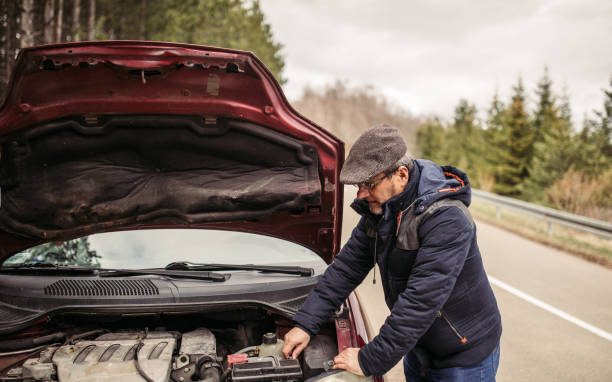
Have you ever turned your key and heard nothing but a weak click from your car? This moment can feel stressful, especially when you are far from home or in a busy place. Many drivers face this problem without warning, and it often happens at the worst time.
The good news is that most battery issues have simple causes and quick fixes. In this guide about car battery failure, you will learn why it happens and what you can do right away. By the end, you will feel more prepared and ready to get back on the road with ease and confidence.
Common Reasons Behind Car Battery Failure
Car batteries can fail for many simple reasons that drivers often overlook. One common cause is leaving lights or devices on when the engine is off. This slowly drains the battery until it has no power left.
Another reason is extreme weather, as very hot or very cold days can weaken battery strength over time. Old batteries also lose their charge faster and may stop working without clear signs. Loose or dirty battery cables can also cause trouble while you are on the road.
When the connection is not strong, the power cannot flow well to the engine. This can make your car hard to start or stop it from starting at all.
Quick Fixes To Get You Moving Again
When your battery fails, staying calm is the first step to solving the problem. One quick fix is to check your battery cables and make sure they are tight and clean. If you see dirt or white powder on the terminals, gently clean them if you have the right tools.
If your car still will not start, a jump start is often the fastest solution. You can use jumper cables and another car with a working battery to bring yours back to life. If help is not nearby, calling a car jump service can save time and reduce stress.
In some cases, roadside help may also check if your battery needs to be replaced. While waiting, make sure your car is in a safe place away from traffic. Once your car starts, let the engine run for a while so the battery can recharge.
Smart Ways To Avoid Future Battery Trouble
Preventing battery problems is easier than dealing with them on the road. Regular checks can help you spot early signs of wear or damage. Try to start your car often if you do not use it daily, as long gaps can drain the battery slowly.
Make sure your battery is strong and fully charged before you leave. Some drivers even prepare for emergencies by learning about basic services that handle power and fluid systems, such as a car jump service, which shares a similar quick-response approach to services like septic pump trucks. These services focus on fast help when systems fail, which is useful in many situations.
Take Charge Of Battery Problems With Confidence
Car battery failure can happen at any time, but it does not have to ruin your day. When you understand the common causes, you can act quickly and solve the problem with ease. Simple steps like checking cables, cleaning terminals, and using a jump start can save you time and stress.
With the right knowledge about car battery failure, you can drive with more confidence and peace of mind. This can help you avoid delays and stay safe during your trip.
Did this guide help you? Browse the rest of this section for more advice on a variety of topics.