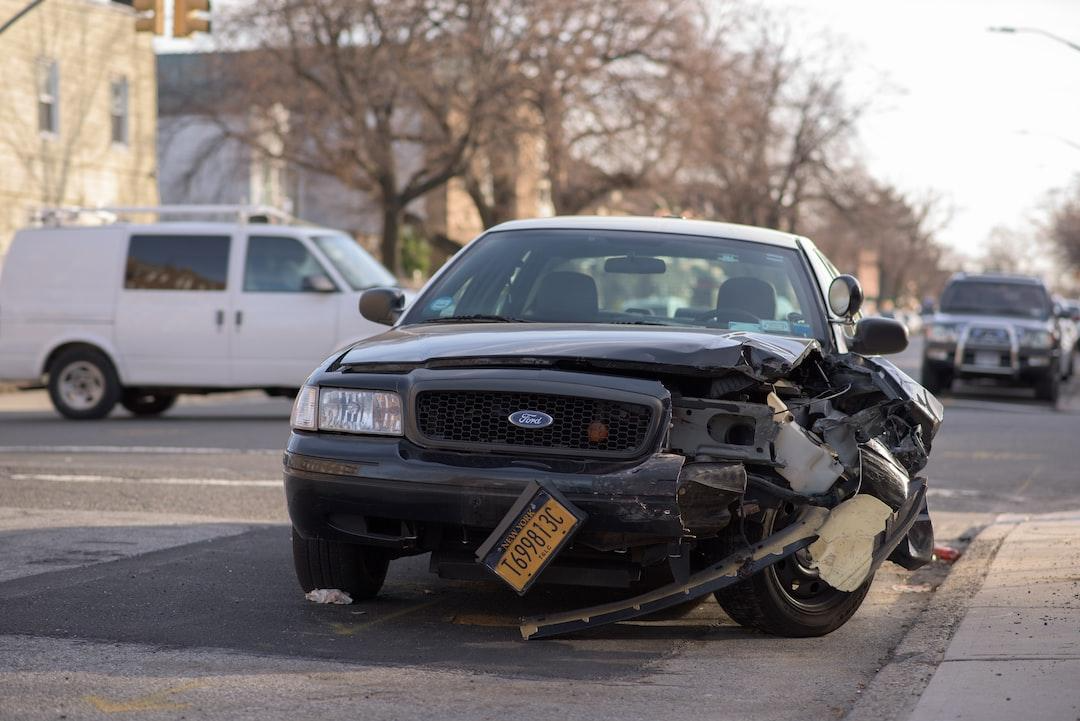
Borrowing or lending a vehicle might seem like a simple favor between friends or family, but when an accident happens, questions about liability can quickly become complicated. Who pays for the damages? Whose insurance is on the hook?
Understanding how liability works in accidents involving borrowed vehicles is crucial to avoiding unexpected financial and legal troubles. This article breaks down the key factors that determine responsibility and offers guidance on what both borrowers and owners should know before handing over the keys. Read on.
Primary Liability: The Car Owner’s Insurance
In most cases, auto insurance follows the car, not the driver. This means that if someone borrows your car and gets into an accident, your insurance is usually the first line of defense, not theirs.
For example, if you lend your car to a friend and they cause an accident, your insurance policy typically covers the damages up to your policy limits. If the damage exceeds those limits, the borrower’s own insurance might act as secondary coverage-assuming they have it.
Permissive Use: A Key Factor
Liability also depends on whether the driver had “permissive use“-that is, if the vehicle owner gave clear or implied permission to use the car. Most insurance policies will cover permissive users, though some limit coverage or raise deductibles for them.
However, if someone took the vehicle without permission-such as a relative sneaking the keys or a friend using it without asking-then the owner’s insurance may deny the claim entirely. In such cases, the unauthorized driver might be personally liable for damages and injuries.
Exceptions and Exclusions
There are important exceptions. If the borrower is using the vehicle for commercial purposes, like rideshare driving or deliveries, coverage may not apply unless the policy includes a commercial use endorsement.
Also, some insurance policies specifically exclude certain drivers-for example, someone with a bad driving history. If an excluded driver causes an accident, the insurance company can deny the claim outright.
What If the Borrower Has No Insurance?
If the borrower has no insurance and causes an accident that exceeds your policy limits, you could be personally liable for the excess damages. That’s why it is important to understand your policy limits and consider purchasing umbrella coverage, especially if you frequently lend your vehicle to others.
Rental Cars vs. Borrowed Cars
It’s worth noting that rental vehicles are a different category entirely. When you rent a car, the rental agreement and your own personal policy-or possibly a credit card benefit-determine coverage. In these cases, the rental company’s insurance usually does not apply unless you specifically purchase it.
Best Practices
To protect yourself, it’s important to know the details of your insurance policy, including who and what is covered. You should avoid lending your car casually and only allow responsible, insured drivers to use your vehicle.
If you regularly let someone use your car, it’s a good idea to put the arrangement in writing to avoid confusion or disputes later. In a worst-case scenario, it’s best to consult a lawyer, especially when you want to understand whose insurance covers borrowed car.
Know Your Rights When It Comes to Borrowed Cars
Accidents involving borrowed vehicles can become legal and financial headaches. While insurance generally covers permissive use, it’s not a blanket guarantee. Both the owner and the borrower should know the risks and responsibilities before handing over or accepting the keys.
If you want to read more articles, visit our blog.