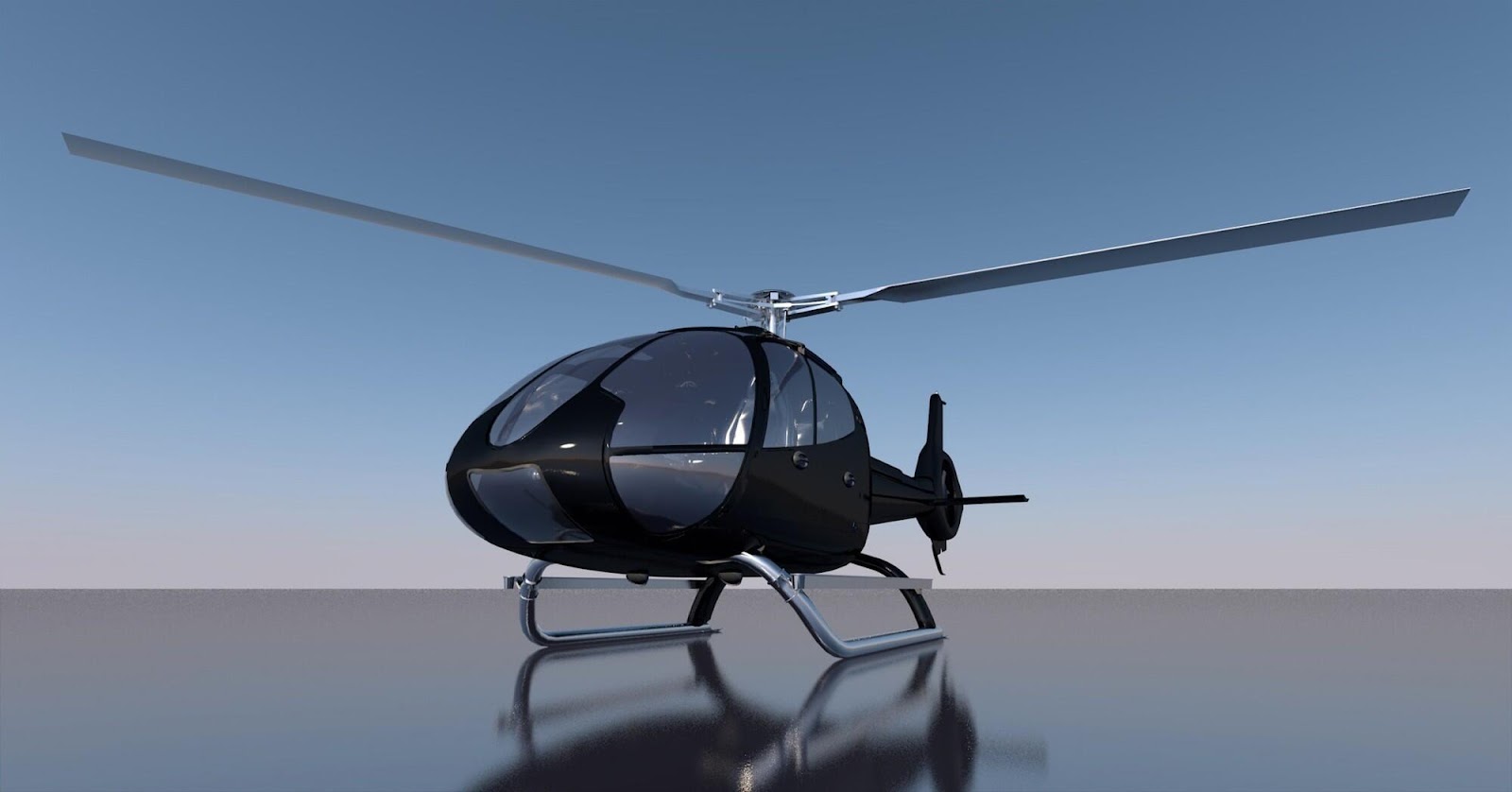
Helicopters move in ways that seem to break the rules of flight. They lift straight up, turn in tight spaces, and hover with precision. The answer lies in rotor dynamics, a field that explains every shift and motion in the air.
Curious minds often wonder how rotor blades do so much. Their speed and angle aren’t random; they’re controlled with skill.
In this blog, we will explore the science of rotor dynamics and learn how helicopters achieve lift, stability, and controlled flight. Keep reading.
How Rotor Blade Pitch Influences Vertical Movement
Rotor blades don’t just spin; they twist. This twist is called pitch, and it changes how air moves around the blades. A higher pitch angle pushes more air down, causing the helicopter to lift.
When the pilot lowers the pitch, less lift is created. This lets the helicopter hover or gently descend. Vertical flight depends on adjusting this pitch with care and accuracy.
The Role of the Swashplate in Blade Control and Maneuvering
The swashplate is a part that sends movement from the pilot’s controls to the spinning blades. It tilts and shifts to change each blade’s pitch during rotation. This allows the helicopter to tilt and move in any direction.
It has two plates that work together, one stays still, and the other spins with the rotor. These plates must stay aligned to guide blade changes. Without the swashplate, a helicopter can’t steer properly.
Torque and Anti-Torque: Balancing Forces in Helicopter Flight
When the main rotor spins, it causes the body to spin in the opposite direction. This reaction is called torque and must be balanced. Helicopters use anti-torque systems like a tail rotor to stop this spin.
The tail rotor pushes sideways to cancel out the torque. It also lets the helicopter rotate safely while hovering. Without anti-torque control, the aircraft would be hard to manage.
Gyroscopic Precession and Its Impact on Rotor Behavior
A spinning rotor acts like a gyroscope. When a force is applied to it, the effect shows up at a different point in the rotation. This shift is called gyroscopic precession.
It means the helicopter moves in a new direction after a delay. Pilots must understand this delay to fly correctly. Controls are designed to adjust for precession in real time.
Translational Lift and the Shift from Hover to Forward Flight
When a helicopter moves forward, more air flows over the rotor blades. This improves lift, making flight smoother and more efficient. This change is called translational lift.
The blades don’t have to work as hard once forward motion begins. It also helps reduce engine load. This makes forward flight easier than staying in one spot.
Stability in the Skies: How Rotor Dynamics Keep Helicopters Level
Rotor dynamics help helicopters stay steady in the air. Small changes in blade angle keep the aircraft balanced. These movements happen fast to match air and wind shifts.
Many students at a flight academy study how this balance works. They get to learn the science behind how helicopters work using real tools and models. This gives them a strong start in safe and stable flying.
Why Rotor Dynamics Make Helicopter Flight Possible
Rotor dynamics control how helicopters move, stay stable, and respond to the air. These systems work together every second to make flight smooth and safe. Understanding them gives deeper insight into aviation.
Every rotor, blade, and turn matters in the air. Knowing this helps you see how controlled flight is truly achieved. Learn more and discover how rotor dynamics shape every flight.
Did you find this article helpful? Visit more of our blogs!
Description: Explore the science of rotor dynamics and learn how helicopters achieve lift, stability, and controlled flight through precise rotor blade movement.