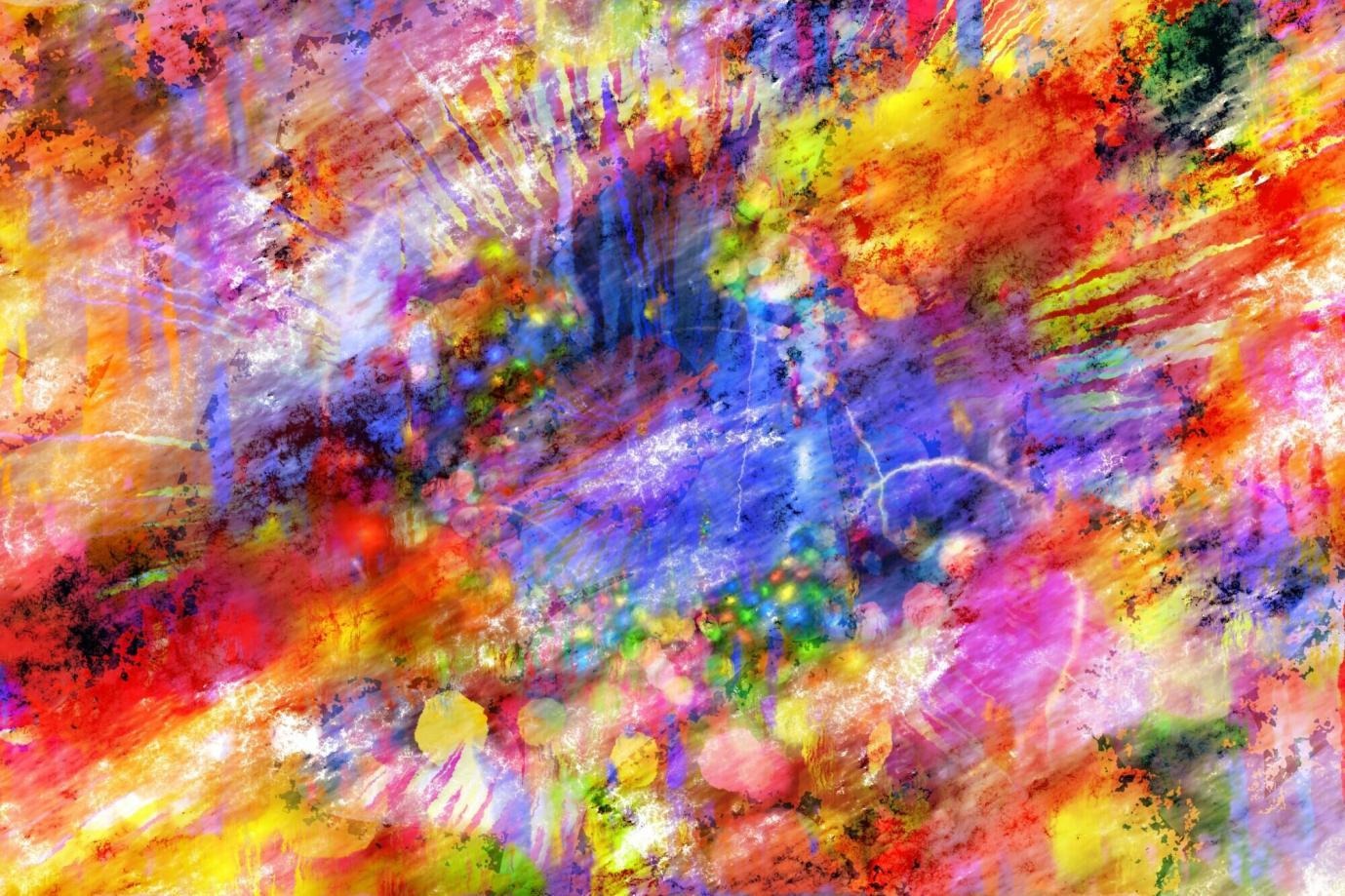
Abstract art can be puzzling, yet it holds deep meaning and beauty. Unlike realistic paintings, abstract art uses shapes, colors, and lines to show feelings and ideas. It invites you to think, feel, and see in new ways.
This journey through creativity helps you explore what lies beyond the surface. Whether you’re an artist or simply curious, learning about abstract art opens your mind to endless possibilities. Let’s dive into the world of bold imagination and personal expression.
What Is Abstract Art?
Abstract art is not about depicting things as they are. Instead, it uses colors, shapes, and forms to convey feelings and ideas. This art form challenges our conventional views and encourages us to see the world differently.
Artists often use abstract techniques to express themselves. They may not include objects that we can recognize. Instead, they invite us to connect with the emotional or imaginative essence of their work.
Abstract art is often about the journey rather than the destination. The viewer’s interpretation plays a major role in understanding it. Each person’s experience can be different, giving the artwork a rich depth.
A Brief History of Abstract Art
Abstract art began in the early 1900s. Artists wanted to break away from traditional styles. They searched for new ways to express themselves.
Painters like Wassily Kandinsky and Piet Mondrian led the way. They believed that color and shape could show emotion. Their work helped form the base of abstract art.
Over time, abstract art grew and changed. It has become an important part of both modern art and history. Its styles continue to evolve today.
The Elements of Abstract Art
Abstract art uses various elements to create emotional connections. Color is one of the most powerful tools. Different colors can evoke different feelings and responses from the viewer.
Shapes and forms also play a significant role in conveying messages. Curvy lines might suggest softness or fluidity. In contrast, sharp angles can create tension or unease.
The textures in abstract art can enhance the viewer’s experience. Whether a surface is smooth or rough can affect how we feel about a piece. Each element contributes to the overall impact of the artwork.
Interpreting Abstract Art
When viewing abstract art, it’s essential to keep an open mind. There are no right or wrong answers in interpretation. Each viewer may take away something different.
As you look at a piece, think about what emotions it stirs in you. Does it make you feel happy, sad, or contemplative? Your feelings are valid and contribute to understanding the artwork.
Often, the backstory of the artwork can enhance your interpretation. Learning about the artist’s intent can add layers of meaning. However, personal reactions should ultimately guide your understanding of abstract art.
The Role of Emotion in Abstract Art
Emotion is at the core of abstract art. Artists often use their feelings as a springboard for creativity. This can lead to powerful works that resonate with others.
By tapping into deep emotions, artists create pieces that speak truthfully to their experiences. This honesty attracts viewers who relate to those feelings. The artwork becomes a mirror of shared human experiences.
For many, abstract art provides peace of mind. It allows individuals to escape the clutter of daily life. Engaging with art can evoke a sense of calm and inspiration.
Creative Expression Through Abstract Art
Abstract art showcases unique creative expression. It breaks away from traditional guidelines and conventions. This freedom encourages innovation, pushing boundaries further in art.
Artists explore their imagination fully when creating abstract art. They can play with colors, forms, and designs, leading to new techniques. This exploration fosters an environment where creativity thrives.
As viewers, we benefit from this creative expression. It challenges us to think outside the box and appreciate different perspectives. Engaging with abstract art can enhance our outlook on life.
The Evolution of Abstract Art
Abstract art evolves over time. New trends and technologies influence artists. Techniques that once seemed revolutionary now blend into modern practices.
Today’s artists often blend traditional methods with digital techniques. This fusion creates fresh perspectives and enhances the abstract form. It opens new avenues for creative expression and artistic journey.
As we move forward, abstract art will continue to reflect our changing world. Artists will draw from current events and personal experiences. This dynamic nature keeps abstract art alive and relevant to its audience.
Finding Peace of Mind Through Abstract Art
Viewing abstract art can bring calm and peace. It takes your mind off daily stress. The soft shapes and flowing colors can be soothing.
It invites you to pause and reflect. This quiet moment helps you reset your thoughts. Many people say it helps with focus and mood.
Some even use abstract art in therapy. It allows people to express what they can’t say. In both viewing and creating, it offers mental peace.
The Impact of Social Media on Abstract Art
Social media has helped abstract art reach more people. Artists can share their work with the world in seconds. This opens doors to feedback, fans, and buyers.
Sites like Instagram and Pinterest have become virtual galleries. Viewers can find and follow artists they love. This helps keep abstract art in the public eye.
Social media also supports art education. People can learn about techniques, tools, and styles online. It makes abstract art more accessible than ever.
Inspiring Your Artistic Journey
Your journey with abstract art can begin at any time. You don’t need to be a trained artist. All you need is the will to explore and express.
Start by viewing different abstract works. You can also try painting your own. Use colors and shapes that speak to you.
You can even pair your work with sounds or music. YouTube music can further enhance the experience by providing soundscapes to accompany your art. This mix adds depth to the art experience.
Abstract Art: A New Perspective on Creativity
Abstract art invites us to view creativity from new angles. It challenges conventional expectations and pushes the boundaries of artistic expression. Each brushstroke or color choice can tell a profound story.
As you immerse yourself in abstract art, you may discover previously unseen aspects of creativity. You may find inspiration in unexpected places. Let the fluidity of abstract art guide your imagination.
Did this article help you? If so, take a look at some of our other blog posts for more informative reads.