Understanding Excess Loss Insurance
Excess loss insurance, also known as excess liability coverage, is designed to provide an additional layer of financial protection that kicks in after the limits of your primary policy have been exhausted. For healthcare professionals, this type of coverage is particularly important as it shields the practice from unexpected and significant liabilities that could otherwise have devastating consequences. Integrating professional liability insurance with excess loss coverage ensures your practice is equipped to handle claims that might exceed standard policy limits.
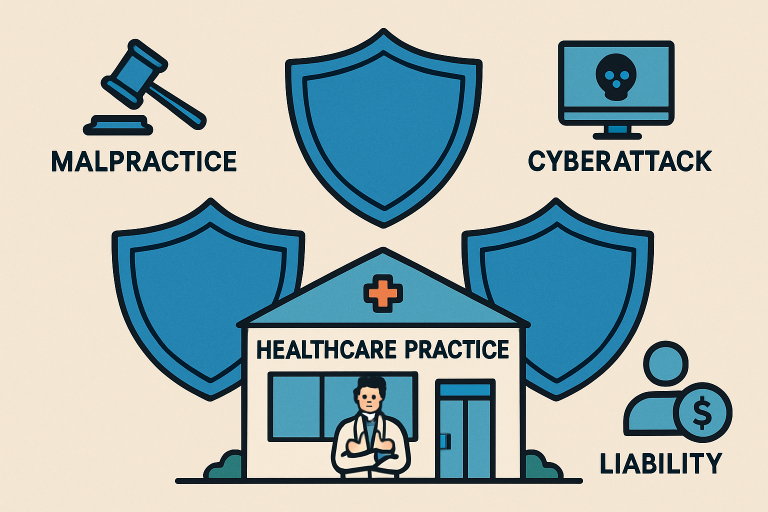
Healthcare settings are increasingly vulnerable to large-scale claims driven by malpractice, cyberattacks, and regulatory issues. Without sufficient excess loss insurance, a severe claim could threaten the stability of your business or personal assets. Understanding how excess loss insurance works and what it can cover is the first step in protecting your operation from catastrophic risk.
Assess Your Practice’s Specific Needs
Every medical practice faces its own unique risk profile. The size, specialty, and scope of your practice significantly influence your coverage needs. For example, larger group practices or clinics with multiple specialties often encounter higher liability exposure compared to smaller, single-provider practices. Factors like the types of procedures performed, patient volume, demographic trends, and even geographic location can influence your practice’s exposure to claims.
Conducting a thorough risk assessment is essential. Engage your management team or key stakeholders to identify where your greatest risks lie. Are you exposed to a higher malpractice risk? Does your practice handle sensitive patient data that could invite lawsuits in the event of a cybersecurity breach? Mapping out these dimensions will help you find a policy tailored to your operational vulnerabilities.
Evaluate Policy Limits and Coverage Scope
Choosing the right policy limits is a balancing act. Insufficient coverage may leave your practice vulnerable to significant financial losses, while excessive coverage can result in unnecessary costs. Analyze your historical claims data and benchmark it against those of businesses of similar size and specialty to determine a sensible limit. It’s also important to understand the scope of your coverage. Some policies may automatically cover emerging risks, such as social engineering or expanded telemedicine, while others may require explicit add-ons.
Key Considerations When Evaluating Coverage:
- Does the policy cover both defense costs and settlements, or only settlements after the primary policy limit has been reached?
- Are modern risks, such as cyber liability or data breaches, included in excess coverage?
- What conditions must be met to activate excess coverage—does it require primary insurance exhaustion or come with its own triggers?
Consider the Financial Stability of the Insurer
When claims arise, you want to be certain that your insurer has the financial strength to cover them. Evaluate the insurance provider’s financial ratings from reputable agencies. These ratings reflect the carrier’s ability to pay substantial claims, especially in periods of high loss or an industry downturn. An insurer with a strong credit rating offers confidence that claims will be managed and resolved responsibly.
It’s also helpful to research how insurers have responded to large settlements or class-action suits in the past. Transparency in claim handling, customer service, and claims resolution efficiency are all indicators of a reputable partner.
Review Policy Exclusions and Conditions
Understanding what your excess loss insurance doesn’t cover can be just as critical as knowing what it does. Policy exclusions vary significantly between carriers, so read carefully. Many policies may exclude coverage for punitive damages, certain types of telemedicine, or claims arising from specific regulatory violations. Some individuals may also have conditions related to the primary policy or reporting procedures that, if not met, can jeopardize coverage.
Ask for clarification on any policy language that seems ambiguous, and if needed, request endorsements or riders to fill any concerning gaps unique to your practice’s operations. Regularly reviewing these details ensures that your expectations align with the reality of your policy.
Seek Professional Guidance
Healthcare insurance is a specialized field, and nuances in coverage can vary greatly. Consulting with an experienced broker or legal advisor who understands the medical sector is invaluable. These professionals can navigate the intricacies of policy terms, help negotiate more favorable terms, and identify exclusions that could impact your financial protection. Their objective assessment reduces the risk of unpleasant surprises when claims occur.
Regularly Review and Update Your Policy
Your practice’s risk profile is likely to evolve. Opening new locations, hiring new providers, offering new services, or adopting advanced technology may all necessitate updates to your excess loss policy. Annual reviews with your broker can help ensure your coverage grows with your business and remains aligned with industry trends. Document material changes to your practice and proactively share them with your insurance representative to avoid coverage gaps and optimize your insurance investment.
Implement Risk Management Strategies
Prevention is a critical component of insurance planning. Implementing strong internal protocols—such as consistently updating clinical documentation, providing ongoing staff education, and establishing secure approaches for handling patient data—reduces incident frequency and severity. These proactive risk management efforts not only improve patient safety and operational integrity but may also qualify your practice for premium discounts or favorable underwriting terms from insurers.
Staying informed of compliance changes, adhering to clinical best practices, and being vigilant for industry-wide threats make a measurable difference over time.
By taking these comprehensive steps, you can build a solid shield for your healthcare practice against the most serious financial threats, allowing you to focus on delivering exceptional care to your patients.