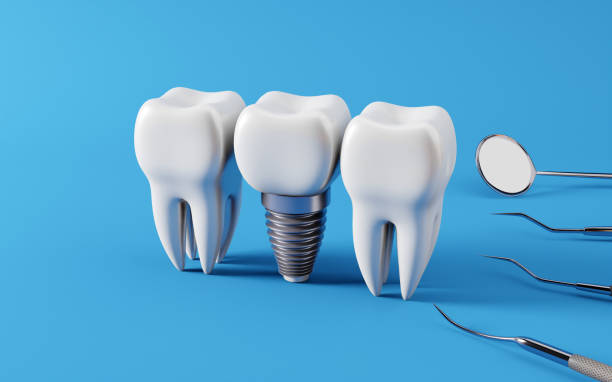
Dental implants are widely regarded as the gold standard in restorative dentistry, providing patients with a reliable means to regain both function and aesthetics after tooth loss. Unlike traditional options such as bridges or dentures, implants offer a more permanent and natural-feeling solution by anchoring directly to the jawbone. What sets them apart from other tooth replacement solutions is their remarkable durability, supported by decades of clinical data and ongoing scientific research. These factors make implants attractive for those seeking to avoid the limitations and repeated replacements associated with removable prosthetics. For individuals considering their long-term tooth replacement options, all-on-4 dental implants offer an innovative approach that minimizes invasiveness while maximizing lasting outcomes.
The science behind dental implants is a harmonious blend of material excellence, biological compatibility, and technological ingenuity. Dental professionals, researchers, and manufacturers continually refine implant technology to meet patient needs for comfort, aesthetics, and long-term success. This article explores the critical elements that underpin the long-lasting nature of dental implants—from the microscopic bond formed with the bone to the cutting-edge advancements that continue to shape their future. Whether you are exploring implants for yourself or simply curious about the remarkable interplay of biology and engineering, understanding these factors provides clarity on why dental implants tend to outlast other alternatives.
Choosing an implant-supported restoration is not just about aesthetics—it’s about investing in your oral and overall health for the years to come. Replacing missing teeth can help prevent shifting of adjacent teeth, bone loss, and changes in facial structure. Maintaining oral health through stable implants also supports better nutrition, clearer speech, and increased confidence in everyday interactions. The combination of skilled clinical technique, patient education, and ongoing care creates the foundation for durable, natural-looking results.
Understanding Osseointegration
The staying power of dental implants begins with osseointegration—a biological phenomenon where the titanium post fuses directly with the living bone tissue. When a dental implant is placed in the jaw, the body’s natural healing process encourages bone cells to grow and bond tightly to the implant surface, effectively locking it in place. This process typically takes just a few months and establishes a firm, non-mobile foundation that mimics the stability of natural tooth roots. Clinical studies, such as those conducted at the University of Gothenburg, demonstrate that with proper care and initial integration, implant fixtures can remain functional for over four decades, with a success rate rivaling that of any other dental restorative option. Osseointegration is crucial because it prevents loosening over time, enabling patients to chew, speak, and smile confidently without worrying about shifting appliances.
Material Matters: Titanium’s Role
Titanium has emerged as the preferred material for dental implants due to its exceptional properties: it is biocompatible, lightweight yet strong, and highly resistant to corrosion within the human body. Unlike other metals, titanium does not provoke significant immune reactions or allergies, making it well-tolerated by the vast majority of patients. The natural oxide layer that forms on titanium enhances bone cell attachment, reducing the risk of rejection and facilitating long-term integration. These features are foundational for the decades-spanning success stories observed in patients worldwide. As dental technology advances, researchers continue to optimize titanium alloys and occasionally explore alternative materials, but titanium remains the gold standard for predictability and safety.
Advancements in Implant Surface Technology
While early implants featured smooth surfaces, scientific advances now focus on modifying the implant’s surface at the microscopic level. These surface modifications are designed to increase the available area for bone contact and stimulate a faster response from bone cells. Surface treatments, such as sandblasting, acid etching, and even ultraviolet (UV) light treatment, have been shown to expedite and strengthen osseointegration. For example, roughened surfaces provide small grooves and pores that allow bone cells to adhere, while acid-etched surfaces enhance initial cell attachment. UV-treated implants, in particular, have demonstrated near-perfect integration and accelerated healing, thereby reducing overall recovery time and the risk of initial implant failure. Continued research in this area has helped decrease failure rates and make implant placement viable for a broader range of patients, including those with slight bone deficiencies.
Design Innovations: The All-on-4 Concept
The All-on-4 concept has revolutionized the restoration of full dental arches, allowing a complete set of teeth to be supported by only four strategically placed implants. Rather than placing an implant for every missing tooth, this technique positions two implants upright in the front of the jaw and two at an angle in the back, making optimal use of the patient’s existing bone structure. This method optimally utilizes available bone, often eliminating the need for bone grafting, and provides immediate function for patients. Patients benefit from a streamlined treatment process, fewer surgeries, and shortened recovery periods, without sacrificing stability or aesthetics. The efficiency and effectiveness of this approach make it one of the most popular full-mouth restoration solutions in modern dental implantology. All-on-4 has given countless patients renewed confidence and enhanced their quality of life through fast and reliable restoration.
Biological Enhancements: Bioactive Coatings
Recent innovations focus on incorporating bioactive coatings into implant surfaces, such as bioactive glass or hydroxyapatite, to further stimulate bone growth. These specialized surface coatings mimic or encourage the body’s natural ability to heal, facilitating the integration of bone tissue with the implant. These coatings can interact with the surrounding tissue at a cellular level, stimulating quicker and more robust bone ingrowth, particularly in the crucial early stages of healing. Peer-reviewed research supports that these enhancements reduce healing times and can improve initial stability. The ongoing development of bioactive materials represents an exciting frontier in implantology, driving higher success rates and expanding access to long-lasting dental implants for patients with complex health or structural challenges.
Maintenance: Ensuring Implant Longevity
The scientific foundation of a dental implant is only as strong as the daily care it receives. Even the best-placed and most advanced implants depend on the patient’s commitment to oral hygiene and regular dental visits. Regular dental check-ups and professional cleanings are crucial, as are patient-led habits such as brushing, flossing, and avoiding tobacco products. These daily efforts help prevent peri-implantitis, a condition similar to gum disease that can threaten implant stability. Even with the most advanced materials and techniques, long-term implant success depends on diligent oral hygiene and routine evaluation to catch potential issues early. Proper maintenance ensures that implants remain healthy, strong, and aesthetically pleasing for many years, thereby minimizing the risk of complications and the need for additional treatment.
Future Prospects: Regenerative Dentistry
Research in regenerative dentistry is fast becoming a reality. Scientists are now able to culture human dental tissue in the lab, paving the way for possible natural tooth regeneration in the future. Exciting advances in stem cell therapy, growth factors, and tissue engineering signal an era where dental implants may one day be complemented or even replaced by living biological tooth structures. While these breakthroughs are still in development, they promise a future where missing teeth could be replaced with lab-grown, biologically matched teeth, further advancing the possibilities for tooth restoration. This ongoing research inspires hope for even more natural, holistic approaches to repairing and replacing lost teeth.
In summary, the science behind long-lasting dental implants is a convergence of osseointegration, robust biomaterials, innovative surface and design improvements, biological enhancements, and rigorous patient care. The fusion of proven techniques with ongoing research ensures that dental implants continue to deliver reliable, aesthetic, and comfortable results. As discoveries emerge, implant technology promises even more secure and natural-feeling solutions for tooth loss, helping patients maintain their smiles for a lifetime.