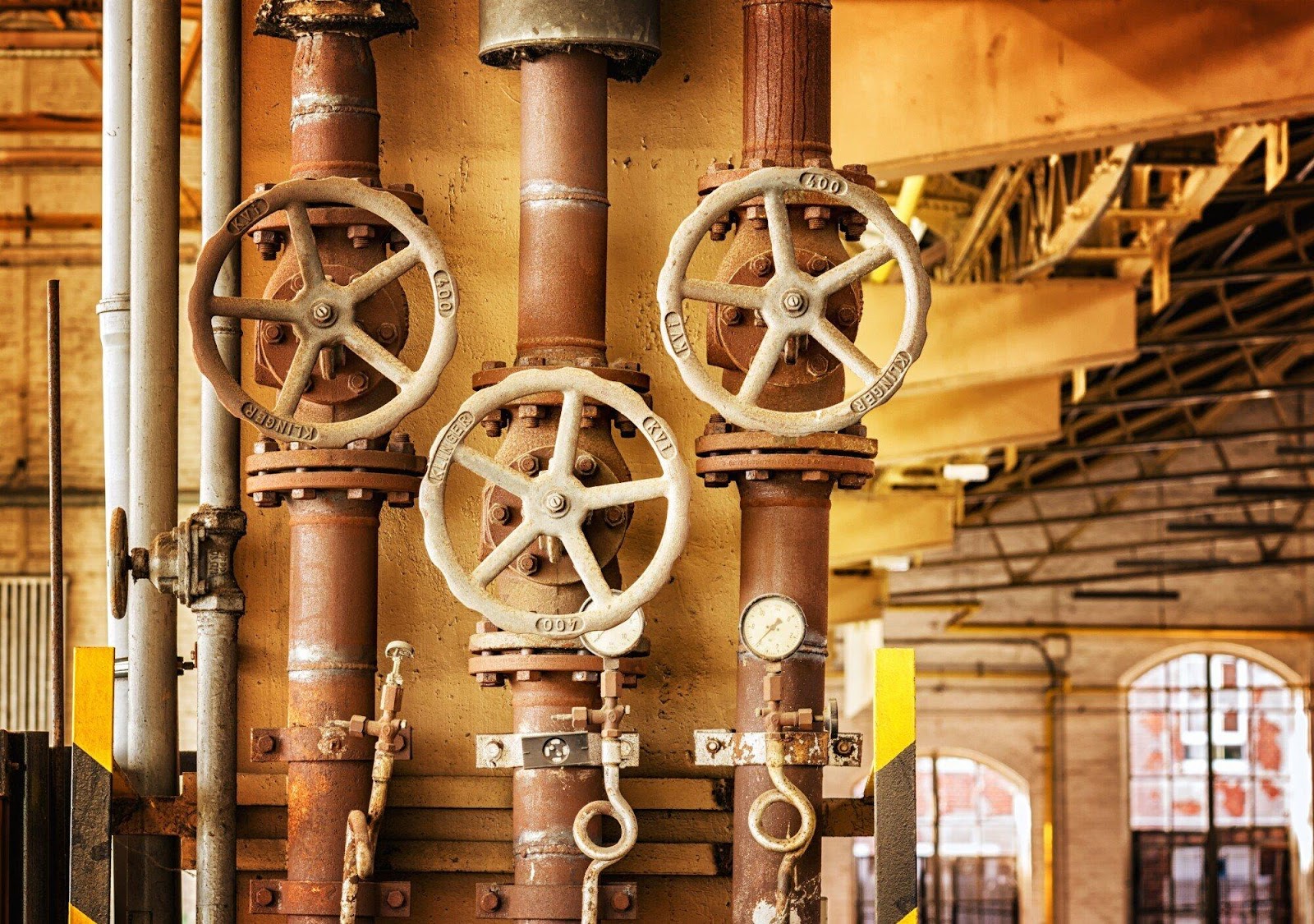
In today’s rapidly changing environment, the focus on industrial sustainability has never been more critical. As industries strive to become more eco-friendly, one key component plays an essential role: valves.
These seemingly simple devices are vital in controlling fluid flow, impacting everything from energy consumption to environmental emissions. But how exactly do valves contribute to sustainability in industrial processes? Keep on reading to learn more.
Understanding the Impact of Valves on Energy Efficiency
Valves play an important role in many industrial systems and have a big effect on how much energy is used. When valves control the flow of liquids or gases better, they can help lower energy waste. For example, in heating and cooling systems, valves that work well stop energy from being lost. Repairing leaks in compressed air systems can reduce energy consumption by up to 30%.
Newer valve technologies, like automated and smart valves, give even better control of flow. These smart valves can adjust flow rates exactly when needed, which helps save energy. Using these advanced valves not only makes machines run better but also helps industries use less power and reduce waste.
Contributing to Waste Reduction
Another critical aspect of industrial sustainability is waste reduction. Valves that are not correctly maintained can lead to leaks. This often results in waste and increased operational costs.
By implementing regular maintenance and utilizing high-quality valves, facilities can minimize these issues. Key benefits include:
- Preventing leaks through reliable sealing technology
- Reducing material waste by optimizing process flows
- Enhancing the lifespan of equipment
Supporting Eco-Friendly Process Control Systems
The move to greener ways of working is changing many industries in big ways. Valves play a key part in this change by helping systems work better and cutting down harmful emissions. They control how much energy is used, keeping systems balanced and saving power, which helps lower the overall carbon footprint of a company.
For example, in water and wastewater treatment plants, valves manage the flow and pressure of water. This control makes sure the treatment process works without problems and uses less energy. Because of this, the water gets cleaner, and the plant saves energy, making the whole process more eco-friendly.
Future Trends in Valve Technology
Valve technology is changing fast as industries focus more on being green and sustainable. New smart valves use Internet of Things (IoT) and Artificial Intelligence (AI) to make systems work smarter. These smart valves send real-time information about how they are working. This data helps operators make better choices and fix problems before they get worse.
Using these advanced valves is a key part of bigger plans to protect the environment. When industries mix these new technologies with their usual ways, they can reach their goals for using less energy and creating less waste. This blend of old and new helps make factories and plants cleaner and more efficient over time. Check out sites like Everlastingvalveusa.com for more info.
The Essential Role of Valves in Industrial Sustainability
Valves might look small, but they play a big role in saving energy and helping the environment in industries. They help us use less power, cut down on waste, and support green processes. Because of this, valves are very important for moving toward a cleaner future.
Industries should check their valve systems carefully, buy good valves, and keep them in good shape. Doing these things saves money and helps the world by supporting efforts to protect the environment.
For more related topics, check out the rest of our blog!