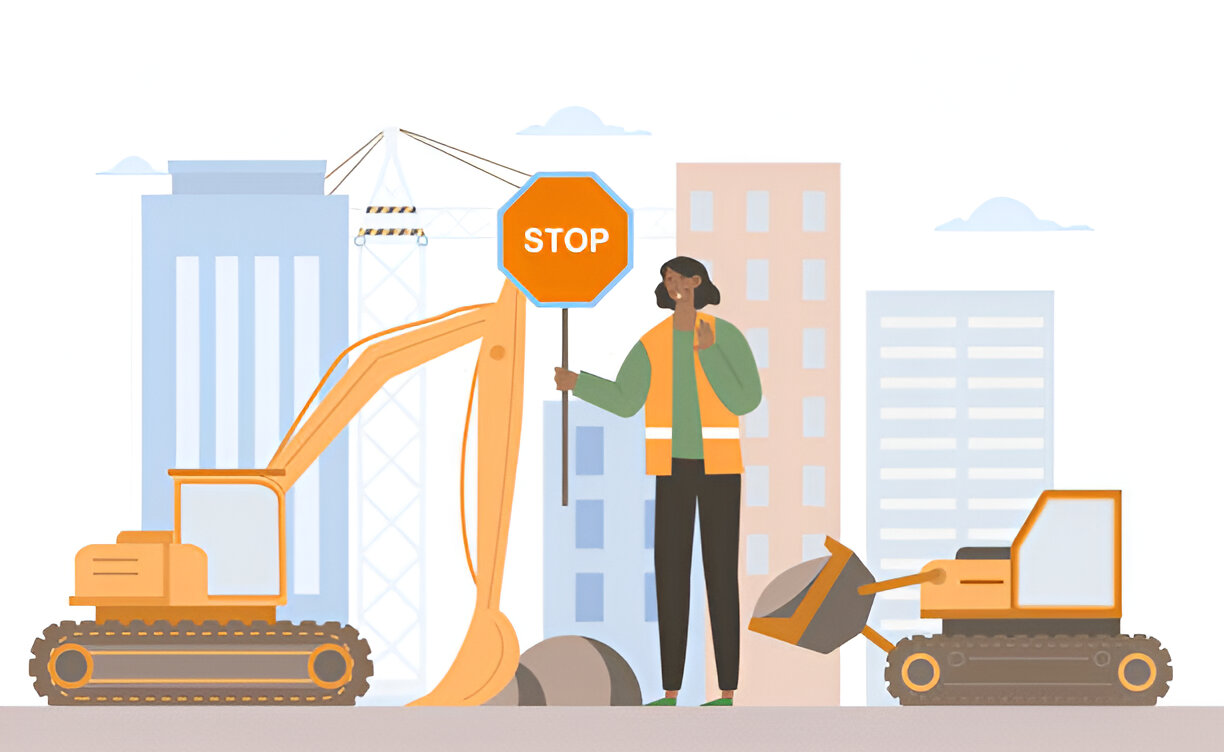
Do you often feel uneasy when walking near a construction site? We totally get you. An unsecured construction site is basically an accident waiting to happen. And even though construction sites usually signify some positive urban development, they can also be dangerous.
In busy areas where pedestrians and children often walk by construction sites, it’s so easy to slip and fall or get injured by an unsecured object. These accidents have been known to happen, especially when the weather gets unpredictable.
Heavy winds and storms can cause loose objects to fall off and hit an innocent pedestrian. Also, the vehicle frequency is high around these areas and pedestrians often go unnoticed. That’s when pedestrians become victims of motor vehicle accidents and those in charge of construction have to face the consequences.
So, let’s take a look at why and how these accidents happen and what the consequences are. Keep reading to learn more.
What happens when a pedestrian accident occurs
Pedestrian accidents are more common than you might think. On average, more than 60,000 pedestrians were injured in traffic-related accidents. And this is usually because drivers fail to notice pedestrians or check their blind spots.
When a pedestrian is hurt near a construction site, it triggers a number of different events. First and foremost, there’s the personal cost to the injured person. The pain, the medical bills and the lost wages. Not to mention the trauma on top of that. Victims usually get the help of a pedestrian accident lawyer to overcome these challenges.
But beyond the individual, construction businesses located near the site often feel the impact too.
For instance, local shops might experience a drop in foot traffic if people begin to avoid the area due to safety concerns. Word spreads around fast and your business might suffer.
Additionally, construction companies might face legal claims or insurance issues.
Why these accidents happen
Pedestrian accidents around construction zones happen for many reasons. Often, they are a result of many factors combined: poor signage, unclear detours, and distracted walking or driving.
At a busy intersection, if fencing is missing or signs are blocked, pedestrians might wander into a hazardous area without realizing it. In some cases, construction vehicles reversing out of driveways or trucks unloading materials may strike someone walking by.
A report from the Centers for Disease Control and Prevention (CDC) shows that thousands of pedestrians are injured every year in work zones. While not all of these are near construction sites, the overlap is significant.
In Arizona, for example, several pedestrian-related incidents near roadwork zones have led to temporary closures of major streets in big cities, affecting both daily commuters and small business operations.
As a pedestrian, all you have to do in this situation is try and stay calm and seek help immediately. It’s also important to document the scene and gather some evidence that might help in your insurance claim. If you’re not sure where to start, it’s always best to contact a pedestrian accident lawyer to help you with all the red tape.
Business disruption and financial costs
As mentioned, one of the biggest consequences of pedestrian accidents near construction zones is business disruption. Restaurants, cafes, and retail stores that depend on people walking by can see a sharp decline in customers after a high-profile accident. No one wants to sip coffee next to an active site with a history of injuries.
Construction companies also share the financial burden. If found responsible, they may be subject to lawsuits and increased insurance premiums.
Depending on the country or state, regulatory bodies might issue stop-work orders until safety violations are addressed. These delays cost time and money.
In the UK, for instance, the Health and Safety Executive (HSE) actively investigates pedestrian accidents near construction zones. A single incident can lead to large fines and public scrutiny, especially in densely populated areas like London. The HSE reported that nearly 30% of non-employee injuries at construction sites involved people walking nearby.
Reputation and public trust
Beyond money, accidents hurt a business’s reputation. People can spread the word about the hazardous environment and ruin the construction business’s reputation.
For construction companies, one safety lapse can damage years of hard work and public trust. Potential clients might drop out of future business contracts and partnerships to avoid the bad rep.
That kind of bad reputation also reaches local governments. A poorly managed site that leads to pedestrian harm reflects badly on city planners, especially if the project was publicly funded.
In countries like Germany and Japan, construction companies take extreme care to separate pedestrian areas from work zones using barriers, lighting, and temporary sidewalks. That kind of system can be and should also be implemented across the US. It’s necessary to separate these zones and make them clearly visible to incoming pedestrians.
Also, all the objects on the construction site should be secured so that they don’t cause any damage. All of these measures are necessary if you want to avoid becoming blacklisted.
The final word: Creating safe construction zones
Construction zones, especially improperly marked ones, can quickly turn into an accident scene. And it’s the pedestrians who usually end up as victims.
Pedestrian accidents near construction sites are more than just unfortunate events. Apart from the individual, they also harm the business.
They cost money, harm reputations, and in some cases, cause long-term harm to communities. By putting strong safety practices in place and maintaining clear communication with the public, businesses and contractors can protect not only people’s lives but also their bottom line.