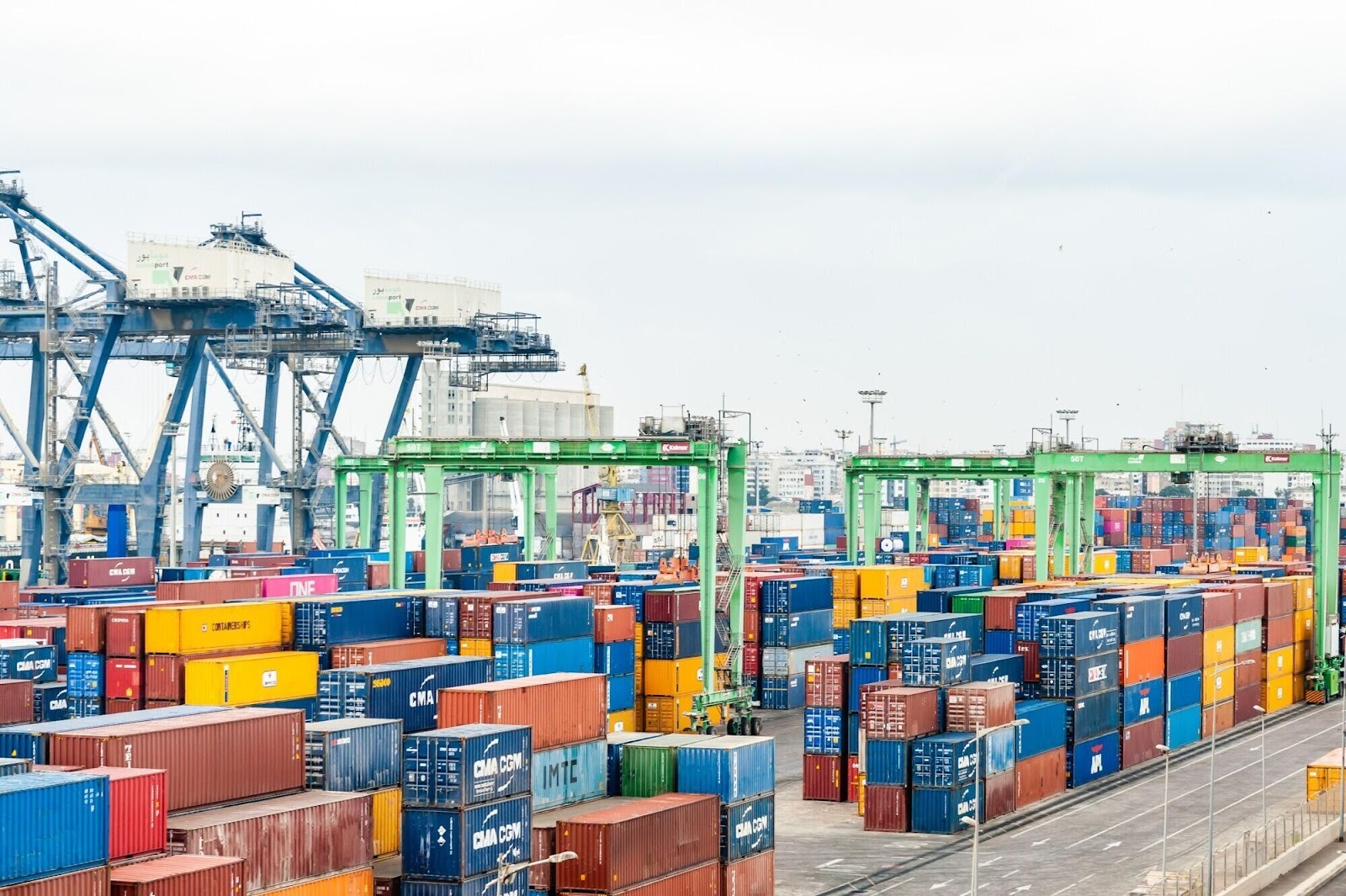
What if the key to a greener future in logistics could start with the trailers on the road? Sustainability is no longer just a trend-it’s becoming a must for businesses that want to stay competitive and responsible.
Dump trailers, often seen as simple hauling equipment, can actually play a big role in creating a cleaner and more efficient supply chain. By choosing smarter practices and modern equipment, companies can cut waste, save fuel, and reduce their environmental impact.
Ready to discover how dump trailers can drive change in logistics? Let’s explore the steps toward building a sustainable logistics chain together.
Assess the Current Footprint
The first step is understanding where you stand. Many companies jump into action without measuring their current performance. Start by tracking fuel consumption per trip, per trailer, and per ton of material transported. Identify how much carbon dioxide is released each year. Look at the waste from oil changes, tire replacements, and hydraulic leaks.
A footprint analysis also includes examining loading and unloading processes. Are trucks sitting idle for long periods at job sites? Are there repeat trips due to poor scheduling? Once you know the weak points, you can set clear goals. For example, aim to cut idle time by 20% or reduce fuel use per trip by 10%.
Select Energy-Efficient Trailers
The choice of trailer makes a huge difference. Older dump trailers are often heavy, less aerodynamic, and require more power to operate. Modern trailers use lighter steel alloys or aluminum, which can handle heavy loads without adding extra weight. Improved designs also reduce wind drag, which saves fuel during transport.
When choosing new trailers, consider their hydraulic systems. Some models use energy-efficient pumps that waste less power when lifting loads. Others include automated covers that reduce spillage and protect cargo, improving safety and efficiency.
Companies that invest in durable and efficient trailers save money in the long run while reducing environmental harm. In this step, exploring models like those from Pro-line Trailers can provide options that balance performance with sustainability.
Maintain Vehicles Regularly
Sustainability is not only about technology. It is also about discipline. A trailer that is not maintained will waste fuel and wear out faster. For example, tires with low air pressure increase rolling resistance, which makes the engine work harder. Worn bearings or misaligned axles also reduce efficiency.
Regular maintenance includes checking hydraulic systems for leaks, replacing filters, and ensuring the braking system works properly. It is also important to dispose of old oil, filters, and parts in a responsible way. Partner with recycling services that handle these materials safely. A well-maintained fleet not only saves fuel but also lasts longer, reducing the need for new equipment.
Optimize Route Planning
A large portion of fuel waste in logistics comes from poor route planning. Technology today offers simple tools to fix this problem. GPS navigation and logistics software can identify the fastest and shortest routes in real time. They can also adjust to changing traffic conditions, weather, or road closures.
Companies should also plan to avoid backtracking. For example, if a trailer drops a load near another project site, it should be routed to pick up a return load instead of driving back empty. Grouping deliveries or pickups in one area saves time and fuel.
Consolidate Loads and Shipments
Running a half-empty dump trailer wastes money and fuel. Companies can solve this by consolidating shipments. Instead of sending three half-full trailers, combine loads into one or two. This requires better communication between project managers, suppliers, and drivers.
Sometimes, partnerships with other firms can also help. Two companies working in the same region can share logistics to reduce trips. This not only saves fuel but also reduces traffic congestion and wear on roads.
Use Alternative Fuels or Cleaner Engines
Diesel is the most common fuel for dump trailers, but it is not the cleanest. Companies can explore alternatives such as biodiesel, natural gas, or electric power for short routes. Cleaner fuels produce fewer greenhouse gases and reduce air pollution.
Upgrading to newer engines with better emission controls is another option. Engines built to meet modern standards release far less pollution than older ones. In some cases, trailers can be paired with hybrid trucks that combine electric and diesel power.
Monitor with Telematics and Sensors
Data is powerful when used correctly. Modern dump trailers and trucks can be equipped with telematics systems that record information about fuel use, idle time, braking, and acceleration. Managers can review this data to find inefficiencies.
For example, if one driver idles for long periods, training may fix the problem. If one route always shows high fuel consumption, maybe it has steep hills or traffic congestion. Telematics can also send alerts for maintenance issues before they turn into breakdowns. This keeps the fleet efficient and reduces unexpected downtime.
Train Drivers and Staff
Human behavior is often the largest factor in fuel use. Even the best trailer will waste fuel if the driver accelerates too quickly, brakes harshly, or idles for long periods. Training programs can teach drivers to use smoother driving habits that save fuel.
Training should also cover proper loading techniques. An unbalanced load can stress the vehicle and increase fuel use. Safety training is important too. A safe driver avoids accidents, which reduces delays and waste. Creating a culture where drivers and staff take pride in sustainability can make a big difference.
Implement Reverse Logistics and Recycling
Forward logistics is about moving materials to the customer. Reverse logistics focuses on bringing materials back for reuse or recycling. For dump trailers, this can mean returning construction waste, scrap metal, or soil for processing instead of disposal.
Recycling not only reduces landfill use but also lowers the need for new raw materials. For example, recycled asphalt or concrete can be reused in new construction projects. A company that builds reverse logistics into its operations saves money and shows responsibility toward the environment.
All About a Sustainable Logistics Chain
A sustainable logistics chain with dump trailers helps reduce waste and fuel use. It improves efficiency in moving materials while protecting the environment. Regular maintenance and eco-friendly practices make the system stronger.
Choosing modern trailers with better designs supports long-term goals. These steps ensure businesses can grow responsibly while caring for the planet.
If you’d like to learn more, check out more articles on our blog.