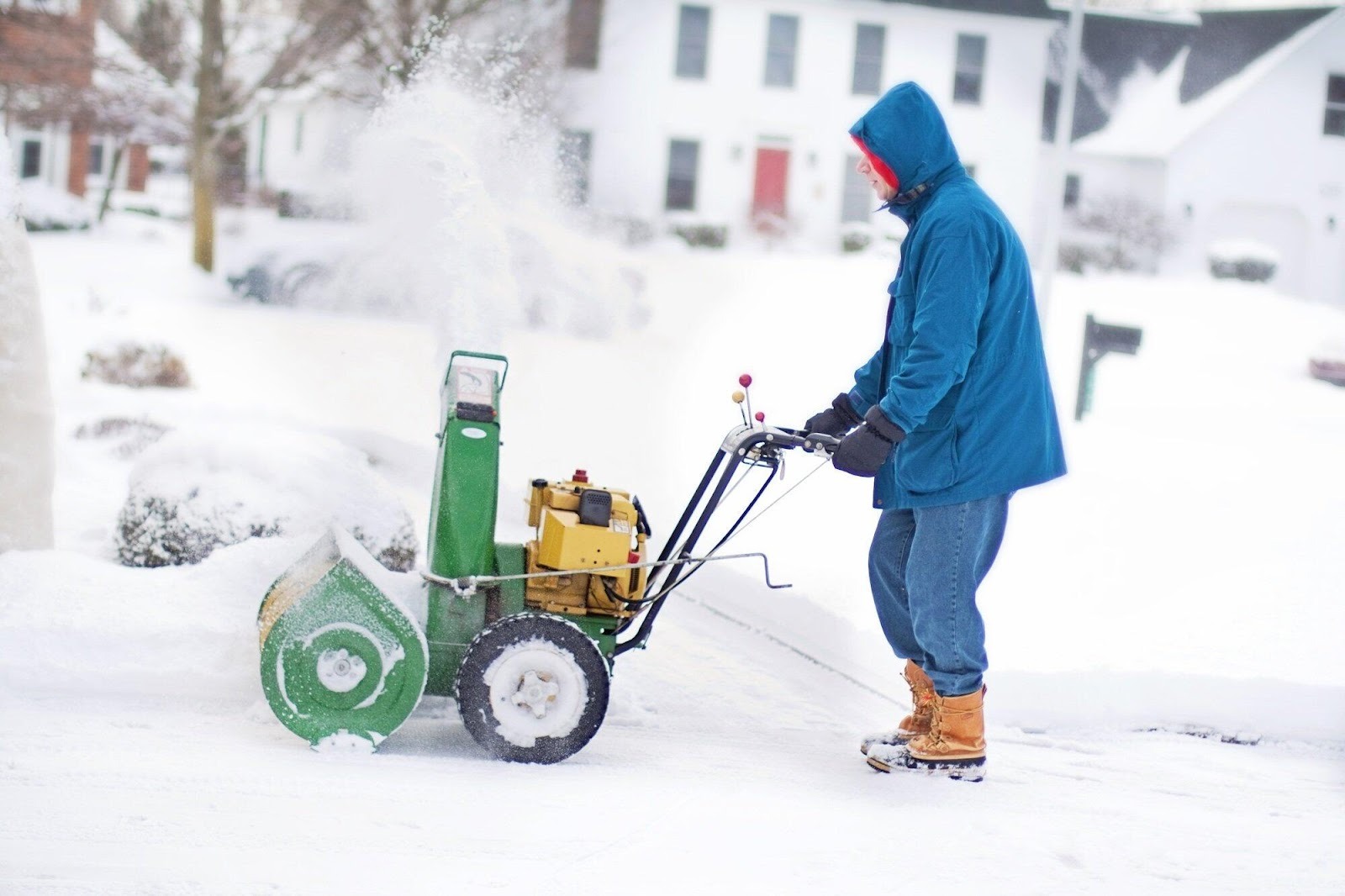
Have you ever thought about the benefits of being able to build your own plow? Whether you’re a dedicated DIY enthusiast, a farmer in need of efficient tools, or someone tackling winter snow, creating your own plow can be an empowering project.
This article will guide you through the essential steps needed to design and construct a functional plow tailored to your specific requirements.
Understanding the Basics of Plow Design
Before diving into the construction, it is important to understand the fundamental principles behind plow design.
A plow is mainly used to move soil or snow. To work well, it needs the right
- shape
- material
- size
The shape of the blade helps it push dirt or snow more easily. The material used is important because it affects how strong and long-lasting the plow will be. Finally, the size should fit the job you need it for and match the power of the vehicle that will use it.
Considering these factors will help ensure your plow has great functionality and longevity. Next, let’s gather the materials you’ll need for this exciting endeavor.
Essential Tools and Materials
Once you’ve finalized your design, it’s time to gather your materials and tools. Here’s a list of what you’ll likely need:
You’ll need a steel plate for the blade and an iron beam to create the frame. Welding equipment is important for securely joining the parts together. If you plan to add a hydraulic system, you’ll also need hoses and pulleys.
Wrenches and sockets will help with assembly, while a drill is needed to make holes in the materials. Finally, don’t forget to use paint to protect your plow from rust and make it last longer.
It’s beneficial to have a detailed plan on hand to ensure nothing is missed during the construction phase.
Step-by-Step Assembly Instructions
At this stage, it’s time to start and build your own plow. Begin by making the frame using an iron beam. Cut it to the right size and weld the parts together to create a strong base.
Next, cut the steel plate into the shape you want for the blade and attach it to the frame with bolts to keep it secure. If you want a more advanced plow, you can add a hydraulic system, though it will need extra parts to work properly.
When everything is put together, paint the plow to protect it from bad weather. Take your time and be careful. Rushing might cause mistakes that could waste both time and materials.
Remember, patience is vital in this project! Rushing through steps may lead to mistakes costing you time and resources.
Testing Your Plow
After completing your plow, don’t rush out to use it right away. First, conduct a thorough test:
Check for:
- Stability of the frame
- Proper attachment to your vehicle
- Functionality of any hydraulic systems
Test it in a controlled setting to ensure maximum safety and performance.
Your Path to DIY Success
Throughout your journey of learning how to build your own plow. Remember that every mistake is an opportunity for improvement.
Embrace the process. Soon you’ll find yourself equipped with not only a functional tool but the skills to tackle further projects. With just a bit of patience and creativity, you can have a plow that serves your needs efficiently.
For more tools and equipment tips, check out our blog posts.