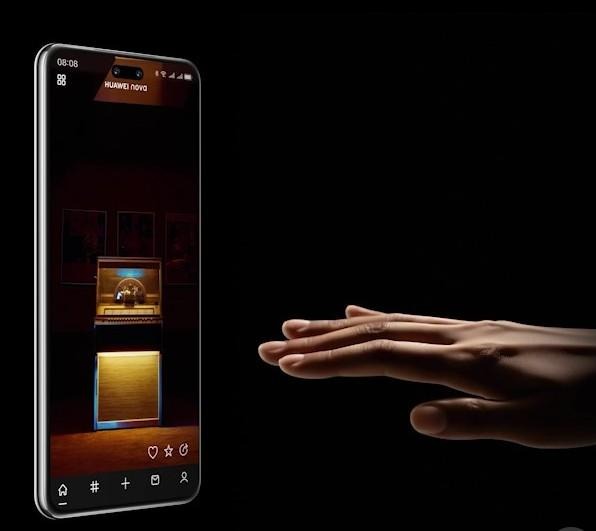
Smartphones in 2025 are more intelligent, quicker, and more efficient than ever before. AI now controls everything from daily activities to security, and camera systems match professional equipment. Users want products that not only perform better, but also last longer, charge faster, and adapt to their individual preferences. Brands are reacting with smarter assistants, cutting-edge camera software, and significant battery advancements. Whether you use your phone for business, content production, or gaming, the changes coming this year are significant. With so much changing at once, it’s worth looking at how AI, camera technology, and power solutions will shape the future of smartphones in 2025.
How Is AI Reshaping the Smartphone Experience in 2025?
Smarter Personal Assistants for Everyday Tasks
AI personal assistants will have grown more proactive and communicative by 2025. They don’t just respond to orders; they anticipate them. If you’re running late, they’ll recommend different routes, alert your contacts, and update your schedule automatically. Assistants, such as Huawei’s Celia, now comprehend context better and can handle follow-up queries with ease. Voice recognition is more accurate, even in loud settings. Users may operate smart homes, send emails, and schedule meetings all hands-free. These assistants now integrate more deeply into apps, providing real-time recommendations when browsing or purchasing. AI-powered assistants have evolved into indispensable digital companions by eliminating friction from daily chores.
AI-Driven Personalization Across Apps
In 2025, AI-powered smartphones will be able to tailor their applications and settings. Music apps personalize playlists based on mood, time, and choice. Fitness apps suggest regimens based on stress and sleep. Even news feeds are tailored to your reading style and interests. AI learns from user behavior and changes brightness, warnings, and home screen layout in real-time. The use of apps optimizes battery life and memory allocation. Shopping apps predict tastes almost accurately. Consumers govern data sharing, so this personalization feels normal. Smartphone interaction is smoother and more efficient.
What’s Next for Smartphone Cameras in 2025?
Multi-Lens Systems and Periscope Zoom Evolution
Smartphones in 2025 will include powerful multi-lens camera systems that push hardware boundaries. Most flagships now combine wide, ultra-wide, telephoto, and periscope lenses in a single compact module. Periscope Zoom has improved to provide sharp 10x or even 30x optical zoom with no loss of information. These systems employ artificial intelligence to fluidly swap between lenses, automatically providing customers with the best photo possible. Larger sensors capture more light and improve low-light photography. Autofocus is lightning-fast, combining laser and phase detection. Foldable phones even include under-display or pop-up lenses for seamless design. Smartphones are the preferred devices for mobile photography lovers due to their camera systems.
Computational Photography: Software Outshines Hardware
Computational photography has advanced to the point where software is frequently more important than the lens. In 2025, smartphones will employ real-time processing to instantaneously fix lighting, reduce noise, and balance colors. AI algorithms combine several exposures, improve textures, and sharpen photos without the need for human intervention. Night mode, which was formerly a manual option, now works automatically with fantastic results. Portraits now appear studio-quality owing to depth-mapping enhancements. Even after purchasing the camera, its capabilities grow thanks to software upgrades. With this software-first approach, mid-range phones may now compete with luxury handsets in terms of photo quality.
Video Capabilities: 8K Recording & AI Stabilization
Smartphones now support 8K video recording and AI-powered stabilization that matches professional equipment. In 2025, filmmakers and content creators will utilize phones to capture high-resolution video with HDR, cinematic effects, and seamless zoom. AI senses motion and adjusts for tremor, blur, or unexpected movement in real time. Audio capture has also improved, thanks to directional microphones and noise isolation. AI-powered editing tools enable users to cut, color-grade, and improve video straight on their device. Some versions also provide live 4K broadcasting with backdrop blurring. These capabilities make cellphones a valuable tool for producers seeking flexibility, speed, and high output value.
The Push for All-Day and Beyond: Battery Innovations in 2025
Solid-State Batteries and Energy Efficiency
Solid-state batteries are beginning to appear in flagship phones, providing longer life and increased safety. Solid-state batteries store more energy in less space than standard lithium-ion cells and charge more quickly. They are also more stable in severe temperatures, which reduces the danger of overheating. In 2025, phones will endure more than 36 hours of moderate usage, thanks to AI that predicts and manages battery use. Displays now adapt their refresh rates automatically, and background operations are intelligently regulated. Energy-efficient chipsets help to extend battery life. This emphasis on power conservation guarantees that customers receive the performance they want without having to worry about daily charging, which is especially important in remote or travel circumstances.

AI-Powered Charging Optimization
Smartphones now employ AI to optimize charging based on user behavior. If you charge your phone overnight, it slows down to safeguard the battery and reaches full capacity shortly before you wake up. This lowers wear and improves long-term battery performance. AI also determines when rapid charging is required, enabling it just when you’re on the go or in a hurry. Charging patterns vary depending on temperature, app activity, and battery age. Notifications inform users when optimal charging is halted or completed.
Sustainable and Fast Charging Technologies
Charging technology in 2025 prioritizes both speed and sustainability. Many smartphones now offer 100W or greater rapid charging, which may reach 50% in under 10 minutes. Wireless charging pads have improved in efficiency, resulting in reduced heat loss and quicker transfer rates. Brands are also using eco-friendly materials in chargers and cords. Universal standards, such as USB-C PD, help to decrease e-waste by operating across several devices. Solar-powered cases and kinetic energy accessories are gaining popularity, allowing users to stay charged outside. Phone manufacturers increasingly emphasize carbon-neutral production and recyclable packaging. This combination of performance and eco-conscious design guarantees that your phone charges swiftly without harming the environment.
Conclusion
Smartphone technology in 2025 is all about smarter experiences, stunning visuals, and longer-lasting power. AI brings more personalization and efficiency to every interaction. Cameras now deliver studio-quality photos and pro-level video from your pocket. Meanwhile, batteries charge faster, last longer, and adapt to how you use your device. Apps like huawei messenger also benefit from these improvements, offering smoother, faster communication on smarter, more responsive devices. These advancements aren’t just about specifications; they’re about practical advances that make phones more usable, dependable, and future-proof. Whether you’re a creative, a professional, or a casual user, this year’s developments provide something useful. Staying up to date on these trends allows you to select a phone that is tailored to your specific needs and preferences.