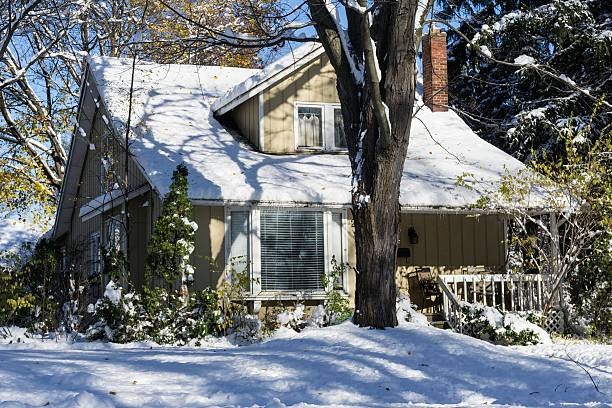
As the colder months approach, homeowners face the annual challenge of preparing their homes for winter. One critical area often overlooked is the fuel system, which plays a central role in maintaining a warm and safe indoor environment. Proper maintenance of heating systems, including checking for leaks, inspecting tanks, and ensuring efficient operation, can prevent unexpected breakdowns during freezing temperatures. Understanding the basics of your home’s fuel system enables better planning and energy management, reducing risks and enhancing overall comfort throughout the season.
For those relying on fuel-based heating, including cash heating oil, it’s important to monitor supply levels and schedule timely deliveries. Ensuring your fuel system is in good working order not only supports consistent home heating but also helps protect against potential hazards. By taking these steps early, homeowners can enjoy a safe, reliable, and stress-free winter season.
Schedule a Professional Inspection
Before winter arrives, schedule a comprehensive inspection of your heating equipment with a certified technician. A professional service visit involves cleaning critical components, checking for potential issues, and ensuring your system operates at peak efficiency. Beyond protecting your investment, regular inspections reduce the risk of emergency malfunctions when you’re most dependent on heat. According to the U.S. Department of Energy, these yearly checkups can extend the lifespan of furnaces, boilers, and related systems while minimizing energy waste.
Inspect Fuel Storage Tanks
For homes utilizing oil heat, the condition of your fuel storage tank is especially important at the onset of winter. Examine exterior tanks for any signs of wear, including rust, bulges, or seepage, as these can lead to hazardous spills or leaks. The New York State Department of Environmental Conservation emphasizes the environmental and legal implications of neglected tanks, underscoring the importance of thorough pre-winter inspections. Be proactive with necessary repairs or replacements, and always keep the area around your tank clear and accessible.
Test Carbon Monoxide Detectors
Heating appliances that burn oil, gas, or wood require vigilant monitoring for carbon monoxide (CO). Install CO detectors on each floor and near all sleeping quarters, and make testing them part of your monthly routine. Change batteries annually and replace detectors according to manufacturer recommendations. The Consumer Product Safety Commission stresses this practice to avoid fatal but preventable incidents related to CO exposure—especially with increased heater usage during winter.
Seal Air Leaks and Insulate
Efficiency improvements can make a significant difference in both warmth and overall costs. Drafts from gaps around windows, doors, attic hatches, and utility penetrations allow precious heat to escape. Sealing these leaks with caulk or weatherstripping is an easy, high-impact way to boost comfort and savings. Additionally, fortifying insulation in attics, basements, and crawlspaces creates a barrier that keeps warm air inside. According to Consumer Reports, these improvements can reduce heating bills by up to 20% over the course of a season.
Use Space Heaters Wisely
Space heaters offer targeted warmth to supplement your primary heating system, but must be used with strict safety precautions. Only use models with automatic shut-off features and tip-over protection, and always keep heaters at least three feet from flammable materials such as bedding, curtains, and furniture. Never leave a space heater running while unattended or sleeping. According to the National Fire Protection Association, space heaters are a leading cause of home fire injuries, making safe usage practices essential during the winter months.
Maintain Chimneys and Fireplaces
Chimney and fireplace maintenance is crucial if a wood-burning stove or fireplace is part of your heating routine. Creosote buildup can cause dangerous chimney fires, so schedule a professional cleaning before you light your first fire of the season. Inspect flues and dampers for correct operation, and ensure that each fireplace has a secure spark screen or glass door. Proper care guarantees not only comfort but also fire safety.
Prepare for Power Outages
Winter weather can lead to sudden or prolonged power outages. Stock up on essentials such as flashlights, batteries, blankets, and shelf-stable foods. A backup generator can be a lifesaver, but it must always be used outdoors and away from windows and vents to prevent carbon monoxide hazards.
Conclusion
By taking these straightforward steps now, you secure a warm, efficient, and safe home environment through the chills of winter. Regular care of your fuel systems and heating appliances, combined with energy-conserving strategies and essential safety upgrades, allows you to enjoy the season while avoiding preventable problems and emergencies. Invest in preparation today for a stress-free winter of comfort.