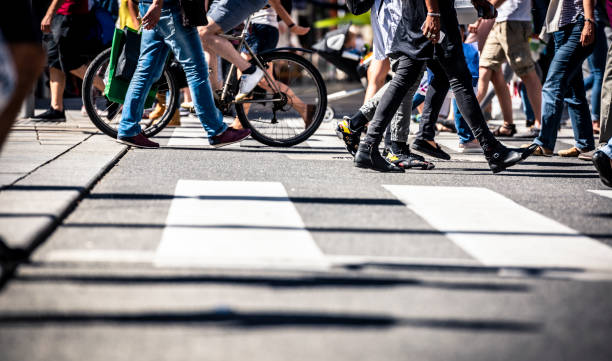
In 2023, Los Angeles reached a grim milestone. More people died in traffic accidents, 336, than in homicides, 327. Pedestrian fatalities made up more than half of those deaths, marking a 13 percent increase compared to the year before. For children, the picture was especially grim. Traffic collisions were the leading cause of death for those aged two to fourteen, and many of those deaths were children walking.
This crisis is not unique to the City of Angels. Across the United States, pedestrian deaths have surged over the past decade, rising by about 50 percent since 2013. Cities large and small are struggling with the same challenges. These statistics all point to a growing pedestrian safety crisis on our nation’s streets.
The Rise in Pedestrian Accidents is a Nationwide Problem
Major cities across the country are facing similar challenges.
- San Francisco also recently reported more traffic accident deaths than homicides.
- Chicago, Phoenix, and Houston have seen rising pedestrian fatalities, especially on wide, high-speed major roads.
- New York City shows a mixed record. Early safety gains followed speed limit changes and some infrastructure redesigns, but recent years have seen setbacks. The overall trend today is not where it should be.
What Are the Main Causes of Pedestrian Accidents?
Several factors, some familiar, others more recent, contribute to the increase:
- Larger vehicles: SUVs and trucks are more dangerous to pedestrians due to their higher front ends.
- Distracted driving: Using smartphones behind the wheel remains a significant contributor to crashes.
- Distracted walking: Pedestrians looking at their phones may be unaware of oncoming traffic.
- Outdated infrastructure: Many roads were designed decades ago for cars, not for pedestrians. Wide lanes, a lack of lighting, and limited crosswalks leave people exposed.
Tackling Poor Pedestrian Infrastructure
The idea of making city streets safer and more walkable is relatively recent. While some improvements have yielded results, there is still much work to be done. One problem is that many cities face budget shortfalls that hinder implementing these safety measures.
Los Angeles is a prime example of how outdated infrastructure and budget cuts collide. Whether it’s parents walking children to school or seniors attempting to cross wide boulevards, they often face speeding cars, faded crosswalks, broken streetlights, and sidewalks in poor condition. LA received state funds in 2023 to improve routes to 21 schools, but staffing shortages have delayed completion to 2028.
Success Stories Show Pedestrian Safety Can Be Improved
When it comes to pedestrian accidents, it’s not all bad news. Some cities have reversed the trend:
- Seattle reported its lowest pedestrian fatality count in years in 2024, with ten deaths, and zero cyclist deaths. Officials credit improvements on high-crash corridors and an expansion of speed cameras.
- Austin, Texas redesigned Barton Springs Road with safer crossings, lane changes, and bike/pedestrian infrastructure. Within a year, crashes fell by 17 percent and speeding dropped sharply.
- Queens Boulevard in New York City, once known as the “Boulevard of Death,” saw a significant drop in fatalities after the city narrowed lanes, added pedestrian islands, and improved signal timing.
Reducing Pedestrian Accident Injuries and Deaths
The lesson from these examples is that solutions exist, but they require consistent efforts. Government policies that have been shown to work include:
- Lowering speed limits in cities
- Redesigning dangerous intersections and roads
- Adding better lighting and signage
- Enforcing traffic laws more effectively
- Collecting data to identify and address problem areas
Attorney J.J. Dominguez of The Dominguez Firm addresses the worst-case scenario. “Even when you are paying attention, a driver’s mistake can leave you with devastating injuries. If you are seriously hurt in a pedestrian accident, hiring an experienced pedestrian accident lawyer right away gives you the best chance to recover the full compensation you need.”
The rise in pedestrian deaths across the United States is a serious issue that affects every community. Reversing this trend will require leadership, planning, and a complete focus on safety first. Walking should not be one of the most dangerous parts of everyday life in America.