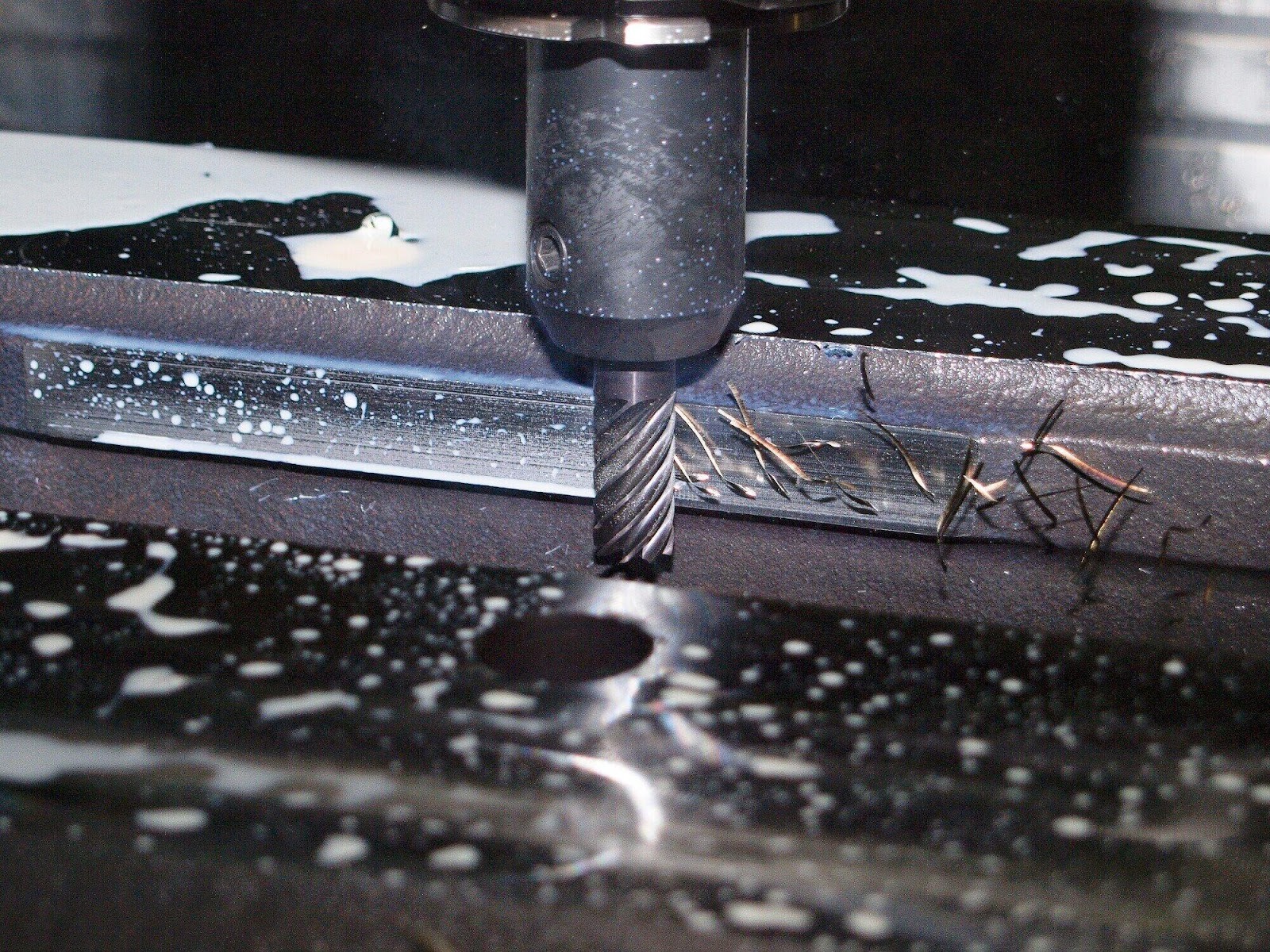
Imagine a world where every machine part is made with perfect accuracy. Conventional machining makes this possible by turning raw materials into carefully crafted pieces used in cars, airplanes, and many other technologies.
In this article, we will look at the main machining techniques that improve precision, speed, and quality in different manufacturing processes.
Understanding Conventional Machining
Conventional machining is a process where material is removed from a piece to shape it into the final product. The most common methods are turning, milling, drilling, and grinding.
Each of these has its own uses and benefits. Learning how and when to use them is important for creating accurate and high-quality parts.
Key Techniques to Enhance Precision
To get the best results in conventional machining, operators need to follow some important steps. First, choosing the right cutting tools is key. The tool must match the material and type of work being done.
Next, proper setup and alignment make sure the piece is in the correct position. This is because even small mistakes can cause bad cuts and wasted materials.
It’s also important to set the right cutting speed, feed rate, and depth of cut for both the tool and the material. Finally, using the right coolant helps reduce heat and friction. This makes tools last longer and keeps the cuts accurate.
Common Challenges in Conventional Machining
Even skilled machinists face challenges when trying to make precise cuts. One challenge is material variability, since different materials react in different ways during cutting. Machinists need to adjust their methods depending on the material.
Another issue is tool wear. Cutting tools can become dull over time. This makes them less accurate.
That’s why regular checks and replacements are important. Environmental factors, like changes in temperature or humidity, can also affect how materials behave and impact results.
By understanding these challenges, machinists can plan ahead and use strategies to reduce problems. This ensures their work stays accurate and consistent.
The Role of Technology in Precision Machining
Technology has greatly improved conventional machining. One big change is the use of CNC (Computer Numerical Control) machines. This can do precise work automatically and repeat it perfectly.
These machines can follow detailed designs with great accuracy. It reduces mistakes and increasing productivity.
Modern software also helps by simulating the machining process before it starts. This lets operators see possible problems ahead of time and fix them. It makes the whole process smoother and more efficient.
The Future of Precision in Conventional Machining
With advancements in technology, the future of conventional machining seems brighter. Automation and digital integration are revolutionizing traditional practices.
Consider the growing interest in manual machining services in Kansas. This focuses on maintaining traditional techniques while harnessing modern technologies. This ensures that key precision principles are upheld.
Your Path to Precision
If you want to improve your machining skills, it’s a good idea to get help from experts. Their experience can guide you through the difficult parts of conventional machining and help you reach a higher level of precision. With the right techniques and support, you can make your machining work better, improve quality, and run your business more efficiently.
For more tools and equipment tips, check out our blog posts.