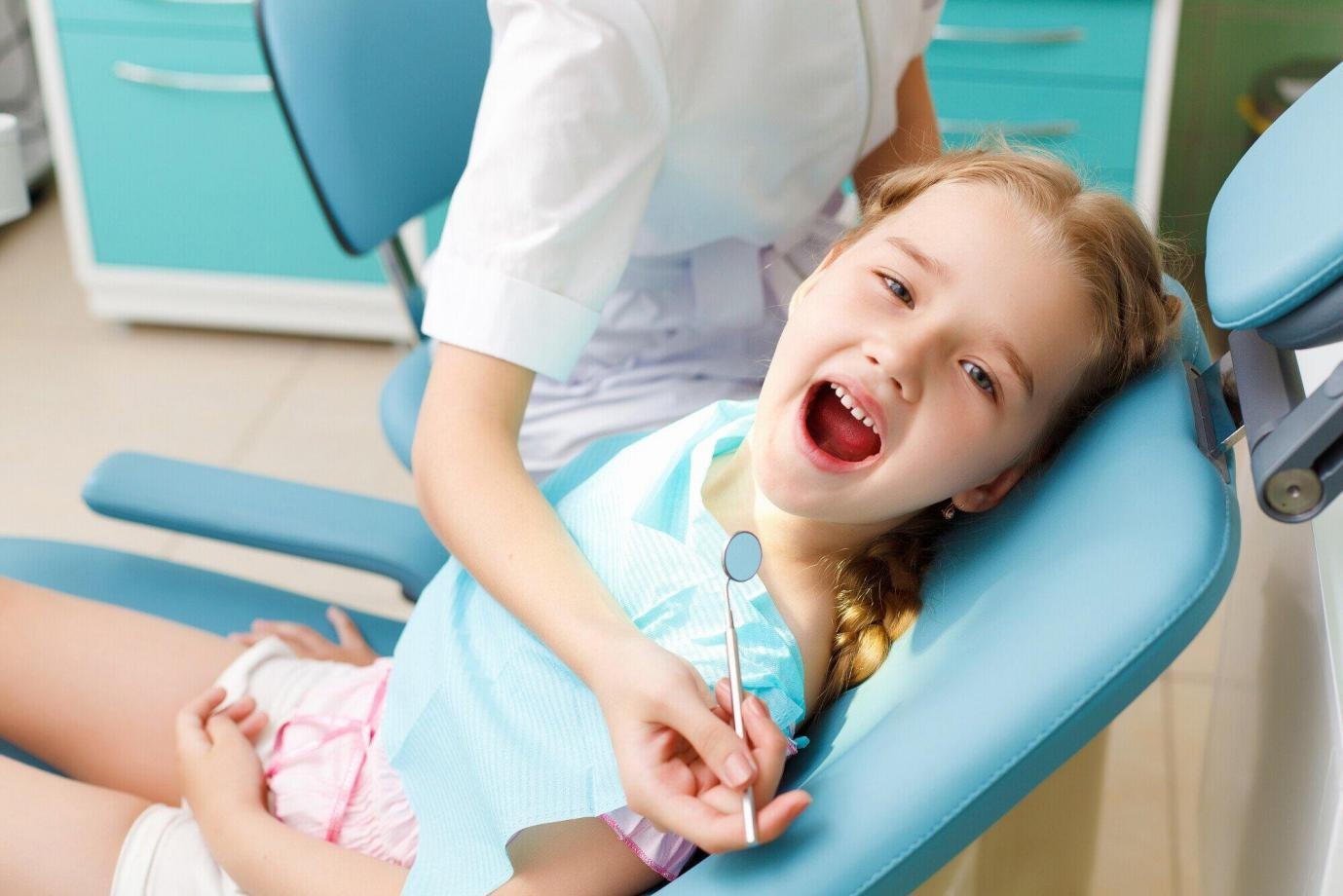
Helping kids develop strong dental habits starts at a young age. Every parent wants their child to grow up with a healthy smile. But how do you make brushing and flossing fun?
How can you teach kids the value of caring for their teeth? Small steps can lead to lifelong habits. Dental care doesn’t have to feel like a chore.
It can be easy and enjoyable. Good habits now can prevent pain later. Protecting your child’s smile starts at home.
Ready to improve your child’s dental routine today? Keep reading.
Start Early With Baby Teeth
Before the first tooth erupts, dental care should start. A fresh, moist cloth should be used to wipe your baby’s gums. This eliminates microorganisms and fosters good dental hygiene at a young age.
Once teeth erupt, use a soft-bristled baby toothbrush. Brush gently with just water until age two. At that point, introduce a tiny amount of fluoride toothpaste.
Even though baby teeth fall out, they matter. They help with chewing and speech. They also hold space for adult teeth.
Regular brushing keeps gums and teeth healthy. Make it a routine part of the day, morning, and night.
Don’t let your infant use a bottle to fall asleep. Plan your child’s first dental appointment by the time they become one year old, as it may result in tooth decay, also referred to as “baby bottle mouth.”
Early dental visits build trust with the dentist. Start small, stay consistent, and keep it positive. Early care creates the base for healthy smiles later.
Choose the Right Toothbrush and Toothpaste
Selecting the right tools is crucial for effective brushing. Choose a toothbrush with soft bristles and a small head. This makes it gentle on the gums and easier to maneuver.
Let your child pick a fun color or character brush. This can make brushing more exciting. Replace toothbrushes every three months or after illness.
For toothpaste, use fluoride toothpaste approved by dental professionals. Kids under three need a smear the size of a rice grain. From ages three to six, use a pea-sized amount.
Teach your child not to swallow the paste. Supervise brushing until they can rinse and spit properly.
Using the correct brush and toothpaste helps clean better. It also makes kids more likely to enjoy the task. Brush twice daily for at least two minutes each time.
Your child will follow your lead-show them how it’s done. The right tools mean better habits and healthier teeth for years.
Make Brushing and Flossing Fun
Turn brushing and flossing into a game kids love. Use songs or timers to make brushing last two full minutes. Some apps even reward kids for brushing well.
Let them choose their toothbrush and toothpaste flavor. Flavored toothpaste can make the routine more enjoyable. Flossing can start once the teeth touch each other.
Use kid-friendly flossers with fun shapes and handles. Turn it into a family activity-brush together in the morning or at night. Praise your child for doing a good job.
Stick charts with rewards work well for some kids. Don’t scold them for mistakes-teach gently instead. If they miss a spot, show them how to fix it.
Build consistency with a set routine. Keep it positive, and they’ll stay interested. Fun brushing time equals less fuss and more smiles.
Establish a Consistent Dental Routine
Consistency is key when building lifelong dental habits. Set specific times each day to brush and floss. Morning and bedtime routines help kids know what to expect.
Use the same steps every time-brush, floss, rinse. Routine builds confidence and reduces resistance. Avoid skipping brushing, even if the child is tired.
Create a checklist so kids can mark each task. Visual schedules work well for younger children. Encourage independence while still supervising.
Set a timer so they brush for the full two minutes. Stick to your routine even on weekends or vacations. Avoid giving in when they refuse-stay firm but kind.
Let them see you care about your dental routine. Lead by example, and they will follow. A consistent plan leads to better long-term dental health.
Once it’s a habit, brushing becomes automatic. Structure now prevents dental issues later. Keep it steady, and they’ll thank you someday.
Limit Sugary Snacks and Drinks
Too much sugar harms your child’s teeth quickly. Candy, soda, and juice lead to plaque buildup and decay. Bacteria in the mouth feed on sugar, creating harmful acid.
Choose water over sugary drinks whenever possible. Offer snacks like cheese, fruits, and vegetables. These help clean the teeth and improve saliva flow.
Avoid sticky treats like gummies or dried fruit. They stay on teeth longer and cause more damage. If your child eats sweets, have them brush afterward.
Teach them to rinse their mouth with water if brushing isn’t possible. Read nutrition labels to check sugar content in foods. Many snacks labeled “healthy” are still high in sugar.
Limit snacking between meals to give your teeth a break. Make sugary items a rare treat, not a daily habit. Less sugar means fewer cavities and less dental pain.
Schedule Regular Dental Checkups
Dental checkups catch problems early before they become serious. Kids should visit the dentist every six months. These visits include cleanings and fluoride treatments.
Dentists also check for cavities and gum issues. They can apply sealants to protect back teeth from decay. Regular visits help your child feel comfortable at the dental office.
The earlier you start, the better they adjust. Bring comfort items to help nervous children relax. Praise them after the visit to build confidence.
Follow the dentist’s advice for home care. Ask questions if you’re unsure about anything. Keeping regular appointments shows kids that dental care matters.
Don’t wait for a toothache-stay ahead of problems. Good checkups mean healthy teeth and fewer dental costs later. Your child will feel proud of their clean smile.
Make dental visits part of your normal routine. Preventing issues is always easier than fixing them.
Be a Role Model for Good Habits
Kids watch what you do more than what you say. If you take care of your teeth, they’ll likely follow. Let them see you brush and floss daily.
Talk positively about your dental care routine. Never complain about going to the dentist in front of them. Show excitement when it’s time for your appointment.
Be honest if you’re nervous, but stay encouraging. Practice brushing together as a family. Let older siblings help younger ones if needed.
Praise their effort and celebrate good habits. Keep your toothbrush clean and in good condition. Show that dental care is important to everyone.
Children copy behaviors they see often. Make sure you’re sending the right message. Be the example they can look up to.
Teach Proper Brushing Techniques
Proper technique is more important than brushing hard. Use gentle circles rather than back-and-forth motions. Teach your child to brush all surfaces-front, back, and chewing sides.
Show them how to angle the brush toward the gum line. Encourage brushing the tongue too-it helps with fresh breath. Two minutes is the recommended brushing time.
Use a timer or brushing song to guide them. You can even use apps that track brushing progress. Supervise until your child can brush effectively on their own.
Usually, kids need help until around age 7 or 8. Watch for missed spots and offer friendly reminders. Don’t rush; slow brushing is more effective.
Practice together and correct mistakes kindly. Reinforce good habits with praise or small rewards.
Make learning fun and never stressful. The right method prevents plaque buildup and gum issues.
Floss Daily and Correctly
Flossing is often skipped, but it is just as vital as brushing. Food particles get trapped between teeth and cause cavities. Start flossing once your child has two teeth that touch.
Use child-friendly floss picks for easier handling. Show them how to gently slide floss between teeth. Avoid snapping or forcing it, which can hurt gums.
Teach them to curve the floss around each tooth. This removes plaque better than straight flossing. Flossing at the same time each day, after brushing works best.
Make it part of the bedtime routine. Let them practice on dolls or stuffed animals first. Encourage small progress and celebrate effort.
Supervise until they develop proper technique. Most kids need help with flossing until age 10. When done correctly, flossing reduces cavities and gum disease.
Good flossing now means fewer dental problems later. Make it as important as brushing in your daily schedule.
Understand the Importance of Pediatric Cosmetic Dentistry
Children can also benefit from dental cosmetic solutions. Pediatric cosmetic dentistry helps improve both appearance and function. Some kids feel embarrassed about chipped, discolored, or misshapen teeth.
Fixing these issues early boosts confidence in school and social settings. Procedures include bonding, whitening (for older teens), and contouring.
Dentists use safe, age-appropriate methods designed for growing teeth. It’s not just about looks-it also aids speech and chewing. Healthy-looking teeth can motivate kids to care for them.
Cosmetic fixes can prevent teasing or bullying at school. Choose a pediatric dentist who specializes in these procedures. Look for services offered by trusted pediatric dental providers specializing in cosmetic treatments for children.
Their gentle approach helps kids feel calm and safe. These treatments are carefully planned to protect developing mouths. Always consult with your dentist about the right timing.
When used wisely, cosmetic dentistry supports both health and happiness. It’s a smart part of modern dental care for kids.
Know the Signs of Dental Problems Early
Spotting issues early prevents pain and complex treatments later. Watch for swollen gums, bad breath, or tooth sensitivity. If your child avoids chewing on one side, check for discomfort.
White spots on teeth may signal early decay. Loose teeth outside the normal age range need attention. Unusual speech changes could indicate mouth issues.
Sores that don’t heal in a week are a concern. Sudden mood shifts might be linked to dental pain. Don’t wait for a toothache-act on small signs early.
Keep records of what you notice and report it to the dentist. Early care can prevent more serious problems later. Parents are the first line of defense in dental health.
Know what’s normal and what isn’t in your child’s mouth. Prompt action can save money and protect your child’s smile.
Handle Dental Anxiety With Patience
Many kids fear the dentist, especially at first. Fear often comes from the unknown or past bad experiences. Prepare your child by explaining what to expect.
Use simple, honest language and stay calm. Avoid saying words like “pain” or “hurt.” Read children’s books or watch videos about dental visits.
Choose a pediatric dentist who knows how to ease fears. Let your child bring a toy or blanket for comfort. Stay with them during the appointment if allowed.
Praise their bravery afterward with positive words. Never scold them for being scared. Support is key. Over time, positive visits build confidence.
Talk about the dentist like a friend, not a threat. Teach them that dental care is normal and important.
Your calm attitude makes a big difference in how they react. With patience and preparation, fear fades and comfort grows.
Protect Teeth During Sports and Play
Active kids are prone to dental injuries during play. Use mouthguards during sports like basketball, soccer, and skating. A custom-fit mouthguard offers better protection than store versions.
Ask your dentist for recommendations based on your child’s needs. Teach your child never to chew on hard items like ice. Avoid using teeth to open packages or bottles.
Accidents happen, but protection lowers the risk. If a tooth is knocked out, see a dentist right away. Store the tooth in milk and bring it to the appointment.
Quick action can sometimes save the tooth. Regular dental visits also check for signs of wear or trauma. Keep playtime safe by encouraging good dental habits.
Helmets, guards, and common sense protect growing smiles. It’s easier to prevent injuries than fix them. Stay active but stay safe, teeth are worth protecting.
Dental Care: Help Your Child Build a Lifetime of Smiles
Dental care for kids takes patience, knowledge, and daily effort. Simple habits now can prevent major issues down the line. Start early, stay consistent, and make routines fun.
Choose the right tools, teach proper technique, and be a role model. Support your child during dental visits and when anxiety strikes.
Limit sugar, encourage sports safety, and seek help when problems appear. Remember, pediatric cosmetic dentistry can also boost confidence and health.
Regular dental check-ups are crucial for maintaining your child’s oral health. Finding a reliable dentist who understands children’s needs can make a significant difference. If you’re in the area, consider visiting a dentist Rexburg to ensure your child receives the best care possible. These professionals are skilled in making dental visits a positive experience, helping to alleviate any anxiety your child might have. By choosing a dentist who prioritizes a kid-friendly approach, you can foster a lifetime of healthy dental habits and a positive attitude towards oral hygiene.
Did you find this article helpful? If so, check out the rest of our site for more informative content.