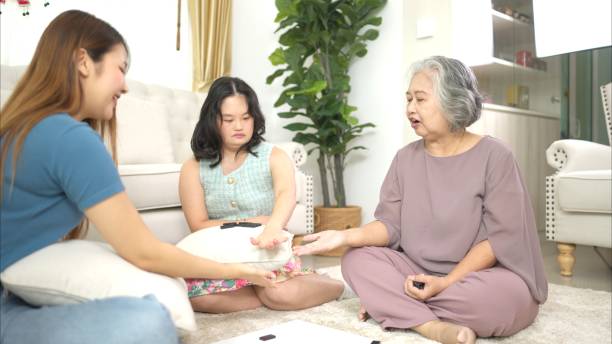
Are you prepared to care for an elderly loved one at home? Home-based elderly care is becoming more important as families want to keep loved ones comfortable.
Providing care at home requires planning, tools, and support. It is not always easy, but it can be very rewarding. If you want to ensure your family member stays safe and happy, start preparing today.
Read on to learn the key essentials every family needs for effective home care.
Safe Home Environment
The first step in home care is making the house safe. Remove any loose rugs or cords that can cause falls. Ensure floors are clean and free from clutter.
Install handrails in bathrooms and along stairs. Good lighting is essential in hallways and rooms. Check that furniture is sturdy and easy to use.
Safety is the foundation of elderly care at home. A safe environment reduces accidents and gives peace of mind to both the elderly and caregivers.
Even small changes, like non-slip mats, night lights, and grab bars, make a big difference. Families should also ensure that emergency exits are clear and accessible at all times.
Medical Equipment
Medical equipment is often needed for home care. Wheelchairs, walkers, and canes help with mobility. Blood pressure monitors, thermometers, and medication organizers are useful.
Families should also have first aid kits readily available. Some elderly people may need oxygen machines, special beds, or suction equipment.
Having the right equipment makes care easier and safer. It also helps caregivers provide proper support daily.
Families should know how to use each piece of equipment correctly. Regular maintenance and checks prevent problems and ensure everything works when it is needed most.
Personal Care Items
Elderly care requires many personal care items. Bathing supplies, adult diapers, and skin creams are essential. Toothbrushes, hairbrushes, and grooming tools keep your loved one comfortable. Using the right products prevents infections and discomfort.
Make sure items are easy to reach and use. Personal care is a daily need that improves quality of life.
Organizing items in one place helps caregivers work efficiently. Even small touches, like soft towels and comfortable clothing, can make daily routines more pleasant.
Nutrition and Meal Support
Good nutrition is important for elderly health. Prepare meals that are balanced and easy to eat. Soft foods may be needed for those with chewing or swallowing problems.
Ensure there is enough water intake each day. Meal planning and preparation help prevent malnutrition. Families can use meal delivery services if cooking is difficult.
Healthy meals support energy, immunity, and overall well-being. Keeping a food diary helps track dietary needs and ensures consistency. Offering favorite foods in small portions encourages appetite and enjoyment, making mealtime more pleasant.
Medication Management
Many elderly require multiple medications. Keep a daily schedule to avoid missed doses. Use pill organizers or alarm reminders.
Keep medicines in a safe place and check expiration dates. Families should know how each medication works and its possible side effects. Proper medication management prevents health complications.
Caregivers must be consistent and attentive. Regular reviews with a doctor or pharmacist ensure that medications remain safe and effective. Clear labeling and instructions also reduce confusion and prevent mistakes.
Mobility and Exercise
Physical activity is important even at home. Gentle exercises like stretching and walking improve strength and balance. Encourage safe movement to prevent stiffness and falls.
Exercise also boosts mood and overall health. Caregivers can help set a daily routine for activity. Adapt exercises to the elderly person’s ability.
Even simple movements like lifting arms or moving legs while seated can make a big difference. Daily activity helps maintain independence and reduces the risk of injury. Incorporating light exercises during daily tasks is also effective and keeps seniors engaged.
Social Interaction
Loneliness can affect elderly health. Arrange visits from friends and family. Engage in hobbies, games, or music that the elderly enjoy.
Social contact helps mental health and reduces depression. Even phone or video calls can be helpful. Families should encourage regular interaction.
Social engagement keeps life meaningful and enjoyable. Small activities like reading together or watching favorite shows create bonding moments. Encouraging conversation, laughter, and shared activities improves mental well-being and emotional connection.
Professional Support
Sometimes families need professional help. Nurses, physiotherapists, or caregivers can assist with special needs. Some families hire experts for part-time or full-time help.
For example, trusted services like live in care Taunton can provide trained caregivers to support daily needs. Professional support ensures care is consistent and safe. It also reduces stress for family members.
Professionals can advise on medication, nutrition, and exercise. Their experience can guide families to make better decisions for their loved ones. Hiring professionals also provides relief for family caregivers, preventing burnout.
Emergency Preparedness
Emergencies can happen at any time. Keep important phone numbers visible, like doctors, hospitals, and emergency services. Have a plan for sudden illness, falls, or accidents.
First aid knowledge is important for caregivers. Prepare an emergency kit with medicines and basic supplies. Being ready for emergencies improves safety and confidence.
Families should practice emergency drills and know what to do in different situations. Quick action in emergencies can prevent serious harm and reduce panic. Having a clear plan reassures both the elderly and caregivers.
Comfort and Mental Well-being
Comfort and mental health are essential in home care. Make the home environment cozy and familiar. Soft blankets, favorite chairs, and personal items help.
Encourage activities that bring joy and relaxation. Listen and spend quality time with your loved one. Emotional support reduces stress and improves life quality.
Families should focus on both physical and emotional well-being. Small gestures, like talking, singing, or playing music, can make a big difference. Feeling valued and supported enhances overall happiness and strengthens family bonds.
Learn More Home-Based Elderly Care
Home-based elderly care requires planning, tools, and support. Safe spaces, medical equipment, and proper nutrition are key. Social interaction, exercise, and professional support improve overall well-being.
Families can provide comfort, safety, and happiness with proper preparation. Caring for an elderly loved one at home can be rewarding and meaningful.
Looking for more tips and ideas? We’ve got you covered. Check out some of our other posts now.