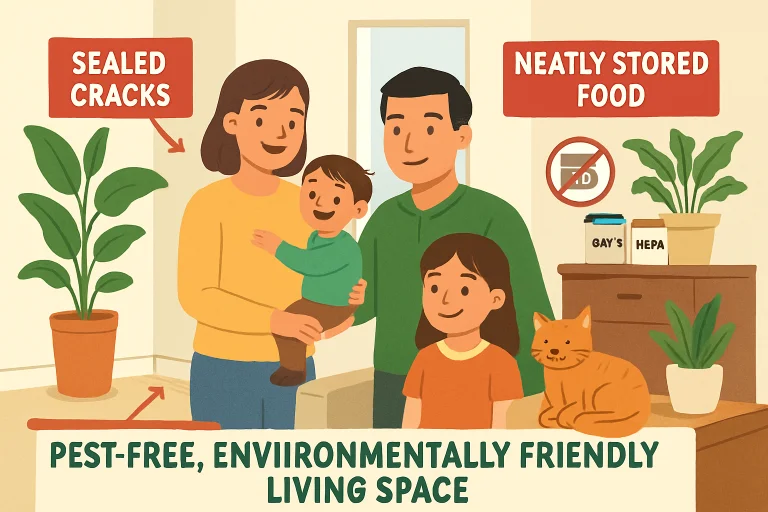
Creating and maintaining a pest-free home is essential for health, safety, and peace of mind. Many people turn to traditional pest removal solutions, but these options often involve repeated use of chemical pesticides that may affect not only pests but also residents and pets. Fortunately, more sustainable alternatives exist. Integrated Pest Management (IPM) takes a holistic, science-based approach that emphasizes long-term prevention and thoughtful solutions. For homeowners concerned about deeper ecological impact, Concord wildlife control programs for long-term prevention offer practical strategies as part of a comprehensive plan.
IPM moves away from a one-size-fits-all approach to treatment by integrating multiple tools and methods. The approach prioritizes identifying and mitigating the root causes of pest problems. Generally, chemical controls are only used as a last resort, with most problems addressed through environmental modifications, monitoring, and exclusion tactics. This makes IPM a smart solution not only for residents, but also for property managers and community organizers who prioritize health and ecological balance.
Because pest infestations can introduce allergens and pathogens into living spaces, effective prevention strategies, such as those behind IPM, can significantly improve indoor environments. Families with asthma, allergies, or pets are especially likely to benefit, as reducing chemical residues and pest-related debris helps maintain a healthier and more comfortable home.
Understanding Integrated Pest Management
Integrated Pest Management is not a product or a single action. Rather, it is a strategic process that draws on multiple disciplines to prevent, monitor, and manage pests. The foundation elements of IPM include:
- Prevention: Correcting conditions that attract pests, such as eliminating excess moisture or securing food sources.
- Monitoring: Routinely checking for early signs of pest activity in vulnerable areas.
- Control: Applying non-chemical solutions first, resorting to low-toxicity controls only when absolutely necessary.
This approach ensures pest management is effective both immediately and in the future, reducing the need for harsh interventions. According to the Environmental Protection Agency, IPM strategies are crucial for protecting sensitive populations, such as children and pets, from unnecessary exposure.
Health Benefits of IPM
Pests can be more than a nuisance. Substances left behind by cockroaches and rodents trigger powerful allergic reactions and can even worsen asthma in vulnerable individuals. Dust mites and their allergens are another common concern in homes. A key aspect of IPM is minimizing the use of chemical insecticides that may linger after application, ensuring healthier air quality for all residents. For families with pets and young children, eliminating chemical residues is an important aspect of home safety. IPM’s reliance on prevention and exclusion limits the need for reactive chemical approaches.
Environmental Advantages
Reducing pesticide dependency benefits ecosystems beyond your immediate living space. The overuse of broad-spectrum insecticides can damage pollinator populations, disrupt food webs, and contaminate water resources. An IPM-based strategy preserves beneficial insects and microbial soil life, maintaining overall ecological health. Nature-based approaches, such as encouraging natural predators or using targeted traps, help promote a more sustainable environment.
Economic Considerations
While introducing IPM practices may involve some upfront effort, these methods nearly always save money over time. Effective exclusion and prevention limit long-term structural damage and repeated service calls. Additionally, reducing the frequency and volume of pesticide applications lowers both material expenses and labor costs. Commercial businesses and property managers often find that integrating IPM as a standard practice leads to fewer tenant complaints and lower liability.
Implementing IPM in Your Home
- Inspection: Conduct regular, thorough checks of baseboards, cabinets, attics, and crawl spaces for signs of activity, such as droppings or gnaw marks.
- Sanitation: Remove debris and store food in pest-proof containers. Repair leaky pipes and clear clutter, especially in basements and kitchens.
- Exclusion: Seal any visible cracks or holes in foundations, weatherstrip windows, and ensure door sweeps are intact.
- Biological Controls: Where feasible, encourage beneficial predators and use nature-based deterrents.
- Mechanical Controls: Set traps or deploy screens as physical barriers against pest entry.
Following these principles helps homeowners proactively deter a wide range of pests and provides a safer, more comfortable home environment.
Community Impact
When communities adopt IPM, the results reach beyond individual households. Widespread reductions in pesticide use mean cleaner drinking water, fewer harmful residues in shared outdoor spaces, and improved local biodiversity. IPM programs in schools, apartment complexes, and neighborhoods support improved public health by limiting the spread of disease and environmental contamination. Many cities now encourage or mandate IPM practices as part of broader urban sustainability goals.
Final Thoughts
Integrated Pest Management delivers a holistic and balanced approach to pest control by emphasizing prevention, smart monitoring, and limited chemical use. Whether you are looking to safeguard your home, workplace, or community, IPM strategies can help you enjoy cleaner, safer, and healthier living spaces. As public awareness and demand for sustainability grow, IPM provides a proven path toward effective, responsible pest management and the well-being of all who share your environment.