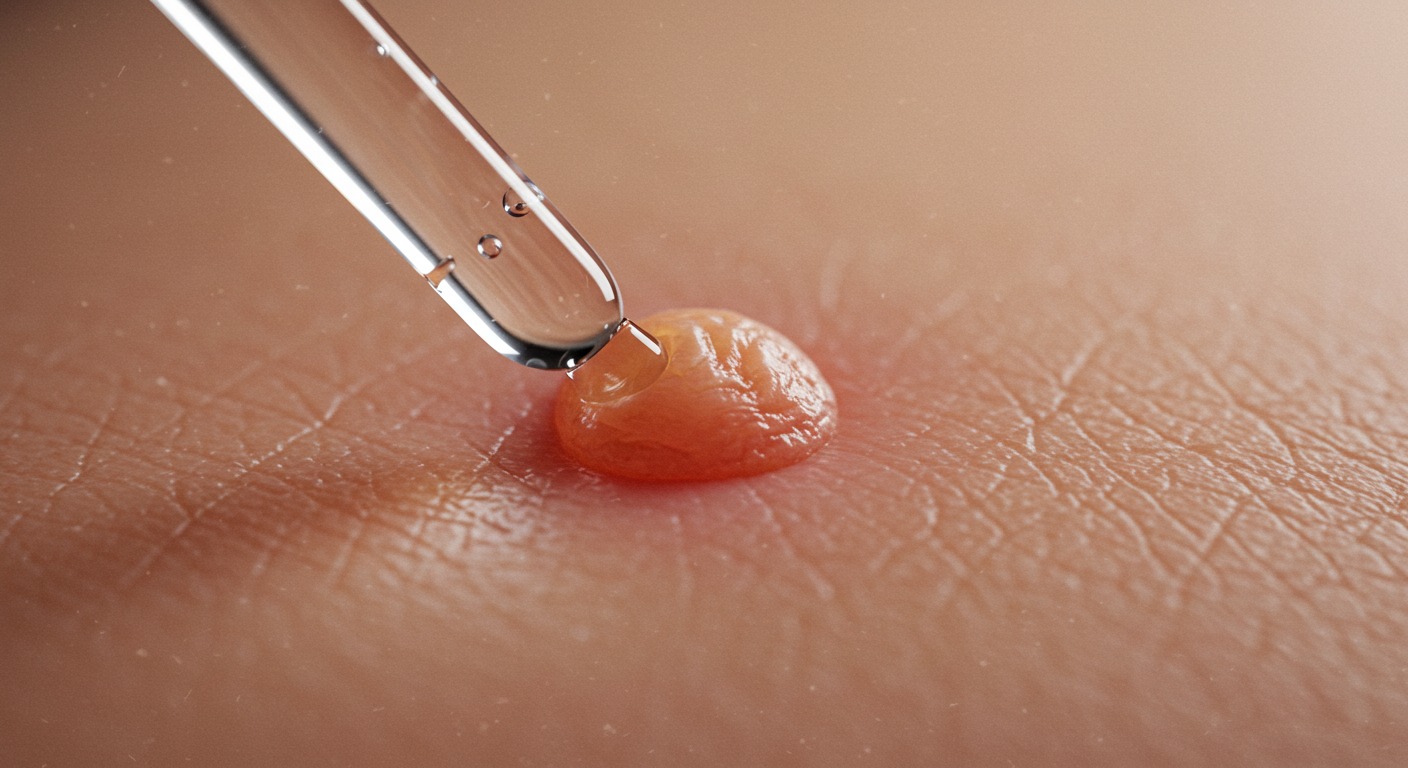
Warts can be more than just an annoying skin condition; they can impact your confidence and make everyday activities uncomfortable. Whether you’ve recently gone through warts removal or are considering it, one of the most common concerns is: How can I prevent warts from coming back?
What Are Warts and How Are They Removed?
Warts are small growths caused by the human papillomavirus (HPV). They often appear on the hands, feet, and other parts of the body and can range from being mildly annoying to causing significant discomfort.
When it comes to wart removal, there are various methods available, such as cryotherapy (freezing), laser treatment, salicylic acid applications, and even surgical procedures. While wart removal is usually effective, the recurrence of warts is not uncommon. Understanding why warts can return is crucial to preventing their return after you’ve had them removed.
Why Do Warts Return After Wart Removal?
Warts can return after removal due to a variety of reasons. The most significant reason is the persistence of the virus, HPV, which might still be present in the skin. Even after a wart is removed, microscopic traces of the virus can linger in the skin cells, making it easier for the wart to return.
This is why follow-up care is so important. Additionally, warts can spread through contact, and if the skin is not properly cared for after removal, new warts may form in the same or nearby areas. Another factor to consider is your immune system. If your body isn’t able to fight off the virus effectively, warts are more likely to return.
Proper Skin Care After Warts Removal
One of the most important steps in preventing warts from returning is taking care of your skin after the removal process. If you’ve undergone warts removal, your skin will be healing, and it’s crucial to keep the area clean and free from potential infection. After the procedure, follow your healthcare provider’s instructions carefully.
Typically, you’ll be advised to keep the area dry and clean for a certain period. Using gentle soaps and avoiding harsh chemicals will allow your skin to heal faster. Additionally, avoid picking at or scratching the area, as this can lead to the reintroduction of the virus into your skin. You should also avoid exposing the treated area to moisture or direct sunlight during the healing phase.
Boosting Your Immune System to Prevent Warts After Warts Removal
Your immune system plays a key role in fighting off HPV virus, making it essential for preventing warts from returning. A balanced diet rich in vitamins and minerals, especially vitamin C, can boost your immune function. Citrus fruits, leafy greens, and berries are great options.
Stay Hydrated
Drinking enough water each day supports overall skin health and helps flush out toxins from your body. Staying hydrated is crucial for preventing warts after wart removal.
Consider Immune-Boosting Supplements
Supplements like zinc and echinacea can help strengthen your immune system. Before adding any new supplements, be sure to consult your doctor.
Get Regular Exercise
Exercise is another powerful way to boost your immune function. Regular physical activity improves circulation and encourages the production of white blood cells, helping to fight infections like HPV. Whether it’s walking, yoga, or a full-body workout, staying active supports your body’s defenses.
Preventing HPV Re-exposure After Warts Removal
Warts are contagious, so it’s important to minimize the risk of re-exposure to HPV after removal. The virus thrives in warm, moist environments, which means places like locker rooms, public showers, and pools can increase your chances of coming into contact with it. If you frequent these areas, be sure to wear protective footwear, like sandals or flip-flops, to prevent direct contact with the virus.
In addition, avoid sharing personal items such as towels, razors, or socks, as the virus can spread through these surfaces. If you’re in a household or work environment where others have warts, it’s crucial to maintain hygiene by disinfecting common areas and surfaces regularly. Regular hand washing is also an effective way to reduce the spread of the virus.
Choose the Right Footwear and Clothing for Warts Prevention
Protect Your Feet
Wearing breathable shoes is essential for preventing warts, especially on your feet. Tight, closed shoes can create a warm, moist environment that promotes the growth of bacteria and the spread of HPV. Opt for shoes made from natural materials like leather or mesh, which allow your feet to breathe and stay dry.
Choose Drying Socks
Moisture-wicking socks are a must to keep your feet dry and reduce the risk of warts. Wet socks can create an environment where viruses thrive, making it easier for HPV to spread. Look for socks made from synthetic or wool blends, which draw moisture away from your skin and help prevent skin irritation.
Wear Loose Clothing
Loose clothing is important for the healing process, particularly after wart removal. Tight clothing can rub against the skin, leading to irritation and potential reinfection. Choose soft, comfortable fabrics that don’t constrict the treated area. This helps the skin breathe, promotes faster healing, and reduces the chances of warts recurring.
Use Topical Treatments and Check-ups
After warts removal, your doctor may recommend a topical treatment to prevent recurrence. These treatments can help keep the skin healthy and encourage the healing process. Some people may benefit from topical immunotherapy or prescription-strength creams that help boost the immune response and fight off the remaining virus.
Regular follow-up visits with your healthcare provider can also help detect early signs of any returning warts. A quick check-up ensures that any new growths are addressed promptly before they have the chance to develop into larger warts.
The Role of Lifestyle Habits in Preventing Warts After Removal
Your lifestyle choices can also play a role in the prevention of warts returning. Smoking, for instance, weakens your immune system and can make it harder for your body to fight off HPV. Reducing or quitting smoking is a step that will not only help prevent warts but improve your overall health.
Similarly, managing stress is another factor. Stress has been linked to a weakened immune system, which could increase the chances of warts recurring. Consider incorporating stress-reducing activities, like meditation, deep breathing exercises, or journaling, into your daily routine.
Lastly, be mindful of habits like scratching or touching the treated area. While it may be tempting, this increases the risk of reintroducing the virus into the skin and promoting new wart growth.
Conclusion
Removing warts is a crucial step in regaining clear, smooth skin, but it’s essential to take proactive steps after warts removal to ensure they don’t come back. By following proper skin care, boosting your immune system, avoiding HPV re-exposure, and maintaining a healthy lifestyle, you can significantly reduce the chances of warts resurfacing.