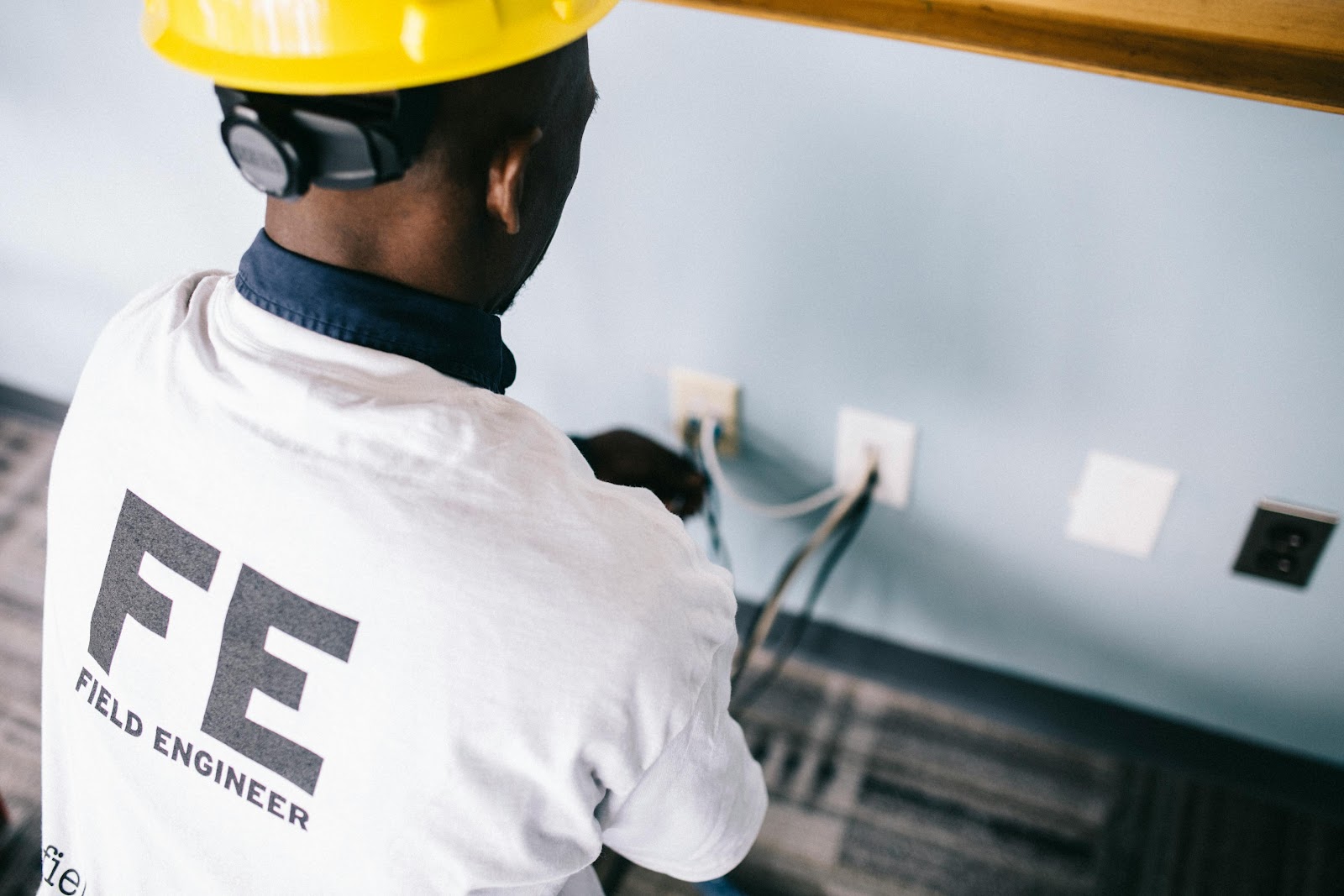
If your house is 20-plus years old — or you’ve been noticing little signs like lights dimming when the fridge kicks in, the breaker popping for no obvious reason, or just not enough outlets anywhere — it might be time to talk upgrades. Electrical upgrades aren’t glamorous, but they are one of those things you’ll be glad you did.
Here’s the thing: houses built a few decades ago weren’t wired for today’s reality. No one back then pictured people running multiple laptops, a giant TV, a home theater, chargers plugged in everywhere, plus maybe a charging station for an electric car. It’s no wonder the old panels and wiring start to struggle.
A good upgrade isn’t just about keeping the lights on — it’s about safety, efficiency, and making sure your home can handle whatever’s coming next. To get safe electrical work for residential properties, you’ll want to prepare your space and plan ahead so the process goes smoothly.
Before an electrician rolls up in the truck, there’s a bit of prep that will make the whole process smoother.
1. Figure Out Exactly Why You’re Upgrading
Don’t just say, “I need more power.” That’s too vague. Ask yourself — is your panel too small? Some older houses still run on 60-amp or 100-amp panels, and most modern homes use 200 amps just to keep up.
Maybe it’s the wiring. Knob-and-tube or aluminum setups were fine decades ago but don’t meet today’s safety standards. Or you’re renovating — adding a home office, kitchen, or shop — and the old system just won’t cut it.
And then there’s the obvious: breakers tripping all the time. That’s your electrical system saying, “I’m done.” Knowing the reason helps your electrician design the right fix.
2. Get an Inspection Beforehand
Before anyone touches a wire, hire a licensed electrician to do a full inspection. They’ll spot hazards, confirm what needs replacing, and make sure the plan will pass inspection later.
Sometimes what seems like a quick panel change becomes a bigger job — like replacing an outdated grounding system or brittle wires hidden behind walls. You don’t want that surprise mid-project.
3. Think About How You Use Power (Now and Later)
This part’s easy to skip, but it matters. Sit down with a notepad and list how you actually use electricity. Big appliances? Power-hungry tools? A second fridge in the garage?
Planning to buy an EV? Maybe you’ve been dreaming about a hot tub. This is the time to think ahead — it’s cheaper to plan for extra capacity now than redo everything in five years.
4. Make Space for the Work
Your electrician needs to get to the panel, outlets, and possibly crawl spaces or the attic. If the path is blocked with furniture, storage bins, or random holiday decorations, clear it out before the work starts.
And here’s a tip most people forget: remove fragile wall decor near the work zone. Accidents are rare, but a bump to your favorite framed photo is a headache you don’t need.
5. Prepare for Losing Power
No way around it — a major upgrade means the electricity’s going to be off. Sometimes for just a few hours, sometimes all day. Plan ahead:
- Charge every device you need.
- Keep some food ready that doesn’t need cooking.
- Have a flashlight or battery lantern ready in case work runs late.
- If you work from home, have a backup location for the day.
It’s not the end of the world, but without a plan, it’s annoying.
6. Unplug and Protect Electronics
Even pros can’t prevent every surge. Unplug TVs, computers, gaming consoles, and anything sensitive before the job starts. Surge protectors help, but removing them from the system entirely is best.
If you’ve got expensive gear, tuck it away in another room so it’s safe from dust or accidental bumps.
7. Double-Check Permits
Big electrical jobs almost always require permits and a final inspection by the local authority. Most electricians handle this — but don’t just assume. Ask them outright.
Permits keep you legal, but they also protect resale value. If you sell, buyers often ask for proof the work was done to code.
8. Let the Household Know
No matter who you live with – family, roommates, or you and the cat – warn them all. Inform them which rooms are not to be used and when the electricity will go off.
Pets in particular can get frazzled with the noise and people. If your dog’s a worrier, perhaps get them to meet up somewhere less noisy.
9. Budget for a Little Extra
Prices differ — a minimal upgrade could cost several hundred dollars, but a complete system rebuild can cost several thousand. Always obtain a written quote, but also have a contingency fund in case of surprises.
Older houses often have ugly wiring work done in the past, and it is best to repair them on the spot than to wait for another time.
10. Pick the Right Pro
The electrician you hire makes all the difference. Look for someone licensed, insured, and ideally recommended by people you trust.
They should explain the work in plain terms, answer your questions, and give a clear estimate. Cheapest isn’t always best — bad electrical work is risky and costly to fix.
Final Word
Upgrading your electrical system isn’t flashy, but it’s one of the smartest things you can do for your home. It’s about safety, convenience, and being ready for whatever’s next.
If you prep your space, think ahead about your needs, and work with the right electrician, the process will go faster and with fewer headaches. Do it once, do it right, and you won’t have to worry every time you plug something in.