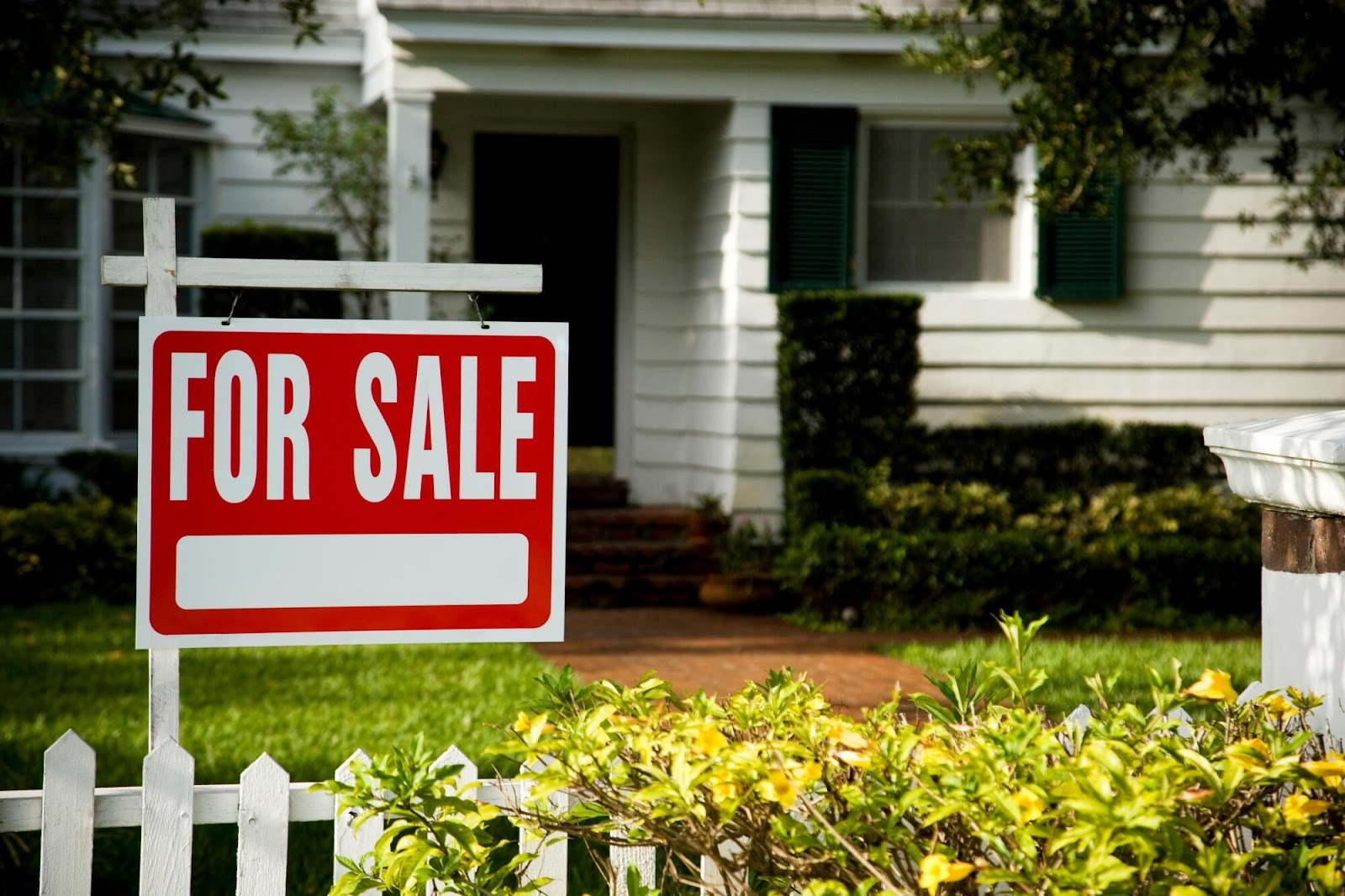
What makes choosing a home in a new city feel so uncertain? Many people worry about missing important details. Streets can look appealing but hide problems.
Prices may rise or fall faster than expected. Local rules can confuse anyone who is not prepared. Safety questions also linger in the mind.
This guide offers clear, time-tested steps that help readers make steady and confident decisions to evaluate properties. Keep on reading!
Study the Local Market First
Prices in your area show more than just numbers. They show how long an area has been stable. A stable market is often a sign of long-term community strength.
Short-term price increases could be a sign of risk or speculation. Buyers can learn about patterns that happen over and over again by looking at old records. Traditional ways of doing research, like looking at long-term sales data, are still useful.
Old neighborhood reports and newspapers you can trust can also help set the scene. Building a strong foundation makes it easier to study further.
Learn the Character of Each Neighborhood
A neighborhood’s reputation is built over many years of shared habits and customs. Some places are busy, and others value peace and quiet. Landmarks that have been around for a long time often show how people take care of their communities.
The real rhythm of daily life can be seen by walking around the area at different times. When you talk to long-term residents, you can get their honest opinions. Most of the time, old churches or community centers show what the heart of the community is like.
Going to shops nearby is a good way to see how neighbors get along. With careful observation, you can get a solid understanding.
Check Safety Records and Long-Term Trends
Any place’s safety history tells you a lot about it. People can look at public records to see if problems have gotten worse or better. Long-term changes help buyers figure out what’s really going on.
Some places get better over time thanks to the work of many people. Others may drop because of changes in the people who run the area. Police reports, city archives, and newsletters that have been sent out for a long time can all help.
Checking the streets at night will show you if they feel calm or shaky. Safety patterns are easy to understand after a close look.
Look Closely at Infrastructure and Services
A city that takes care of its people has roads, utilities, and public systems that work well. A lot of the buildings in older cities are strong and will last for generations.
It is easier to live when there are good power and water networks. It’s easy to relax when you know you can trust your hospitals and clinics. Stable values are often shown by public schools with a lot of history.
Parks and libraries show how leaders put the needs of the community first. Updating these services isn’t as important as keeping them running well over time. A stable base makes an investment safer.
Compare Properties with Similar Areas
Placing a property next to similar locations provides valuable clarity. Comparing features helps reveal whether a price is fair. Some buyers review listings the same way they study traditional community guides.
Many buyers also compare options the same way they would browse Toronto homes for sale. This simple act helps establish a familiar frame of reference.
Matching size, age, and upkeep reveals important differences. Market patterns become more visible. Fair comparisons keep emotions from shaping risky choices.
Examine the Property Structure Thoroughly
Strong building quality comes from years of skilled work. Older homes often have work that was done with care and will last through the years.
Strong foundations mean that the building will last. The lines on the roof show how well the house has been protected. The condition of the windows and doors shows whether the maintenance was done right.
Plumbing and wiring should follow safety rules that have been around for a long time. A reliable inspector can help you find problems that are hidden from the naked eye. A clear understanding of the structure helps people make smarter choices.
Evaluate the Surroundings with Care
The things that are outside the property are just as important as the things that are inside. How much noise there is can change how comfortable daily life is. A road’s width affects both how fast cars can go and how safe it is.
A mature tree has been growing for a long time and has been well taken care of. Walkways and sidewalks show how often people walk and talk to each other. Businesses in the area can either calm or disturb the environment.
Parks that have been around for a long time make it easier for people to get together. The local transit system also changes how easy it is for people to get around. Giving a true picture of the environment helps people not feel bad about their choices later on.
Understand Local Rules and Traditions
Cities have different rules because they have been around for a long time. Laws about zoning say how places can change in the future. Some places put height limits on buildings to protect beautiful views.
Others take care of old homes to honor the history of the area. In older neighborhoods, building rules may have been around for a long time. Traditional rules are sometimes enforced by community associations.
If you know what these expectations are, you can avoid problems in the future. Everyone is more stable when people follow the rules.
Seek Guidance from Trusted Local Experts
Local professionals understand subtle details that outsiders may overlook. Long-practicing agents know which streets hold value over time. Inspectors who have served the area for years understand typical problems.
Appraisers familiar with the region judge prices fairly. Attorneys with local experience interpret regional regulations correctly.
Seasoned workers often carry wisdom gained from past cycles. Their guidance adds calm in moments of doubt. Trusted help anchors the decision-making process.
Key Steps To Evaluate Properties Securely
Looking at homes for sale in a new area can be stressful, but taking slow, calm steps can help. In the long run, facts tell us more than first impressions.
The value of a home depends on its location, safety, and access to public services. Buyers can make good decisions that will last by following tried-and-true methods and carefully studying details. This method puts safety and a few surprises at the top of its list of priorities.
Did you like this guide? Please browse our website for more!