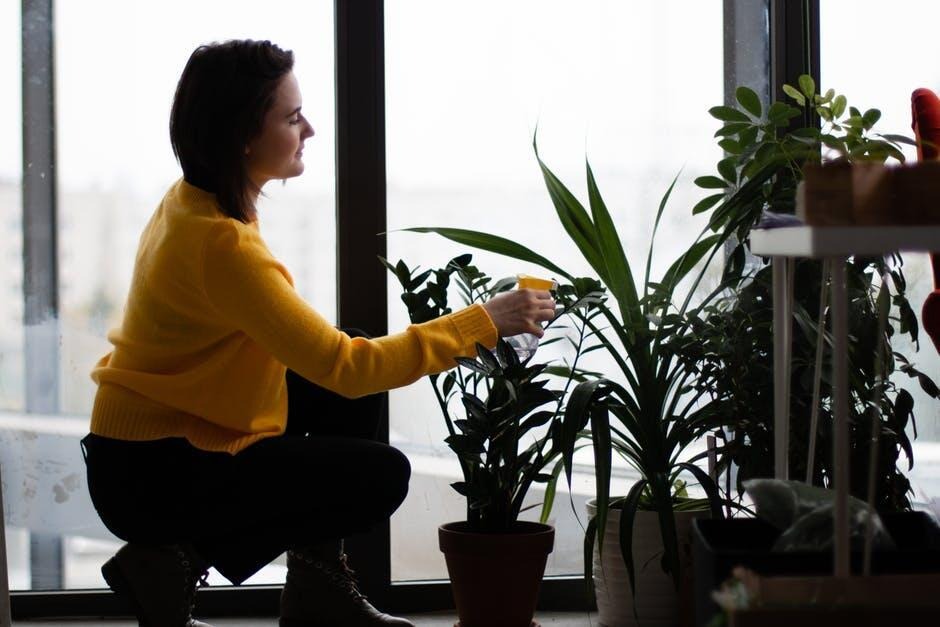
Have you ever looked at an empty corner of your home or office and felt that something was missing?
Indoor plants can fill that space with life, color, and calm while also improving how a room feels and functions. Many people want plants but worry about care, space, or lighting. The good news is that there are indoor plants for almost every situation, even for beginners.
This article explains how to choose the right indoor plants so your space feels healthier, more welcoming, and easier to maintain.
Understanding Your Space and Lighting
Before buying any plant, it helps to understand the space where it will live. Every room has different light levels, airflow, and temperature changes that affect plant growth. Knowing these basics can prevent plants from struggling or failing.
Light is the most important factor to consider. Some rooms receive bright sunlight all day, while others rely mostly on artificial lighting. Choosing plants that match your light conditions makes care much simpler and more rewarding.
Plants that need bright light do best near windows with steady sunlight. Low light plants, on the other hand, can thrive farther from windows or in offices with overhead lights. Matching the plant to the light keeps it healthy and looking good.
Choosing Plants Based on Maintenance Level
Not everyone has the time or interest to care for demanding plants. Low maintenance plants are ideal for busy homes and offices where care routines may be irregular. These plants can tolerate missed watering or small changes in their environment.
Easy care plants usually need less water and adapt well to indoor conditions. They grow slowly and do not require frequent pruning or special feeding. This makes them great for beginners or shared office spaces.
High maintenance plants can be rewarding but require more attention. They often need precise watering, humidity, or light levels to stay healthy. Choosing these plants only makes sense if you enjoy regular plant care.
Selecting Plants for Home Environments
Homes often have more flexible lighting and temperature control than offices. This allows for a wider range of indoor plant options. Living rooms, bedrooms, and kitchens can each support different plant types.
Plants in living areas help create a calm and welcoming mood. Larger plants can act as natural decor pieces, while smaller plants work well on shelves or tables. The right plants can make a home feel warmer and more lived in.
Bedrooms benefit from plants that support relaxation and clean air. Simple, quiet looking plants fit well in these spaces without feeling overwhelming. Choosing gentle and low scent plants helps maintain a restful environment.
Selecting Plants for Office Spaces
Office plants need to look neat and survive under less ideal conditions. Many offices have limited natural light and controlled temperatures. Plants that handle these conditions well are the best choice.
Plants in offices help reduce stress and improve focus. Even a small plant on a desk can make the workday feel lighter. Larger plants in shared areas add life without taking up too much space.
Durable plants are especially important in offices. These plants handle irregular watering and limited care without losing their appearance. This makes them practical for busy work environments.
Considering Health and Wellness Benefits
Indoor plants do more than decorate a space. They can support better air quality and improve how people feel during the day. This is especially helpful in indoor spaces where fresh air may be limited.
Plants can help reduce feelings of stress and mental fatigue. Being around greenery has been shown to improve mood and concentration. This makes plants valuable additions to both homes and offices.
Some plants help manage indoor humidity levels. This can make the air feel more comfortable, especially in air conditioned spaces. A balanced indoor environment supports overall comfort and well being.
Matching Plants to Interior Design Style
Plants should complement the style of the room rather than clash with it. Modern spaces often look best with clean lined plants and simple containers. Traditional spaces may suit fuller plants with softer shapes.
Color also plays an important role. Green plants work with almost any design, while plants with variegated or darker leaves add contrast. Choosing the right color balance helps plants blend naturally into the space.
Containers matter just as much as the plants themselves. Simple pots keep the focus on the plant, while decorative pots can become statement pieces. Coordinating pots with furniture creates a polished look.
Planning for Growth and Space
Plants grow, and this growth should be planned for from the start. A small plant may look perfect now but could outgrow its space over time. Understanding mature plant size avoids future problems.
Spacing plants properly helps them stay healthy. Crowded plants may struggle with airflow and light. Giving each plant enough room supports steady and balanced growth.
Hanging plants and vertical displays are great for smaller spaces. They allow greenery without taking up floor or desk space. This is especially useful in offices or apartments with limited room.
Choosing the Right Plants for Shared Spaces
Shared spaces require plants that appeal to many people. These plants should be neutral, tidy, and easy to maintain. This helps avoid issues with allergies or strong scents.
Plants in shared areas should look consistent and well cared for. A clean appearance keeps the space professional and comfortable. Uniform plant choices also create visual harmony.
Using professional guidance can simplify this process. Services like Phillips Interior Plants & Displays help select plants that suit shared environments while staying attractive and easy to manage.
Growing Comfort and Style One Leaf at a Time
Indoor plants quietly shape how we experience our spaces, often in ways we do not immediately notice. They soften hard edges, improve daily comfort, and remind us of nature even when we are indoors. Choosing plants with care allows them to become part of everyday life rather than a source of stress.
When plants fit their environment, they grow naturally and support the people around them. Thoughtful plant choices help create spaces that feel balanced, calm, and welcoming for years to come.
We hope this article was helpful to you. If you enjoyed it, be sure to check out our blog for more valuable information and resources.