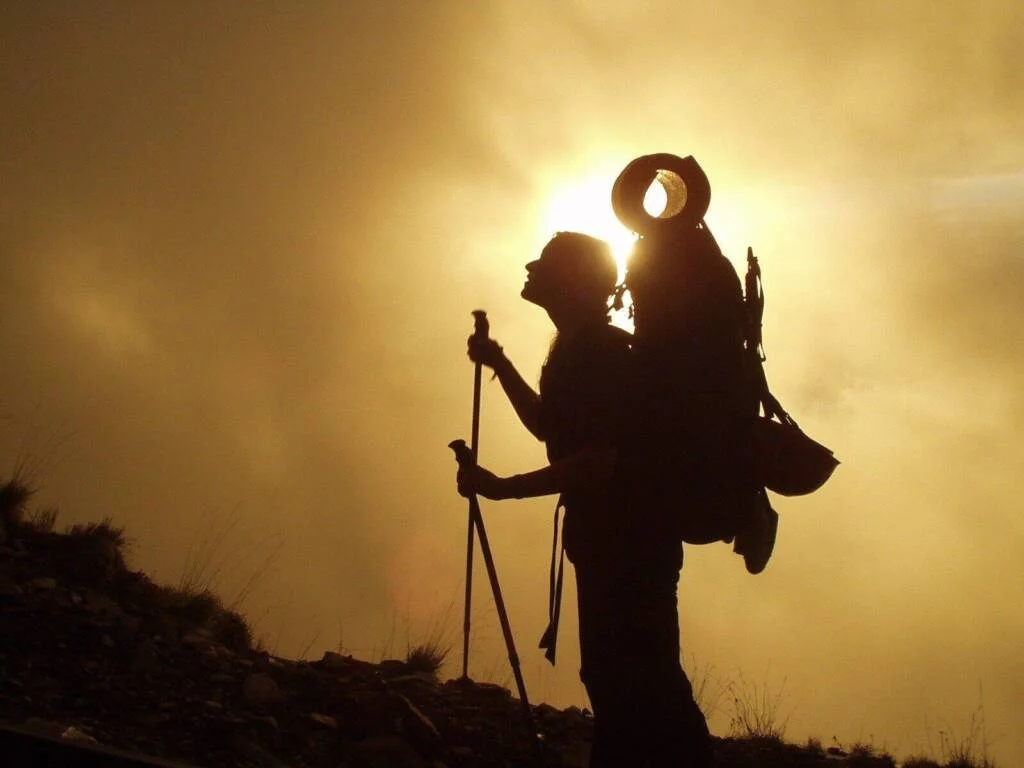
Choosing the right trek experience can feel overwhelming, especially when safety is your priority. With numerous options available, you want to ensure you have an adventure that is not only enjoyable but also secure.
By understanding what makes a trek experience safe and fun, you can make informed decisions that lead to unforgettable memories.
Research the Trek Route
Each trekking route has its unique challenges and beauty. Researching the specific trail is crucial. Look for information on altitude, weather conditions, and terrain type.
If you’re trekking in remote areas, know the distance and duration of each leg of the journey. Websites, trekking forums, and local guides can provide useful insights. Choose routes that match your fitness level to ensure you enjoy your trek without feeling overwhelmed.
Selecting the Right Gear
Having the right gear can significantly impact your trek experience. Invest in quality hiking boots that provide support and comfort. Dress in layers to manage varying temperatures throughout the day.
Good backpacks, water bottles, and navigation tools such as maps or GPS devices should also be part of your gear. Remember that being well-equipped can make your trekking experience much safer and more enjoyable.
Expert Guidance
One safe way to experience trekking is by participating in guided trekking tours. These tours pair you with knowledgeable guides who understand the terrain.
Expert guides can offer valuable advice on the safest paths, while ensuring all participants stay together and follow safety protocols. Trekking with experienced professionals not only enhances your safety but also allows you to learn about the environment you are exploring.
Understanding Group Dynamics
Trekking as part of a group provides both companionship and a safety net. It is essential to find a trek experience that fosters a healthy group dynamic.
Communicate with your fellow trekkers about each person’s abilities and concerns. Keeping an open line of communication helps everyone stay aware of potential challenges along the trek. When individuals feel supported, the overall trek experience is enriched, making it both enjoyable and safe.
Assessing Health and Fitness
Safety in trekking starts with understanding your body. Assess your health and fitness level before selecting a trek. It’s essential to choose a trek that aligns with your capabilities to reduce the risk of injury.
Consider participating in training exercises beforehand, such as hiking shorter trails or incorporating strength and cardio workouts into your routine.
Emergency Preparedness
No matter how prepared you are, accidents can happen. It’s vital to have a plan in place. Carry a first aid kit and know how to use the items within it. Familiarize yourself with local emergency contacts and procedures.
Inform someone about your trek route and expected return time. Being prepared for emergencies greatly enhances your safety and that of your fellow trekkers.
Enjoying the Trek Experience
While safety is crucial, it doesn’t mean you can’t have fun! The best trek experiences allow you to connect with nature, learn, and enjoy breathtaking views.
Take time to pause, breathe in the surroundings, and embrace the journey. Capture the moments, share laughs with your fellow trekkers, and create lasting memories as you determine how to safely choose a trek that suits your adventurous spirit.
Start Your Adventure Safely
Choosing a supported trek experience with safety in mind is essential for creating memorable adventures. By researching routes, selecting the right gear, and considering guided trekking tours, you can ensure an enjoyable, secure experience. With the right preparation and a spirit of adventure, your next trek will be one of the best experiences of your life!
Check our website and read more.