The Evolution of Workplace Attire
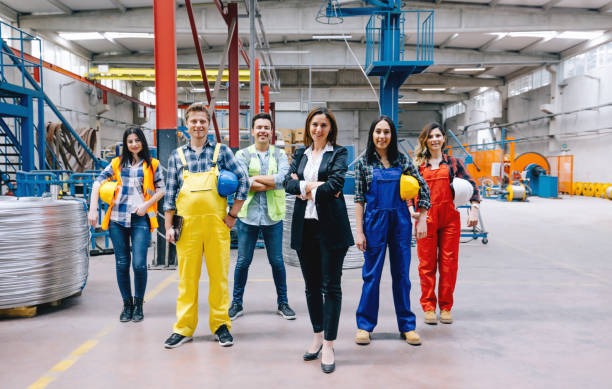
Workwear has undergone significant transformations over the decades, reshaping how employees perceive both themselves and their roles within organizations. Traditional dress codes focused on uniformity and hierarchy—dark suits, crisp shirts, and polished shoes were the norm for decades in many industries. Today, however, workplace attire signals more than just professionalism; it is a reflection of a company’s values and the evolving nature of work itself. Employees are seeking options that allow for greater comfort and self-expression, which is why contemporary solutions, such as work uniforms from Work Hard Dress Right are gaining popularity across diverse workplaces.
This shift towards flexibility in dress codes accompanies broader changes in the workforce. Younger generations, increased workforce diversity, and the blending of remote and in-person work have all contributed to a relaxation of rigid fashion boundaries. Now, companies are adopting new strategies for attire that accommodate both personal identity and role-specific needs while maintaining a professional appearance. As more organizations recognize that what employees wear can impact productivity, confidence, and cohesion, workwear becomes a multidimensional tool for both employees and employers.
Emerging Trends in Modern Workwear
Two major trends capture the current direction of workplace attire: “office siren” and “corporate core.” The “office siren” trend channels elements of 1990s power dressing, reimagined with bolder color palettes, shorter skirts, and striking silhouettes. This trend showcases a shift toward bold, self-assured attire that remains aligned with the core principles of professionalism. It’s not just about looking polished—it’s about reflecting confidence and individuality in a way that suits today’s evolving office environments. At the same time, the trend has sparked important conversations about striking a balance between fashion and professionalism, as well as the implications for workplace culture.
Alongside the office siren is the rise of “corporate core,” a style that merges heritage tailoring and sharp lines with modern sensibilities. This trend leans into the promise of stability and authority during uncertain times, subtly referencing the power of traditional business attire while gently disrupting outdated norms. By combining elegant tailoring with contemporary accessories, this look appeals to professionals who seek to convey stability while also signaling an openness to innovation and self-expression.
As the workplace becomes less formal and more focused on results and well-being, attire is adapting. Employees want wardrobes that move seamlessly between boardrooms and collaborative workspaces, reflecting a broader shift toward hybrid and flexible work models. The demand for stylish, functional workwear is unlikely to slow, as employees continue to prioritize clothing that serves both practical and psychological needs.
Inclusivity and Diversity in Workwear
Inclusivity is deeply woven into the fabric of modern workplace attire. Increasingly, brands and organizations are acknowledging the importance of representing a broader spectrum of identities, body types, and cultural backgrounds. Gender-neutral designs, unisex cuts, and expanded size options are quickly becoming industry standards, allowing employees to choose attire that authentically aligns with their identity. This movement has been supported by studies showing that employees who feel seen and respected through clothing and policy choices demonstrate higher job satisfaction and engagement.
Workplaces that foster inclusivity in dress codes not only support employees’ comfort but also help to break down barriers to collaboration, ensuring all voices feel valued. As organizations evolve, the focus on adaptive, respectful dress codes will remain critical to both talent attraction and retention.
Technological Innovations Enhancing Functionality
Advancements in fabric technology have revolutionized workwear, bringing high-performance features such as moisture-wicking fabrics, four-way stretch materials, and built-in antimicrobial properties. These features enable employees in both office and hands-on roles to remain comfortable, safe, and presentable throughout the day. Specialized fabrics now combine classic aesthetics with practical benefits, allowing employees to enjoy both form and function in their wardrobes. Smart textiles and ergonomic designs support workers in physically demanding environments, reduce fatigue, and can even improve productivity.
While technology continues to redefine the possibilities for work-ready attire, the growing popularity of sustainable fabrics and eco-friendly dyes is also reshaping the market. Many companies are now investing in green technology and sustainable production practices to meet the expectations of eco-conscious talent and reduce their environmental footprint.
Aligning Dress Codes with Organizational Culture
Dress codes are most effective when they reflect and reinforce organizational values. Savvy companies recognize that clothing policies can signal cultural priorities to both employees and clients. A flexible dress code, for example, demonstrates trust and respect for employee autonomy, while still providing guidelines for appropriate behavior in client-facing scenarios.
Organizations are also leveraging dress codes to build a unified sense of identity. By providing employees with guidelines or even branded attire, companies can foster a sense of belonging, making it easier for employees to connect with their work and one another. This balance between freedom and structure is essential to building engaged, high-performing teams.
Balancing Tradition with Innovation
Finding the right mix of tradition and innovation is a challenge facing many industries, especially in fields with longstanding expectations for formal dress. However, integrating modern trends through accessories, updated cuts, or new materials can breathe new life into classic uniforms and business wear. Even the most conservative sectors can experiment with subtle elements, such as color pops, wellness features, or inclusive sizing, to modernize their look while maintaining tradition. This adaptive approach helps companies remain competitive and relevant, fostering an environment where employees are encouraged to bring their whole selves to work.
Conclusion
Modern workwear serves as a reflection of today’s workplace culture, embodying values of flexibility, inclusivity, and innovation alongside professionalism. As organizations continue to emphasize holistic wellbeing and individual expression, evolving approaches to work attire demonstrate a growing recognition that what we wear to work can influence not only our performance but also our sense of self, belonging, and purpose. By embracing these changes, companies and employees can cultivate environments where everyone feels empowered and ready to thrive.