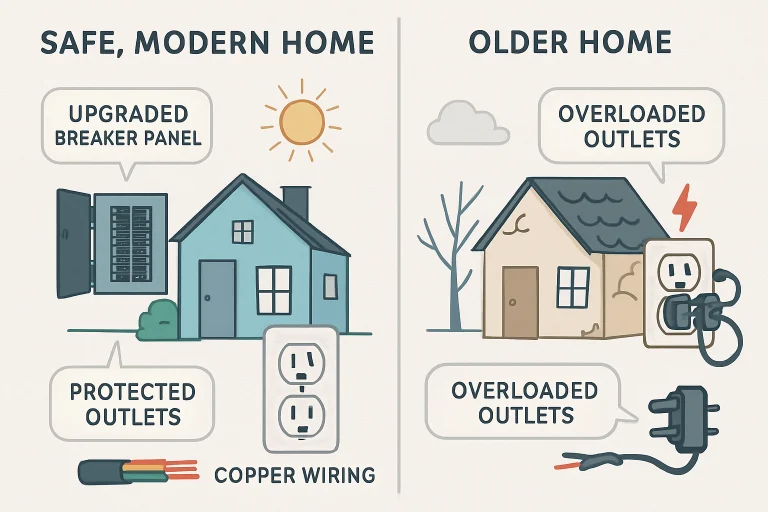
Electrical safety in the home has come a long way, with modern wiring standards designed to protect families from potential hazards. Up-to-date electrical systems incorporate advanced materials, proper grounding, and circuit protection devices that reduce the risk of shocks, fires, and other accidents. Ensuring that wiring is installed in accordance with current codes not only safeguards the household but also helps maintain the longevity and efficiency of the electrical system. Regular inspections and adherence to these standards are crucial to creating a secure living environment.
Beyond general wiring, specific attention is needed for connecting appliances and specialized devices. Proper installation of these systems ensures that electrical loads are managed safely, preventing overloading and malfunctions. Homeowners often rely on professional services for equipment hook-ups Philadelphia PA, ensuring that all connections meet safety requirements. By keeping both general wiring and equipment connections up to modern standards, families can enjoy peace of mind knowing their home is protected.
Understanding Modern Wiring Standards
The National Electrical Code (NEC), revised triennially, is the authoritative source for residential and commercial wiring practices in the United States. The code evolves to reflect the best available knowledge and technology, making homes safer by incorporating requirements for surge protection, arc fault detection, and proper circuit distribution. The 2023 NEC update makes surge protection particularly prominent, recognizing its necessity in a world of frequent voltage spikes and sensitive devices.
Modern codes also specify wire sizes and materials to safely accommodate increased electrical loads. For example, copper wiring is preferred in current standards due to its superior conductivity and safety profile compared to aluminum. Better protection of outlets in wet or child-accessible areas has also become a priority, requiring specialized protective devices and careful installation by licensed professionals.
The Risks of Outdated Wiring
Older electrical systems, such as those featuring knob-and-tube wiring or aluminum conductors, often lack the capacity and safety features of newer installations. These deficiencies may manifest as overheating, sparking, and, at times, unexplained equipment malfunctions. Aluminum wiring, common in houses built in the mid-20th century, is particularly concerning due to its tendency for loose, heat-generating connections.
More than just an inconvenience, outdated wiring represents a serious fire risk. Electrical failures remain a leading cause of residential fires. Homeowners should be especially alert if their property is over 40 years old or if visible wiring does not meet modern specifications. Proactively replacing aging infrastructure is crucial to preventing avoidable disasters.
Signs Your Home May Need an Electrical Upgrade
- Frequent circuit breaker trips or blown fuses may indicate overloaded or compromised circuits.
- Lights that flicker or dim for no clear reason often indicate insufficient wiring for current loads.
- Burning odors near switches or outlets indicate a dangerous buildup of heat within the walls.
- Heavy reliance on extension cords and power strips may indicate that your outlets are inadequate for your needs.
If any of these symptoms are present, it is best to consult an experienced electrician for a thorough examination and professional advice. Early intervention dramatically reduces the risk of electrical incidents.
Essential Electrical Upgrades for Safety
Electrical Panel Replacement
Modern breaker panels are designed to handle increased home usage, integrating safety features such as improved circuit separation and higher-rated breakers. Upgrading to a new panel is a key step toward maintaining a stable supply and preventing catastrophic overloads.
Replacing Outdated Wiring
Replacing old wiring types with modern copper solutions ensures reliable conductivity and safer connections. These upgrades can make a big difference in homes still equipped with 20th-century materials and construction methods.
Installing Ground and Arc Fault Protection
Ground Fault Circuit Interrupters (GFCI) provide a fast shutdown when a shock hazard is detected in outlets, especially near sinks or outdoors. Arc Fault Circuit Interrupters (AFCIs) detect electrical arcs, an early sign of faulty wiring or loose connections. Modern codes require both devices in many parts of a home, reflecting their proven track record at reducing injuries and property damage.
Compliance with Electrical Codes
Following the NEC and local building codes is about more than following rules. These codes are designed in response to years of research, engineering advances, and lessons from past fires and accidents. Regular inspections and required upgrades help ensure the electrical system is not just legally compliant but genuinely safe for you and your family.
Protecting Your Family
While technical improvements are critical, educating everyone in your household about simple electrical safety habits is equally important. These include never overloading sockets, unplugging appliances before cleaning, keeping cords dry and undamaged, and being cautious around electrical equipment. These practices enhance the benefits of modern wiring and reduce the remaining risk of accidents.
Conclusion
Advancements in wiring standards form the backbone of a safer, more reliable home electrical system. Regular awareness, professional inspections, and planned upgrades all help keep your family safe from preventable electrical dangers. Investing in modern standards today means peace of mind and security for years to come.