Investment casting, also known as the lost-wax process, is one of the most important manufacturing methods used today. It helps companies create metal parts that are strong, precise, and detailed. As modern industries require more complex designs and better performance, investment casting continues to grow in importance.
From aerospace to medical equipment, this process plays a key role in producing high-quality components that meet strict standards. Read on.
What Is Investment Casting?
Investment casting is a step-by-step process used to create metal parts. First, a wax model of the part is made. This wax pattern looks exactly like the final product.
The wax model is then covered with a ceramic substance, creating a rigid shell around it. After the shell has dried, the wax is heated until it liquefies and is then removed, creating an internal cavity within the ceramic mold.
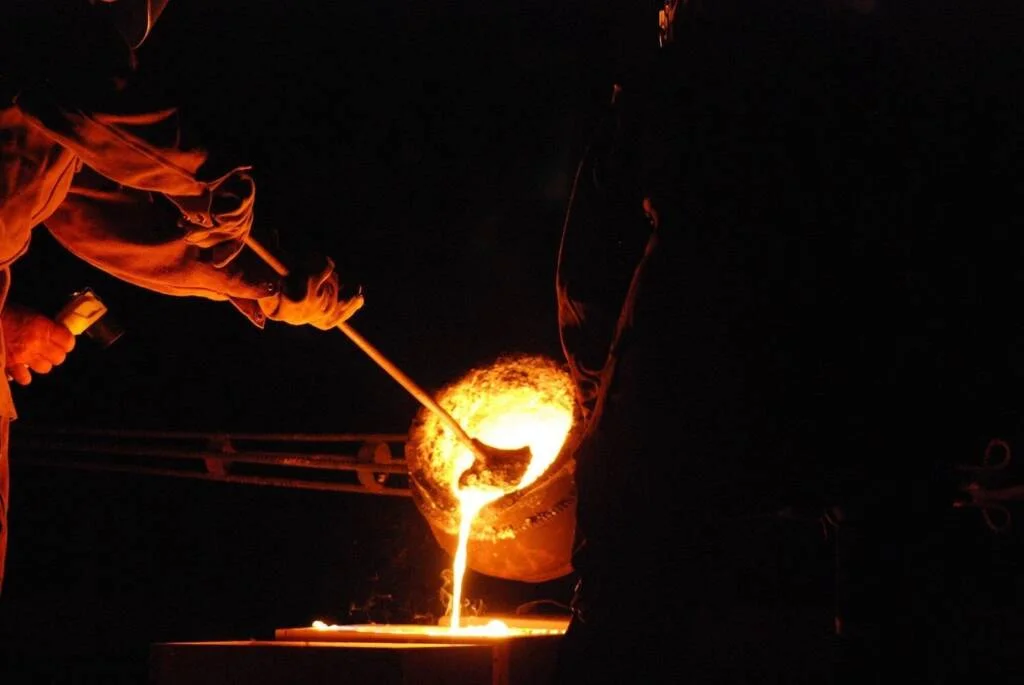
Molten metal is then poured into this cavity. After the metal cools and hardens, the ceramic shell is broken away, revealing the finished metal part.
Although this process has been used for thousands of years, modern technology has greatly improved it. Make sure to consult experts to learn more. such as on high-quality investment casting solutions.
Greater Design Freedom
One of the biggest advantages of investment casting is design flexibility. This process allows manufacturers to create parts with:
- complex shapes
- thin walls
- detailed features
It can even produce internal channels or curved surfaces that would be difficult or expensive to achieve with traditional machining. Because of this flexibility, engineers have more freedom to focus on performance and efficiency. They do not need to simplify designs just to make them easier to manufacture.
In many cases, investment casting also reduces the need for welding or assembling multiple pieces. This leads to stronger, lighter, and more reliable components.
Wide Range of Materials
Investment casting works with many types of metals and alloys. These include stainless steel, carbon steel, aluminum, and high-performance alloys that can resist heat and corrosion. This wide material selection makes the process suitable for many industries.
For example, aerospace companies use it to create lightweight but strong engine components. Automotive manufacturers rely on it for durable and precise parts.
Medical equipment producers use it to make small, detailed instruments. Because it supports so many materials, investment casting can meet different performance requirements across various sectors.
Cost-Effective Production
While the initial tooling for investment casting can cost more than simpler methods, the overall savings are often significant. The process produces near-net-shape parts, which means the parts come out very close to their final dimensions. This reduces the need for additional machining and lowers material waste.
Over large production runs, these savings add up. Fewer finishing steps also mean shorter production times and more predictable delivery schedules. For companies looking to balance quality and cost, investment casting provides a practical solution.
Quality, Consistency, and Sustainability
Modern manufacturing requires consistent quality. Investment casting delivers reliable results thanks to improved technology and strict inspection processes. Parts produced through this method often have smooth surfaces and tight tolerances, meeting high industry standards.
In addition, investment casting supports more sustainable manufacturing. The process minimizes scrap metal and allows excess material to be recycled. By reducing waste and improving efficiency, companies can lower their environmental impact.
Take Advantage of Investment Casting Today
Investment casting remains a powerful tool in modern manufacturing. It combines precision, flexibility, and efficiency in one process. By allowing complex designs, supporting many materials, reducing waste, and delivering consistent quality, it helps industries innovate and compete.
If you want to read more articles, visit our blog.