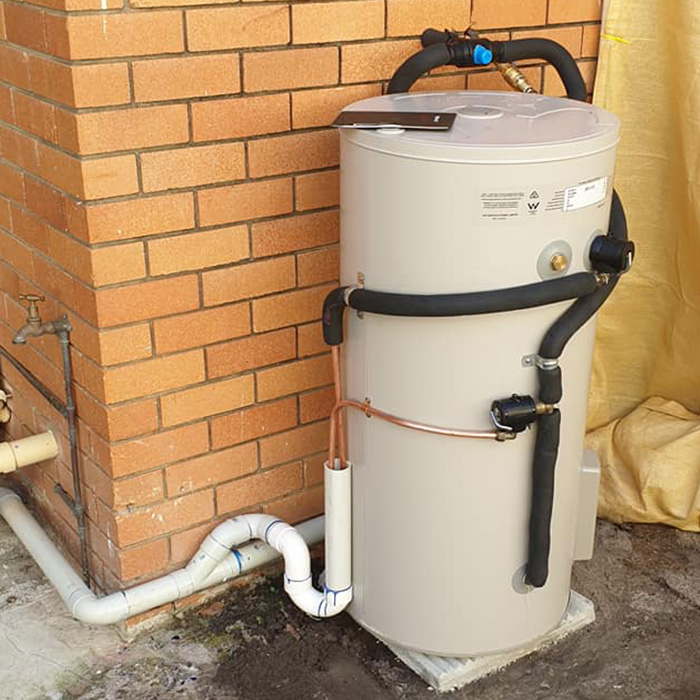
When it comes to keeping your home comfortable year-round, installing a reliable hot water system Gold Coast residents can depend on is crucial. Whether you’re upgrading an outdated unit or installing a brand-new system in a new build, the process involves more than just picking a model and connecting a few pipes. From choosing the right size to navigating local regulations, there are important factors to consider for a smooth and efficient installation.
1. Choose the Right Type of System for Your Needs
Before diving into installation, it’s essential to understand the different types of hot water systems available:
- Electric Systems: Common and relatively inexpensive upfront, but they can be costly to run long-term.
- Gas Systems: Ideal for homes with access to natural gas. They heat water faster and can be more economical than electric systems.
- Solar Systems: Environmentally friendly and cost-effective in the long run, especially in sunny areas like the Gold Coast.
- Heat Pump Systems: These systems extract heat from the air to warm the water and are energy-efficient, though more expensive initially.
Think about your household size, water usage habits, and energy goals. For example, a family of four with high water usage may require a larger gas or solar system, while a couple living in a compact apartment might opt for a smaller electric unit.
2. Understand Your Property’s Plumbing and Layout
Not all homes are created equal when it comes to plumbing. A professional inspection can identify existing pipe materials, water pressure levels, and possible limitations that could affect installation. For instance:
- Older homes might have outdated pipes that require replacement before installing a modern hot water unit.
- Two-story houses often need systems with strong pressure to ensure consistent water flow upstairs.
- Limited outdoor space might mean you need an internal or wall-mounted system.
Taking your home’s unique layout into account can save you time, money, and future repairs.
3. Check for Permits and Compliance Regulations
On the Gold Coast, hot water system installations must comply with Queensland Building and Plumbing regulations. This means:
- Ensuring the system is certified by the Australian Standards.
- Using a licensed plumber or technician for installation.
- Adhering to water efficiency and safety guidelines, especially if you’re replacing an older system.
It’s illegal to perform DIY installations or hire an unlicensed installer. Doing so not only voids warranties but could lead to serious legal and insurance issues.
4. Prioritise Energy Efficiency Ratings
With rising energy costs and environmental concerns, choosing an energy-efficient hot water system is more important than ever. Look for:
- Energy Star Ratings: The more stars, the better the system’s efficiency.
- Insulated Tanks: Prevents heat loss and reduces energy consumption.
- Timers and Smart Controls: These can optimize heating cycles and save on bills.
An efficient system might cost more upfront but can drastically reduce your power bills over time.
5. Plan for Long-Term Maintenance
Many homeowners overlook the importance of ongoing maintenance after installation. Regular servicing helps extend the lifespan of your system and ensures optimal performance. Key maintenance tips include:
- Flushing the tank annually to remove sediment buildup.
- Checking for corrosion or leaks around connections.
- Replacing the sacrificial anode every few years (for storage systems).
- Scheduling professional inspections every 1–2 years.
Incorporate maintenance into your home routine to avoid costly surprises down the track.
6. Think About Water Temperature and Safety
Scalding is a real danger, especially for households with children or elderly residents. To improve safety:
- Install tempering valves to control the maximum water temperature at outlets.
- Set your hot water system’s thermostat at a safe level (typically around 50°C at taps).
- Ensure any mixing valves are installed properly by a professional.
Safety should never be compromised for the sake of speed or cost.
7. Time Your Installation Wisely
If you’re replacing an existing system, plan the installation early in the day to avoid long hours without hot water. For new builds, coordinate with your builder or plumber to install the system at the appropriate construction phase to prevent rework or damage.
Also consider scheduling installations during off-peak seasons when plumbers are less busy, this could save you both time and money.