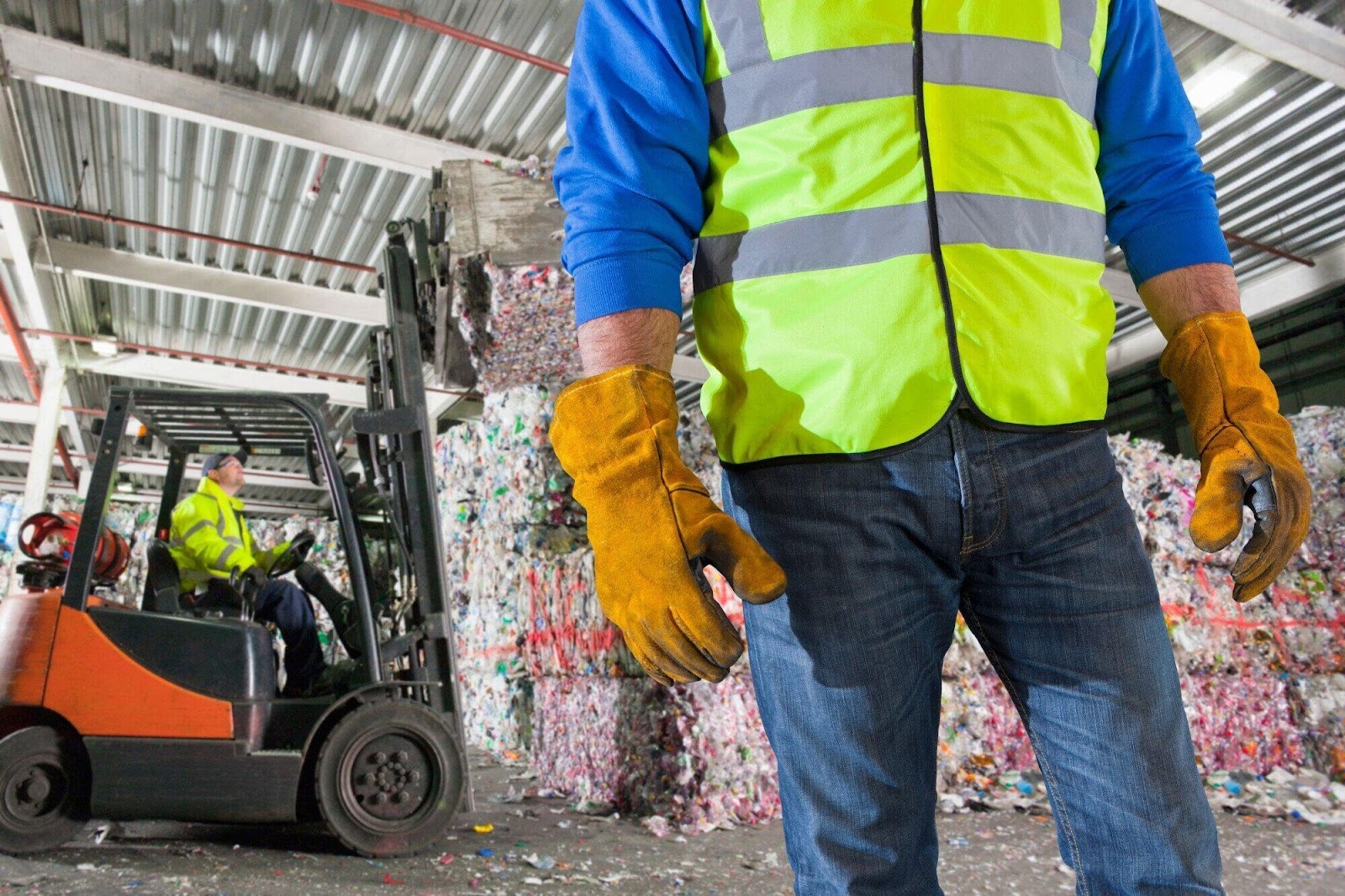
Forklifts play a big role in keeping warehouses and construction sites running smoothly. But they also bring risks, making forklift accident prevention a must for every workplace. Staying safe means protecting workers, keeping jobs on track, and avoiding costly downtime.
Learn how a few simple safety steps can help prevent forklift accidents and keep your worksite safer-read the full article to find out more.
Understanding Forklift Hazards
Before creating a forklift safety plan, it’s important to know the main risks. Forklifts can be dangerous if not used properly. Common hazards include overloading, uneven surfaces, poor visibility, lack of training, and speeding near people.
Implementing Effective Safety Training
Strong safety training is one of the best ways to prevent forklift accidents. It should teach proper operation and how to spot potential hazards in the workplace. Regular refresher courses help keep operators skilled and informed at all times.
1. Comprehensive Operator Training
All forklift operators should complete full training that covers both theory and practice. They must understand safe operating rules and follow them at all times. Testing knowledge and hands-on skills ensures they are ready to operate safely.
2. Hazard Awareness
Operators need to stay alert to possible dangers in their surroundings. This includes watching for people, other vehicles, and obstacles. Staying aware helps prevent accidents and keeps the workspace safe.
3. Importance of Pre-Operational Checks
Daily forklift inspections are essential before starting work. Operators should check brakes, lights, and safety devices to ensure everything works properly. Regular checks help catch issues early and keep operations safe.
Creating a Safe Work Environment
Beyond training, creating a safe workspace is key to preventing accidents and knowing the steps to take after a forklift accident. A good warehouse layout helps reduce blind spots and keeps traffic organized. Clear signs and marked walkways guide both drivers and pedestrians, keeping everyone safe.
Regular forklift maintenance also plays an important role. Checking and fixing equipment often helps prevent breakdowns and accidents. Keeping a log of repairs ensures all issues are handled quickly and safely.
The Role of Leadership and Accountability
Strong leadership is important for keeping the workplace safe. When management puts safety first, employees are more likely to follow. Open communication helps workers report risks early, and accountability ensures everyone does their part.
Regular safety audits also support this goal. These audits not only confirm the adherence to safety rules but also allow for the identification of potential problems before they can cause harm. By staying proactive, companies create a safer and more productive workplace.
Reinforcing Safety Culture
Preventing forklift accidents begins with fostering a robust safety culture. Employees should feel comfortable reporting risks without fear. Rewarding safe behavior helps build good habits and keeps everyone alert.
Frequent safety meetings ensure that teams remain informed and engaged. They’re a great way to share ideas and find areas to improve. With open communication, workplaces become safer and more efficient.
Building a Safer Workplace
Prioritizing forklift safety helps protect your team and keep operations running smoothly. With proper training, clear rules, and regular checks, accidents can be reduced and productivity improved. Focusing on safety builds trust and keeps everyone confident at work.
Act now by reassessing your safety protocols and training programs. A safer workplace starts with simple, steady effort. For more helpful tips on workplace safety, read our blog.