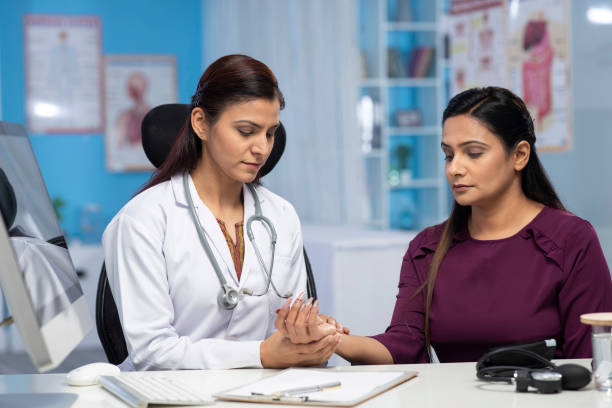
Women’s health is a broad and deeply personal field that encompasses everything from routine gynecological care to complex hormonal conditions, fertility concerns, and menopause management. Finding the right specialist — someone who listens, understands, and offers evidence-based care — can make an enormous difference in your overall well-being. Whether you’re searching for your first OB-GYN or looking to switch to a provider who better fits your needs, knowing where to start is half the battle.
Why Women’s Health Specialists Matter
Women face unique health challenges at every stage of life. From adolescence through menopause and beyond, the body goes through a series of changes that require specialized medical attention. General practitioners are valuable, but women’s health specialists bring a focused depth of knowledge to issues like polycystic ovarian syndrome (PCOS), endometriosis, pregnancy care, pelvic floor dysfunction, and hormonal imbalances. Having a dedicated specialist means your care is proactive rather than reactive — catching potential problems early and managing ongoing conditions with precision.
Types of Women’s Health Specialists
Understanding the landscape of women’s health providers can help you identify exactly who you need.
OB-GYNs (Obstetricians and Gynecologists) are the most commonly sought women’s health specialists. They handle everything from annual wellness exams and Pap smears to pregnancy, labor, and delivery. Many women establish a long-term relationship with their OB-GYN and rely on them as a primary point of contact for reproductive health.
Reproductive Endocrinologists specialize in fertility and hormonal disorders. If you’re struggling to conceive or dealing with conditions like PCOS or premature ovarian insufficiency, this specialist can offer advanced diagnostic and treatment options.
Maternal-Fetal Medicine Specialists (Perinatologists) focus on high-risk pregnancies, managing complications that may arise from pre-existing conditions or those that develop during pregnancy.
Urogynecologists address pelvic floor disorders, including urinary incontinence and pelvic organ prolapse — issues that are far more common than many women realize but are often underreported due to embarrassment.
Breast Health Specialists and Gynecologic Oncologists focus on cancer prevention, detection, and treatment specific to women, including cancers of the breast, ovaries, cervix, and uterus.
Menopause Specialists help women navigate the physical and emotional transitions that come with perimenopause and menopause, offering hormone therapy options and lifestyle guidance.
How to Find the Right Specialist Near You
Finding a qualified women’s health specialist in your area doesn’t have to be overwhelming. Here are some practical steps to guide your search.
Start with your insurance network. Before anything else, check which providers are covered under your health plan. Out-of-network care can be costly, so narrowing your search to in-network specialists is a sensible first move.
Ask for referrals. Your primary care physician is often the best starting point. They can refer you to trusted specialists based on your specific needs. Friends, family members, and colleagues can also be surprisingly helpful sources of recommendations.
Use online healthcare platforms. Digital healthcare directories have made it easier than ever to find, research, and book appointments with specialists. Platforms like Vosita allow patients to search for women’s health providers based on location, specialty, insurance compatibility, and availability — all in one place. This kind of streamlined access removes much of the guesswork and phone tag traditionally associated with finding a new doctor.
Read reviews thoughtfully. Patient reviews can offer genuine insight into a doctor’s communication style, office environment, and wait times. Look for patterns in feedback rather than fixating on a single outlier review. A specialist with consistently positive remarks about attentiveness and thoroughness is a good sign.
Consider logistics. Location, office hours, telehealth availability, and how easy it is to schedule an appointment all matter. A brilliant specialist who is impossible to get an appointment with or located an inconvenient distance away may not be the right practical fit for your lifestyle.
Questions to Ask a New Women’s Health Specialist
Once you’ve identified potential providers, don’t hesitate to ask questions before or during your first visit. It’s important to find someone whose approach aligns with your values and expectations. Consider asking:
- What is your experience with my specific condition or concern?
- How do you approach shared decision-making with patients?
- What does a typical follow-up process look like?
- Are telehealth appointments available for follow-up visits?
- How does your office handle after-hours questions or emergencies?
These questions help establish whether the provider communicates in a way that makes you feel heard and respected — which is just as important as their clinical credentials.
The Role of Preventive Care
One of the most important things a women’s health specialist can do is guide you through preventive care. Regular screenings — including Pap smears, mammograms, pelvic exams, bone density tests, and STI screenings — catch issues at their earliest and most treatable stages. Many women put off preventive care due to busy schedules or anxiety about what they might find. A good specialist will create an environment where these conversations feel comfortable and routine rather than daunting.
Preventive care also extends to mental health. Women are statistically more likely to experience anxiety and depression, and women’s health providers who take a holistic view understand that mental and physical well-being are deeply connected. Don’t hesitate to discuss mood changes, stress, sleep disruptions, or emotional concerns with your specialist.
Navigating Care Across Life Stages
Your healthcare needs as a woman will evolve significantly over time, and your specialist team may shift accordingly.
In your teens and twenties, establishing a relationship with a gynecologist lays the foundation for healthy reproductive habits and early detection of any irregularities. In your thirties and forties, fertility consultations, prenatal care, and screenings for conditions like endometriosis or fibroids may become more relevant. In your fifties and beyond, menopause management, cardiovascular health, and bone density become central concerns.
Having a trusted women’s health specialist at each stage means you’re never navigating these transitions alone.
Making the Most of Your Appointments
Preparation is key to getting the most out of any medical visit. Before your appointment, write down your symptoms, questions, and any relevant medical history. Bring a list of current medications and supplements. If you’ve had recent test results from another provider, bring copies. Being organized allows you and your doctor to use the limited time you have together as efficiently as possible.
Don’t minimize your symptoms. Women are sometimes conditioned to downplay pain or discomfort, but you deserve thorough answers and follow-through. If something doesn’t feel right, say so clearly and advocate for yourself.
Final Thoughts
Women deserve healthcare that is attentive, thorough, and genuinely tailored to their needs. Finding the right women’s health specialist may take a little effort, but the payoff — in peace of mind, early detection, and quality of care — is well worth it. Leveraging modern tools like Vosita to search for qualified providers near you can significantly simplify the process, helping you connect with the right specialist faster and with less frustration. Your health is worth the investment of finding someone truly right for the job.