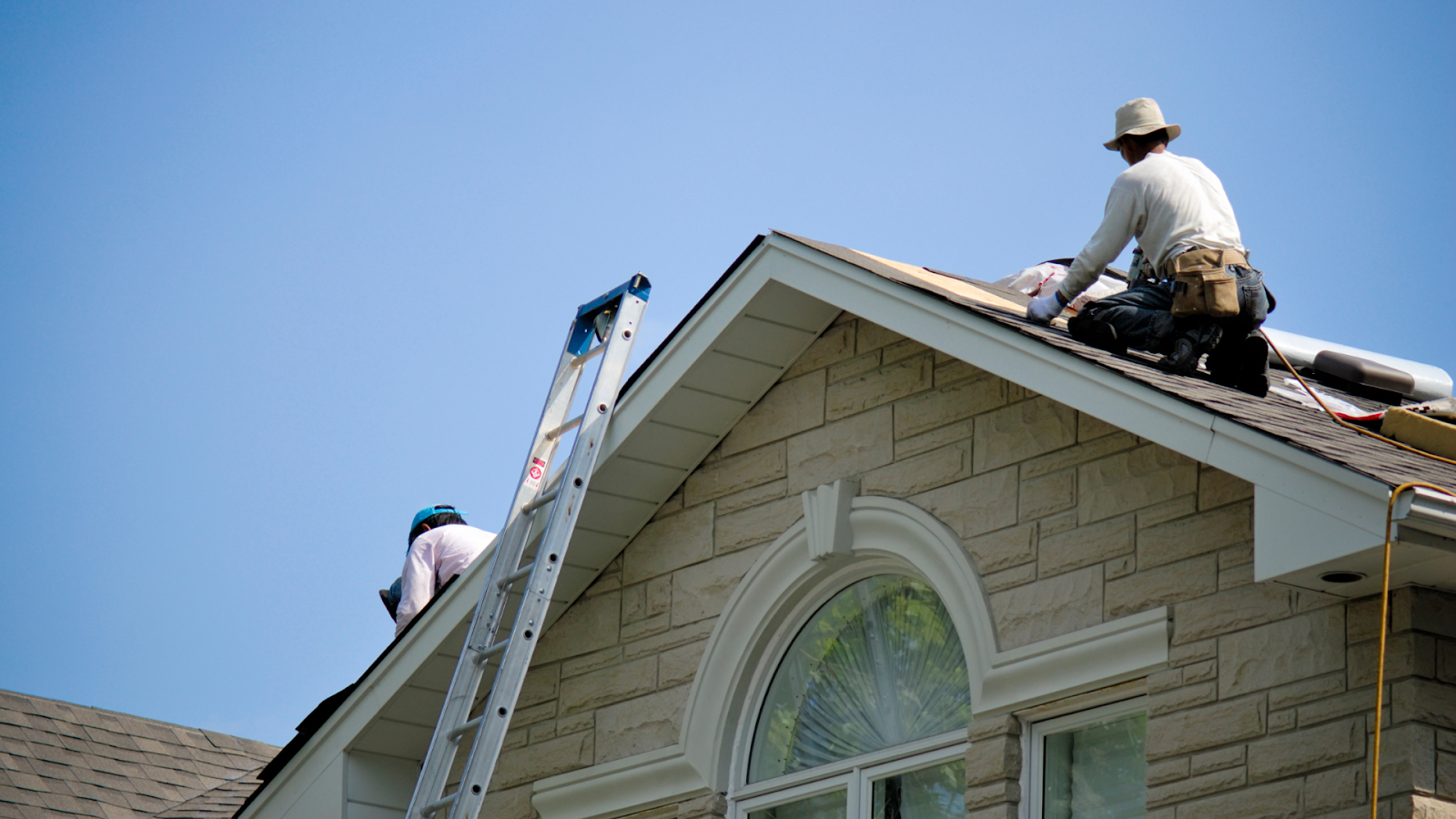
Home renovation is an exciting yet challenging milestone, and when it comes to your roof, the stakes are even higher. As a first-time home renovator, you may find roofing decisions a bit overwhelming, especially with so many factors like materials, inspections, and contractor selection coming into play.
The truth is, understanding the basics of roof maintenance and repair can make the entire process more manageable. This guide will walk you through essential roofing tips designed to help first-time renovators protect their investment, avoid common pitfalls, and ensure long-lasting results for their home makeover journey.
Understanding Your Roof’s Needs
Every home renovation starts with knowing what you’re working with. Your roof has specific requirements that depend on its age, materials, and current condition.
Signs It’s Time for Action
Dark spots on your ceiling usually mean trouble’s brewing overhead. Water stains, curling shingles, or granules in your gutters are clear indicators that your roof needs attention. Don’t wait until you’re dealing with small leak roof repair services during a heavy rainstorm – that’s when things get expensive fast.
Missing or damaged shingles create entry points for water and pests. If you notice any daylight peeking through your attic boards, that’s another red flag. These issues might seem minor now, but they can quickly turn into major headaches if left unchecked.
When to Call Professionals
While some homeowners tackle minor repairs themselves, certain situations require expert help. Most DIY enthusiasts lack the specialized knowledge that roofing contractors bring about local building codes, safety protocols, and material compatibility. They can spot problems you might miss and prevent costly mistakes.
Structural damage, extensive water damage, or projects involving electrical components should always be handled by licensed professionals. The peace of mind you’ll get from proper installation often outweighs the initial cost difference. This approach sets you up for long-term success in your renovation journey.
Essential Inspection Strategies
Regular inspections help catch problems before they become expensive disasters. You’ll want to combine your own observations with professional expertise for the best results.
DIY Assessment Basics
Start your roof inspection from the ground using binoculars to check for obvious issues. Look for missing, cracked, or curling shingles, damaged flashing around chimneys and vents, and clogged gutters. Inside your attic, use a flashlight to check for water stains, mold, or rotting wood.
Take photos of any concerns you spot – they’ll be helpful when discussing options with contractors. Check your attic after heavy rains to see if water’s getting in anywhere. This simple routine can save you thousands in unexpected repair costs.
Professional Evaluation Benefits
Professional inspectors have trained eyes that catch subtle problems you might miss. They understand how different roofing systems age and can predict when components might fail. A thorough professional inspection covers structural integrity, ventilation, insulation, and potential code violations.
Most quality inspections include detailed reports with photos and recommended timelines for repairs. This information becomes invaluable when planning your renovation budget and timeline. It’s especially important for older homes where hidden issues are more common.
Choosing the Right Materials
Material selection affects your roof’s performance, appearance, and longevity. Understanding your options helps you make informed decisions that fit your budget and goals.
Budget-Friendly Options
Asphalt shingles remain the most popular choice for good reason – they’re affordable, versatile, and relatively easy to install. They come in many colors and styles to complement different architectural designs. For most first-time renovators, quality asphalt shingles provide excellent value.
Consider the total cost of ownership, not just upfront expenses. Cheaper materials might need more frequent repairs or earlier replacement. Roofing tips for home renovators often emphasize balancing initial costs with long-term performance to avoid buyer’s remorse later.
Long-Term Investment Considerations
Metal roofing, tile, and slate cost more upfront but can last decades longer than asphalt. They often come with better warranties and can increase your home’s resale value. Energy-efficient materials might qualify for tax credits or rebates, reducing your overall investment.
Think about your area’s climate and weather patterns. Some materials perform better in certain conditions. Commercial flat roof maintenance principles apply to residential flat sections too – proper drainage and membrane selection are crucial for longevity.
Working with Professionals
Finding the right team makes all the difference in your renovation experience. Good contractors guide you through decisions and deliver quality results on time and within budget.
Finding Qualified Contractors
Start by asking neighbors, friends, and local hardware stores for recommendations. Check online reviews, but remember that a few negative comments aren’t necessarily deal-breakers if the overall pattern is positive. Verify licenses, insurance, and Better Business Bureau ratings before making decisions.
Get multiple quotes for comparison, but don’t automatically choose the lowest bid. Extremely low prices often indicate corners being cut or hidden costs that’ll surface later. Look for contractors who explain their process clearly and answer questions patiently.
Managing Your Project
Clear communication prevents most project hiccups. Discuss timelines, material deliveries, cleanup responsibilities, and payment schedules upfront. Roof replacement projects can be disruptive, so plan accordingly with family schedules and weather considerations.
Keep detailed records of all agreements, changes, and payments. Take photos throughout the process to document progress. Don’t make final payment until you’re completely satisfied with the work and cleanup. Trust your instincts – if something doesn’t feel right, speak up immediately.
Common Questions About Roofing Renovations
What is the hardest part of roofing?
Roof leaks are a challenging problem for roofers because they are elusive. They must not only fix the leak but also investigate to ensure there isn’t other hidden damage. To fix these problems and avoid more damage, it’s crucial to find and fix them fast.
How long does a typical roof replacement take?
Most residential roof replacements take 3-7 days depending on size, complexity, and weather conditions. Simple ranch homes might be completed in 2-3 days, while complex multi-story homes can take longer.
Should I be home during roof work?
You don’t need to be home constantly, but someone should be available for questions and decisions. Many homeowners find it helpful to be present during the initial tear-off and final walkthrough phases.