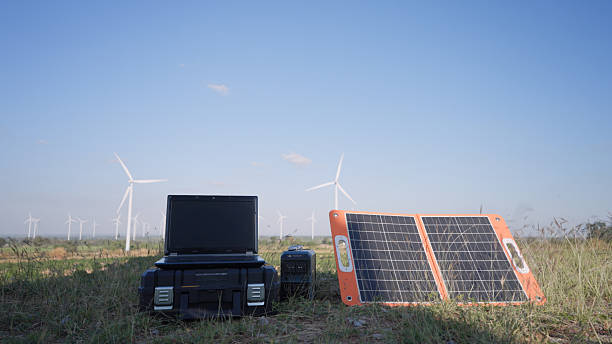
Solar generators provide clean, portable electricity, but their efficacy is dependent on where and how they are used. Climate has a significant impact on solar energy generation, battery efficiency, and system durability. Environmental conditions, such as extreme heat and heavy precipitation, impact how much electricity your generator can generate and store. Understanding these distinctions allows you to select the best gear and prevent performance dips. Whether you live in the desert, a mountain chalet, or a coastal town, this book will explain how climate affects solar generators and what you can do to keep them working properly in every area, season, or weather condition.
How Does Climate Affect Solar Generator Performance?
Sunlight Availability and Solar Charging Efficiency
The more direct sunlight your panels receive, the faster your solar powered generator for home use charges. Clear sky and lengthy sunshine hours boost performance, but gloomy weather, shade, or short winter days lower energy intake. The angle, orientation, and quality of solar panels all have an influence on efficiency. High-efficiency monocrystalline panels perform better in partial shade or low light than polycrystalline panels. In gloomy or unpredictable weather, expect longer charging times and lower daily production. Use solar tracking or adjustable stands to gather as much light as possible throughout the day. Consistent solar exposure is the single most important condition in ensuring consistent electricity, particularly for daily or off-grid applications.
Temperature Impact on Battery Performance
Extreme temperatures can impair battery performance and longevity. Most solar generators use lithium batteries, which perform best between 60°F and 80°F. In warmer areas, internal temperatures might increase when charging, resulting in thermal throttling or shutdown. Cold temperatures impede chemical processes, resulting in voltage dips and lower capacity. Some models have temperature management systems or automated shutdowns to safeguard the battery. Avoid charging or storing the generator in freezing or hot temperatures. If used outside, attempt to protect the battery from temperature changes. Managing your solar generator’s exposure to heat and cold helps to maintain runtime, capacity, and long-term battery health.
Humidity, Dust, and Environmental Wear Factors
Moisture, dust, and salt air are all potential hazards to solar generator components. If the enclosure is not sealed, high humidity can corrode terminals, fog display screens, and cause electronics to fail. Dust accumulation on panels lowers solar input and might result in overheating in vents or ports. Coastal locations bring salt, which is corrosive and difficult to remove. If you live in a damp or dusty environment, go for weather-resistant or IP-rated enclosures. Regularly clean solar panels and examine seals, connections, and fans. Avoid leaving the unit exposed during thunderstorms or severe winds. Environmental upkeep saves wear and ensures that your generator performs reliably outside.
How Do Solar Generators Perform in Different Climate Zones?
Performance in Hot and Sunny Regions
Solar generators work well in sunny regions, but heat can harm battery health if not maintained appropriately. Locations such as the Southwest United States, Southern Europe, and deserts provide abundant solar exposure, allowing for quick and constant charging. However, prolonged exposure to high temperatures might result in thermal overload or battery swelling. Keep your unit sheltered and ventilated while keeping the panels in full sun. Use solar generators with LiFePO₄ batteries, which are more heat-resistant than regular lithium-ion batteries. Dust and sand are also a worry, so clean the panels on a regular basis. Solar generators may survive in sunny, hot conditions with appropriate ventilation and maintenance, producing tremendous power.
Cold, Snowy, and Low-Light Environments
Cold climes can lower battery performance and restrict solar charging on gloomy days or with snowfall. In frigid conditions, batteries deplete faster and require longer to recharge. Snow can also clog panels, necessitating periodic cleaning to ensure performance. Despite these obstacles, solar generators can still perform well when properly handled. Select versions with cold-weather protection or insulated casings. When not in use, keep batteries indoors and place panels at sharp angles to avoid snow accumulation. Increase production by utilizing high-efficiency panels and keeping them clean. Even in overcast or snowy conditions, a well-maintained system may offer reliable off-grid or backup power.
Rainy, Coastal, and High-Humidity Areas
Rain and humidity do not prevent solar generators from operating, but they can increase the requirement for safe storage and waterproofing. Coastal areas have increased salt exposure, which hastens deterioration. When working in these conditions, use solar generators that are weatherproof and have IP-rated casings. Avoid putting the units directly on damp ground or leaving them outside during heavy rain. Keep panels as dry as possible and utilize waterproof panel connections. Humid environments can fog displays or damage internal circuitry, so keep your generator in a well-ventilated, moisture-controlled area when not in use. Solar generators can operate in moist settings if they are properly maintained.
Conclusion
Solar generators may operate in practically any environment with proper installation and maintenance. The performance of your system is influenced by factors such as sunlight, temperature, humidity, and environmental variables. Choose gear tailored to your location and change your habits seasonally to keep things working well. Whether you’re in a dry desert, icy mountain, or wet coast, basic procedures like cleaning panels, safeguarding your batteries, and monitoring your output may make a significant impact. Solar power is both adaptable and dependable—as long as it is used in an environmentally responsible manner. With proper preparation, your generator can provide clean electricity anywhere, regardless of the weather.