Delicate carpets, like luxurious wool, shimmering viscose, or handmade silk, add undeniable elegance and warmth to our homes. But their beauty comes with a catch. They’re more sensitive to everyday wear, spills, and cleaning mistakes than tough synthetics.
One wrong move, like aggressive scrubbing or harsh chemicals, can lead to irreversible damage. Then again, with the right approach, you can keep these premium carpets looking plush and vibrant for years.
Let’s make sure your delicate carpet stays as stunning as the day it was fitted!
Know Your Carpet Before You Clean It
Before any cleaning begins, the most important step is identifying the material you are working with. Delicate carpets are not a single category, and treating them as such is where most damage occurs.
Silk carpets, for example, are prized for their sheen and softness, but they react poorly to moisture and aggressive cleaners.
Even small amounts of water can dull the fibres or cause colour movement, which is often irreversible. These carpets benefit from dry methods and minimal handling.
Wool carpets are more forgiving, yet they still require care. Although wool is naturally resilient, it can shrink or lose shape if exposed to excessive water or alkaline solutions. A gentle, pH-neutral cleaner helps maintain its structure while lifting surface dirt safely.
Synthetic fibres are often marketed as durable, but high-end blends can still suffer when exposed to strong chemicals. Over time, harsh products may weaken fibres or leave residues that attract dirt more quickly.
Taking a moment to confirm the carpet’s material, age, and construction allows you to choose cleaning methods that protect rather than compromise it. When in doubt, subtle handling and conservative techniques always outperform aggressive cleaning.
The Dos of Delicate Carpet Cleaning
Preserving the beauty of a delicate carpet starts with thoughtful habits rather than heavy cleaning. When handled correctly, even the most fragile fibres can stay vibrant and intact for years.
Test Cleaning Products Before Committing
Before applying any cleaner across a visible area, a small patch test is essential. This simple step helps you spot unwanted reactions such as colour bleeding, fibre weakening, or texture changes before they become permanent.
Choose a discreet spot, such as a corner or an area hidden beneath furniture, and apply a small amount of the product. Allow it to dry fully and observe the area over the next day. If the fibres retain their colour and feel unchanged, the cleaner is likely safe to use more widely.
This cautious approach protects the carpet’s finish and can prevent costly damage that is difficult to reverse.
Act Quickly and Blot Spills Gently
Spills should be addressed as soon as they happen, especially on delicate carpets where liquids can sink quickly into the fibres.
Use a clean white cloth and blot the area gently, allowing the fabric to absorb the moisture without spreading it further. Rubbing should always be avoided, as it forces the spill deeper and can distort the fibres.
A mild solution made from equal parts water and white vinegar can help lift many fresh stains without overwhelming the material. The aim is to remove the spill quietly and efficiently, preserving the carpet’s original colour and structure.
Choose Soft Tools Over Force
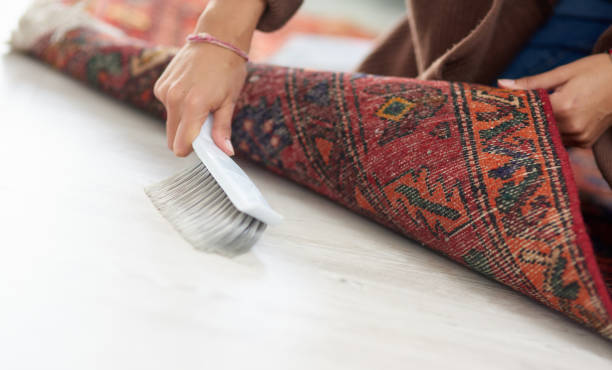
Delicate carpets respond best to light handling. Soft-bristled brushes or smooth cloths are ideal for loosening surface dirt without stressing the fibres. This gentle approach keeps the pile intact while preventing the gradual wear caused by aggressive scrubbing.
Regular, careful cleaning helps stop dirt from becoming embedded, which is especially important for silk and wool carpets that can suffer lasting damage if handled roughly. A light touch consistently applied will always outperform heavy-handed cleaning.
Vacuum Slowly and Thoughtfully
Vacuuming remains one of the most effective ways to protect a delicate carpet, provided it is done with restraint. Using a low-suction setting helps prevent fibres from being pulled loose, while avoiding rotating brush heads reduces the risk of snagging or distortion.
Moving the vacuum in the direction of the pile supports the carpet’s natural structure and keeps the surface looking even.
Done regularly and carefully, vacuuming removes fine dust and debris that would otherwise grind into the fibres over time, helping the carpet retain its shape and elegance.
The Don’ts of Delicate Carpet Cleaning
Caring for delicate carpets is as much about restraint as it is about action. Knowing what to avoid can make the difference between a carpet that ages gracefully and one that shows premature wear.
These common missteps are best avoided if you want to protect both the appearance and structure of your flooring.
Avoid Harsh or Aggressive Chemicals
Strong cleaning agents such as bleach or ammonia have no place in the care of delicate carpets. These substances can strip colour, weaken fibres, and leave lasting damage that cannot be undone.
Natural materials like silk and wool, along with certain fine synthetics, are particularly vulnerable to chemical stress.
Instead, opt for cleaners with a neutral pH or products specifically formulated for sensitive fibres. Mild soaps or material-specific solutions offer effective cleaning without compromising texture or colour.
When in doubt, use gentler options. These products always outperform aggressive treatments over the long term. They are much better for your home environment as well.
Do Not Over-Saturate the Carpet
Too much water is one of the most common causes of carpet damage. Excess moisture can seep into the backing, loosen adhesives, and create conditions where mould may develop. Once this happens, repairs become difficult and often costly.
For everyday stains, a lightly dampened cloth is usually sufficient. Target the affected area rather than soaking the carpet, and allow it to dry naturally.
When deeper cleaning is required, professional steam cleaning is a safer option, as it controls both moisture levels and heat to achieve effective results without over-wetting the fibres.
A carpet washing machine designed for home use can also help, as they regulate water output far more precisely than manual methods.
Keep Carpets Out of Prolonged Direct Sunlight
Natural light brightens a home, but prolonged exposure can quietly damage delicate carpets. Direct sunlight gradually fades colours and weakens fibres, leaving the surface uneven and tired-looking over time.
Using curtains or blinds during peak daylight hours can significantly reduce this risk. UV-filtering window films offer an additional layer of protection without blocking light entirely.
Rotating rugs occasionally also helps distribute exposure evenly, preventing noticeable colour differences and preserving the carpet’s overall appearance.
Don’t Skip Professional Cleaning Altogether
Even with careful day-to-day maintenance, delicate carpets benefit from periodic professional care. Specialists have the experience and equipment to remove deeply embedded dirt without stressing fragile fibres.
As a general rule, arranging a professional cleaning every two years helps maintain the carpet’s condition, depending on foot traffic and usage.
Ignoring this step can lead to accelerated wear, leaving you facing avoidable repairs or replacement far sooner than expected.
Conclusion
Mastering the dos and don’ts of cleaning delicate carpets makes all the difference between a flooring investment that lasts decades and one that fades prematurely.
Regular, mindful maintenance not only keeps your carpets looking immaculate but also creates a healthier home environment free from unnecessary residues.
Treat your delicate carpets with the care they deserve – and they’ll reward you with timeless elegance.