Introduction
In today’s business environment, sustainability is no longer just a public relations talking point—it is a strategic necessity. Investors, regulators, customers, and even employees expect organizations to demonstrate their environmental, social, and governance (ESG) commitments in measurable, transparent ways. To meet these rising expectations, companies are turning to advanced technology solutions that streamline how they capture, analyze, and disclose ESG data. Among these solutions, the best ESG reporting software plays a critical role in ensuring accurate reporting, seamless compliance, and meaningful sustainability insights.
This article explores how modern ESG reporting tools can boost corporate sustainability initiatives, why data accuracy is paramount, and how integrating robust data management software empowers businesses to turn ESG compliance into a competitive advantage.
Why ESG Reporting Matters
Sustainability reporting is more than just an annual requirement; it is a reflection of a company’s values, practices, and accountability. Stakeholders want clear visibility into how organizations are reducing carbon footprints, treating employees fairly, and maintaining ethical governance.
For businesses, effective ESG reporting offers several benefits:
- Enhanced investor confidence – Reliable ESG disclosures attract socially responsible investors.
- Regulatory compliance – Increasing global regulations, such as the EU’s CSRD or SEC’s proposed climate disclosure rules, make reporting mandatory.
- Improved reputation – Transparent sustainability practices strengthen customer trust and brand loyalty.
- Operational insights – Tracking ESG metrics can reveal inefficiencies, drive cost savings, and promote long-term resilience.
However, these benefits are achievable only when ESG reporting is accurate, consistent, and verifiable—challenges that manual spreadsheets or fragmented systems cannot adequately address.
The Rise of ESG Reporting Software
Companies are realizing that managing thousands of data points across departments, supply chains, and geographies is a monumental task. This is where the best ESG reporting software stands out. Designed specifically for sustainability data, these platforms automate data collection, ensure standardization, and generate reports aligned with frameworks such as GRI, SASB, and TCFD.
Key features typically include:
- Centralized data repository for all ESG metrics.
- Automated compliance mapping to global reporting standards.
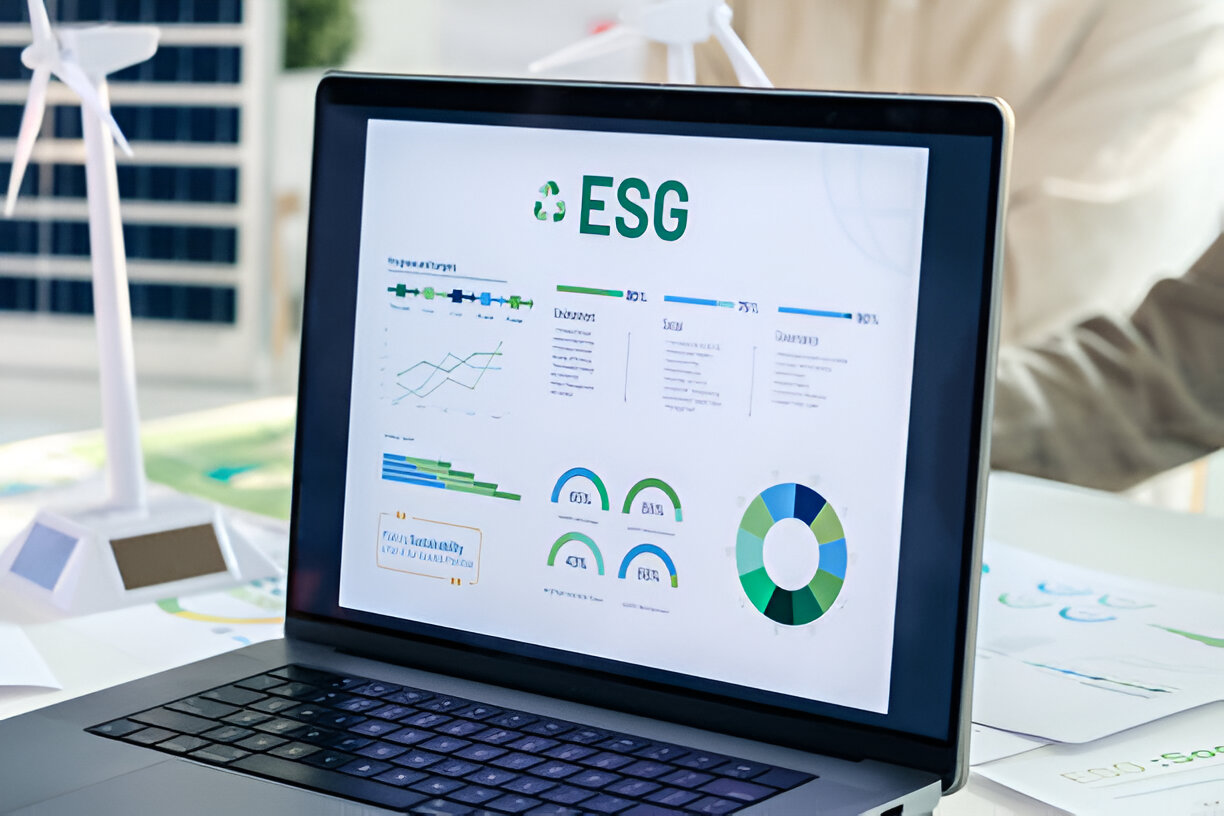
- Real-time dashboards for executives to monitor performance.
- Audit-ready reports to withstand regulatory scrutiny.
By replacing manual processes with intelligent automation, businesses save time, reduce errors, and maintain confidence in the integrity of their ESG disclosures.
The Role of Data Management in ESG Reporting
While ESG software focuses on reporting, it is underpinned by the strength of data management software. ESG data often comes from diverse sources: energy consumption meters, HR systems, procurement databases, supplier audits, and customer surveys. Without proper integration and governance, this data can be inconsistent, incomplete, or even misleading.
Modern data management solutions help by:
- Ensuring data quality through cleansing, validation, and standardization.
- Enabling integration between disparate systems, ensuring ESG platforms receive accurate inputs.
- Maintaining governance with role-based access, compliance checks, and audit trails.
- Supporting scalability as organizations expand their ESG metrics across new regions and initiatives.
The synergy between ESG reporting platforms and robust data management capabilities ensures that sustainability strategies are built on reliable, actionable information.
Boosting Sustainability with ESG Software
Adopting the best ESG reporting software allows businesses to go beyond compliance and use data strategically to advance sustainability. Here’s how organizations benefit:
1. Transparency and Accountability
Software platforms provide clear audit trails and verifiable data points, which increase stakeholder confidence. Businesses can show exactly how energy was reduced, waste was managed, or diversity targets were met.
2. Performance Tracking
Real-time dashboards allow executives to see trends, benchmark against industry peers, and identify areas of improvement. This ensures that ESG is not just a compliance exercise but part of continuous performance management.
3. Strategic Decision-Making
When ESG metrics are integrated with financial and operational data, organizations can make better decisions. For instance, linking carbon emissions data with logistics expenses can help identify cost-effective ways to reduce both fuel costs and emissions.
4. Attracting Investment
Investors are increasingly directing funds toward companies with credible sustainability records. Accurate reporting through software increases a company’s attractiveness to ESG-conscious investors.
5. Engaging Employees and Customers
Employees prefer to work for organizations committed to sustainability, while customers are more loyal to brands aligned with their values. ESG reporting helps communicate these commitments effectively.
Choosing the Right ESG Reporting Software
Not all platforms are created equal. Businesses looking to implement the best ESG reporting software should evaluate options based on:
- Framework compatibility – Ability to support multiple standards like GRI, SASB, and CDP.
- Integration capacity – Seamless connection with existing data management software and ERP systems.
- User experience – Easy-to-use dashboards for both sustainability experts and non-technical stakeholders.
- Scalability – Flexibility to grow as ESG requirements expand.
- Support and updates – Regular updates to reflect evolving global regulations.
Choosing a solution that balances reporting accuracy with usability ensures long-term success in ESG initiatives.
The Future of ESG Reporting
The evolution of ESG reporting is closely tied to technology innovation. Artificial intelligence (AI) and machine learning are beginning to play a role in predicting ESG risks and opportunities, while blockchain could enhance transparency in supply chains. As regulations tighten and stakeholder expectations rise, the need for advanced tools will only increase.
Forward-looking businesses that adopt the best ESG reporting software today will not only stay compliant but also position themselves as sustainability leaders in their industries. When combined with strong data management software, these tools transform ESG reporting into a proactive, value-generating function.
Conclusion
Sustainability is now a cornerstone of modern business success. Accurate, transparent, and timely ESG reporting is essential for compliance, reputation, and long-term growth. The best ESG reporting software, backed by reliable data management software, enables organizations to streamline data collection, ensure accuracy, and deliver insights that go far beyond compliance.
By investing in these technologies, companies can boost their sustainability efforts, gain investor confidence, and strengthen trust with all stakeholders. In the end, ESG reporting is not just about meeting requirements—it’s about creating a resilient, responsible, and future-ready business.