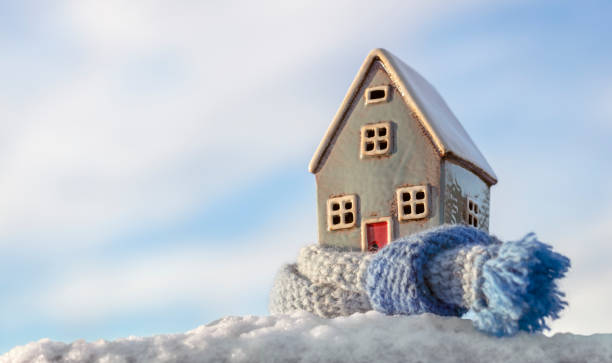
Winter can bring beautiful snow and cozy nights, but it also poses serious challenges for your home. From frozen pipes to energy waste, cold weather can quickly turn your home into a source of stress rather than comfort. Preparing your house before the first frost hits ensures warmth, safety, and peace of mind all season long. Here’s a comprehensive guide to winterizing your home effectively.
1. Inspect and Maintain Your Heating System
Your heating system is the heart of a warm home during winter. Schedule a professional inspection for your furnace, boiler, or heat pump. Replace filters, clean ducts, and check for leaks to ensure efficient operation. Don’t forget to test your thermostat to make sure it’s accurate and responsive. A well-maintained heating system reduces energy bills and prevents mid-winter breakdowns, keeping your home cozy without sudden surprises.
2. Seal Drafts and Insulate
Cold air can seep in through windows, doors, and gaps in your walls, making your heating system work overtime. Check for drafts and seal them with weatherstripping, caulk, or door sweeps. Consider adding extra insulation in your attic and basement to trap heat. Even small improvements can make a noticeable difference in warmth and energy efficiency.
3. Protect Your Pipes
Frozen pipes are a common winter headache. Insulate exposed pipes in basements, attics, and crawl spaces with foam or heat tape. Let faucets drip slightly during extreme cold to prevent freezing, and keep cabinet doors open under sinks to allow warm air circulation. In areas with severe winter temperatures, consider installing a pipe heating system for added security.
4. Inspect the Roof and Gutters
Winter storms can damage shingles, tiles, or metal roofing. Inspect your roof for loose or missing materials and repair them before the first snow. Clean gutters to prevent ice dams, which can lead to water damage inside your home. If you have a metal roof, installing snow guards is a smart idea—they prevent large sheets of snow from sliding off at once, protecting your property and family from injury.
5. Check Windows and Doors
Windows and doors can be major sources of heat loss. Install storm windows if possible, or use thermal curtains and window insulation film. Check the seals around your doors and windows and replace any worn weatherstripping. These simple steps can significantly reduce drafts, keeping your home warmer and your energy bills lower.
6. Prepare for Emergencies
Winter storms can lead to power outages and hazardous conditions. Keep flashlights, batteries, blankets, and non-perishable food on hand. If you live in areas prone to heavy snow or ice, have shovels, ice melt, and snow blowers ready. A stocked emergency kit ensures that you and your family stay safe and comfortable even when the weather takes a turn for the worse.
7. Maintain Outdoor Spaces
Your driveway, walkways, and outdoor equipment also need winter prep. Trim tree branches that could break under snow and ice. Store garden hoses and outdoor furniture indoors or cover them to prevent damage. Applying ice melt or sand to pathways before a storm helps prevent slips and injuries. These small steps keep your outdoor spaces safe and functional throughout the season.
8. Final Touches
Check smoke and carbon monoxide detectors, replace batteries, and make sure your chimney is clean if you use a fireplace. Consider programmable thermostats to optimize heating efficiency, and stock up on winter supplies like fuel, salt, or sand. By taking these final steps, you’re setting yourself up for a winter that’s not just survivable, but enjoyable.
Winter preparation might feel like a lot of work, but the payoff is a home that’s safe, warm, and energy-efficient. By addressing heating, insulation, roofing, and emergency readiness, you can avoid the common pitfalls of winter living. Before the cold hits, invest a little time in winterizing your home—you’ll be thanking yourself when the snow falls and your home remains a cozy haven.