Table of Contents
- Convenience and Time-Saving
- Warranty and Support
- Quality of Components
- Cost Considerations
- Customization Limitations
- Aesthetic Appeal
- Upgradeability
- Conclusion
As gaming technology advances, the decision between assembling a custom PC and selecting a prebuilt desktop gaming PC has become a pivotal topic among enthusiasts. The landscape of PC gaming is not what it was a decade ago—prebuilt machines now offer streamlined solutions, often bundled with high-end hardware right out of the box. For those seeking a seamless entry point into gaming, the appeal of skipping complicated setups is undeniable.
Today, many gamers are weighing the convenience, warranty support, component quality, and overall value of prebuilt systems against the thrills and flexibility of a custom build. Prebuilt PCs eliminate much of the technical stress, catering to players who want instant gratification and robust performance. What was once a domain for tech tinkerers has become accessible and attractive for the mainstream—especially as gaming has gone global and time savings take priority.
But does choosing a prebuilt mean compromising on long-term value or customization? Are these factory-assembled systems keeping up with the evolving expectations of serious gamers? Understanding these factors can help anyone decide if this path aligns with their gaming ambitions.
Prebuilt PCs, with their immediate usability and polished exterior designs, also cater to a growing segment of gamers who may lack the patience or expertise to build a PC from scratch. As more people seek hassle-free, high-performance setups, the reasons behind the rise in popularity of these systems have become clear—and worthy of closer examination.
Convenience and Time-Saving
The primary driving force behind the surge in popularity of prebuilt gaming PCs is convenience. For newcomers and even seasoned gamers who want a “plug-and-play” setup, a prebuilt PC is the gateway to instant gaming. Every component is professionally installed and optimized, eliminating the guesswork, troubleshooting, and potential errors that can occur when building a system. This effortless start is especially valuable for users who don’t have hours to spend researching compatible parts or fine-tuning BIOS settings.
The time-saving benefit extends beyond assembly. The manufacturer often handles software installations and driver updates, allowing you to focus on gaming rather than technical tasks. It’s a level of simplicity that has helped prebuilt PCs earn their place among the best options for gamers of all skill levels. For those interested in a deeper breakdown of the build-versus-buy debate, resources like PC Gamer provide a valuable perspective.
Warranty and Support
A significant advantage of choosing prebuilt PCs is the added security of comprehensive warranties and readily available support. Should hardware failures occur, customers typically receive hassle-free service, quick replacements, or repairs from dedicated help teams. This assurance is a stark contrast to the DIY route, where troubleshooting and RMA processes can be daunting for the uninitiated. As gaming PCs become more intricate, the value of responsive post-purchase support cannot be overstated.
Quality of Components
There’s a persistent—but outdated—belief that prebuilt machines cut corners on hardware quality. Leading brands today regularly feature top-tier graphics cards, processors, and high-performance SSDs from recognizable manufacturers. The rise in transparency and consumer demand has forced system integrators to remain competitive, debunking the myth that prebuilt equals subpar. Gamers can rest assured they’re not compromising on performance when opting for modern prebuilt systems.
Cost Considerations
Many assume assembling a gaming PC from individual parts will always yield better value. While component costs can be lower in a DIY build, this doesn’t always account for the hidden costs—such as time spent on research, assembly tools, and shipping. Prebuilt PCs from reputable companies can leverage bulk discounts, passing along some savings to consumers. Additionally, many packages bundle gaming peripherals or even software, significantly improving the price-to-performance ratio. For a closer look at current PC pricing trends, Tom’s Hardware provides updated analyses and breakdowns.
Customization Limitations
With all their advantages, prebuilt systems are not without drawbacks—most notably in customization. Enthusiasts who love complete control over every aspect of their build may find prebuilt options restrictive. The trade-off for convenience is less flexibility in hardware selection, BIOS tweaking, and aesthetic personalization. For the average gamer, this isn’t a dealbreaker, but those with particular preferences could feel boxed in by the limited choices available in a mass-produced model.
Aesthetic Appeal
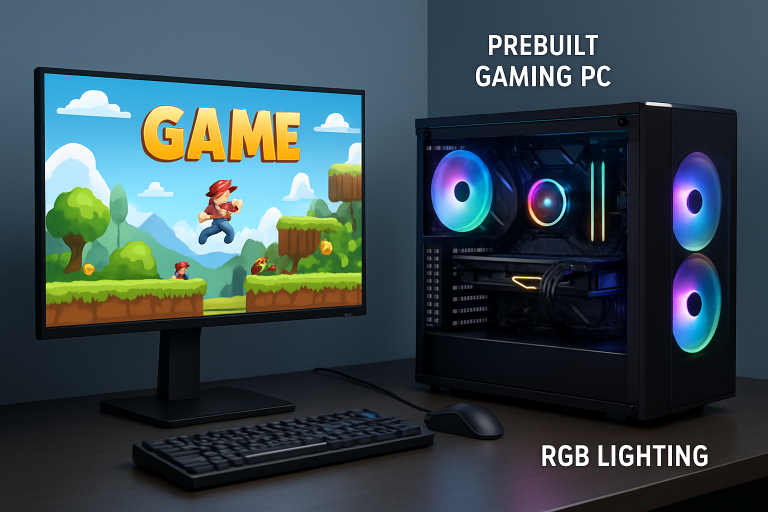
Manufacturers have invested heavily in the appearance of prebuilt PCs, aware of the growing demand for stylish setups. Today’s prebuilt systems often feature refined cases, vibrant RGB lighting, and meticulous cable management—details that rival custom builds. As gaming spaces double as workstations or even centerpiece entertainment hubs, the ability to showcase a visually striking PC has real appeal for a wide variety of gamers.
Upgradeability
One possible pain point is future upgrade potential. Some prebuilt manufacturers use proprietary cases, motherboards, or power supplies, which can limit compatibility with mainstream components in the future. This makes upgrades more challenging compared to a DIY system built with standard parts. Research is key; some brands offer greater flexibility for expansion, so understanding a system’s specs and modularity before buying is crucial to ensure a smooth upgrade path down the road.
Conclusion
Prebuilt gaming PCs have evolved far beyond their early years, catering to both newcomers and veteran gamers seeking hassle-free performance. While not as customizable as DIY rigs, their convenience, reliability, time savings, and modern hardware make them a wise choice for many users. Evaluating your own needs—whether you crave instant access, visual flair, robust after-sales support, or future upgrade options—will help determine if a prebuilt system is your winning move in the current gaming landscape.