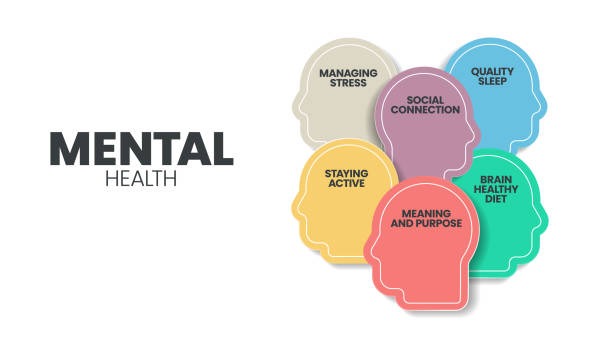
Mental health is essential to overall well-being, shaping our thoughts, emotions, behaviors, and relationships throughout the lifespan. The challenges and demands we face in childhood, teenage years, adulthood, and older age can all impact our psychological wellness differently. That’s why it’s important to integrate mental health practices into our daily lives, no matter our age or circumstance. Fortunately, there are numerous affordable techniques, free community programs, and modern innovations such as TMS therapy in Utah that can help individuals and families actively manage mental health. Empowering people with practical, cost-effective strategies means that support for mental well-being can be accessible at every phase of life and to people from all walks of life.
Learning about these strategies can make a real difference—helping you or a loved one prevent mental health challenges before they escalate, develop lasting resilience, and improve quality of life. By becoming aware of what support is available, you can more easily find interventions that address children, teenagers, adults, or older adults’ unique needs. Whether you’re searching for low-cost resources for a child just learning about emotions, an adolescent facing academic or social pressures, or an older adult navigating new life changes, there are solutions grounded in evidence and compassion for every stage of life.
Childhood: Building Emotional Security
The early years form the foundation for lifelong mental health. At this stage, children are developing their ability to trust, express feelings, and regulate emotions. Children thrive when they feel safe, heard, and valued—something that doesn’t have to cost anything but time and attention. Simple, everyday actions can be powerful, such as reading together before bed, sharing regular family meals where everyone is encouraged to talk, and listening attentively when children share their experiences. These rituals help create a sense of security and build confidence in a child’s voice and abilities.
In addition to supportive routines at home, structured programs like the FRIENDS initiative use play, stories, and guided discussions to build emotional resilience and coping skills. These group activities are designed to help children understand and express their feelings, learn to solve problems, and manage challenges healthily. Because these programs are often offered through schools or local organizations, they’re available at no or low cost, making them especially accessible to families from all backgrounds.
It’s also beneficial for caregivers to involve children in small, age-appropriate decisions and encourage them to discuss their successes and frustrations. For example, ask children about their day, what made them happy or worried, and how they handled different situations. This helps children learn the language of emotions and lays the groundwork for emotional intelligence, empathy, and problem-solving skills that last a lifetime.
Adolescence: Developing Coping Skills
Teen years can be turbulent, marked by the rapidly changing demands of school, growing responsibilities, shifting friendships, and self-discovery. Adolescents can struggle with pressures related to academic performance, social media, identity, or fitting in, making it crucial to equip them with healthy coping tools. One of the most effective, affordable strategies is teaching mindfulness meditation and physical exercise, which research shows can reduce anxiety and boost mood. Simple practices like mindful breathing, regular stretching, or basic yoga can be incorporated into a daily or weekly routine with no cost, providing a way to self-soothe and regulate emotions in stressful moments.
Many communities also offer free or low-cost group workshops for teens focused on stress management, friendship skills, and self-care. These safe spaces teach practical skills and provide vital peer support. Participating in these groups can help adolescents build confidence, share common challenges, and break down the stigma of asking for help. Peer-driven support has the added benefit of normalizing mental health conversations and creating a support network beyond the family.
Adulthood: Balancing Responsibilities
Managing the stresses of work, parenting, relationships, and personal aspirations can sometimes feel overwhelming for adults. The responsibilities may pile up, leading to anxiety, burnout, or feelings of isolation. Accessible support often comes from community support groups or online forums focusing on mental health, specific life transitions, parenting, or caregiving. These groups are commonly run by nonprofits, local health providers, or online communities, and many are free to join or require little commitment. Such environments create spaces where adults can honestly share their struggles, get advice from others who have been through similar experiences, and feel less alone in their challenges.
Self-care also remains vital for adults. Implementing small, consistent habits—such as taking brisk walks, writing in a gratitude journal, engaging in a beloved hobby, or practicing guided relaxation exercises—can benefit stress reduction and emotional well-being. The important thing is to start small and be consistent, even on busy days. Over time, these routines can provide structure, a sense of accomplishment, and a buffer against daily stressors.
Older Adulthood: Maintaining Social Connections
Social isolation and loneliness can become significant risks for mental health as people reach older adulthood, particularly after retirement, the loss of a spouse, or when physical health challenges arise. Staying connected to others is essential for emotional well-being. Older adults often benefit from regularly participating in activities at community centers, volunteering, joining interest-based clubs, or maintaining close ties with family and friends. Participating in group activities can reduce the risk of depression or anxiety and contribute to a deeper sense of purpose and belonging.
To make support more accessible, many communities integrate mental health resources into primary care or offer regular well-being check-ins. Community health clinics may host free workshops, support groups, and intergenerational programs to keep older adults emotionally engaged. Regular participation in these programs supports mental wellness, cognitive health, and physical mobility.
Leveraging Digital Tools
Modern technology is transforming the way we can access mental health support. Digital health platforms—including mobile apps for meditation, self-assessment, teletherapy services, and AI-powered mental health chatbots—now offer private, on-demand assistance at all hours. These tools are especially valuable for individuals who face barriers such as busy schedules, physical disabilities, or geographic distance from traditional services. Many apps are built on evidence-based principles such as Cognitive Behavioral Therapy (CBT), offering guided exercises and feedback that can rival in-person care in effectiveness for mild to moderate struggles. Digital solutions ensure that even those with limited resources or mobility can receive timely and effective mental health interventions.
Preventive Care and Health Screenings
Preventing mental health issues is often more effective—and less costly—than treating them after they become severe. Proactive care means staying attuned to changes in how we feel and function, and seeking help early when issues arise. Regular wellness checkups with medical professionals or counselors can detect the early signs of stress, depression, or anxiety, making it possible to address issues before they escalate. Many nonprofit organizations and community clinics offer free mental health screenings, counseling sessions, and workshops on wellness topics. These services not only support mental well-being but also reduce the long-term burden on families, workplaces, and healthcare systems.
Final Thoughts
Nurturing mental wellness is an ongoing commitment that adapts to our changing needs over time, offering actionable solutions no matter what stage of life we’re in. By embracing affordable, accessible strategies—whether community-based, technology-driven, or rooted in simple daily habits—everyone can protect and improve their mental health. These approaches ensure support is within everyone’s reach, making lifelong well-being possible for individuals, families, and wider communities.