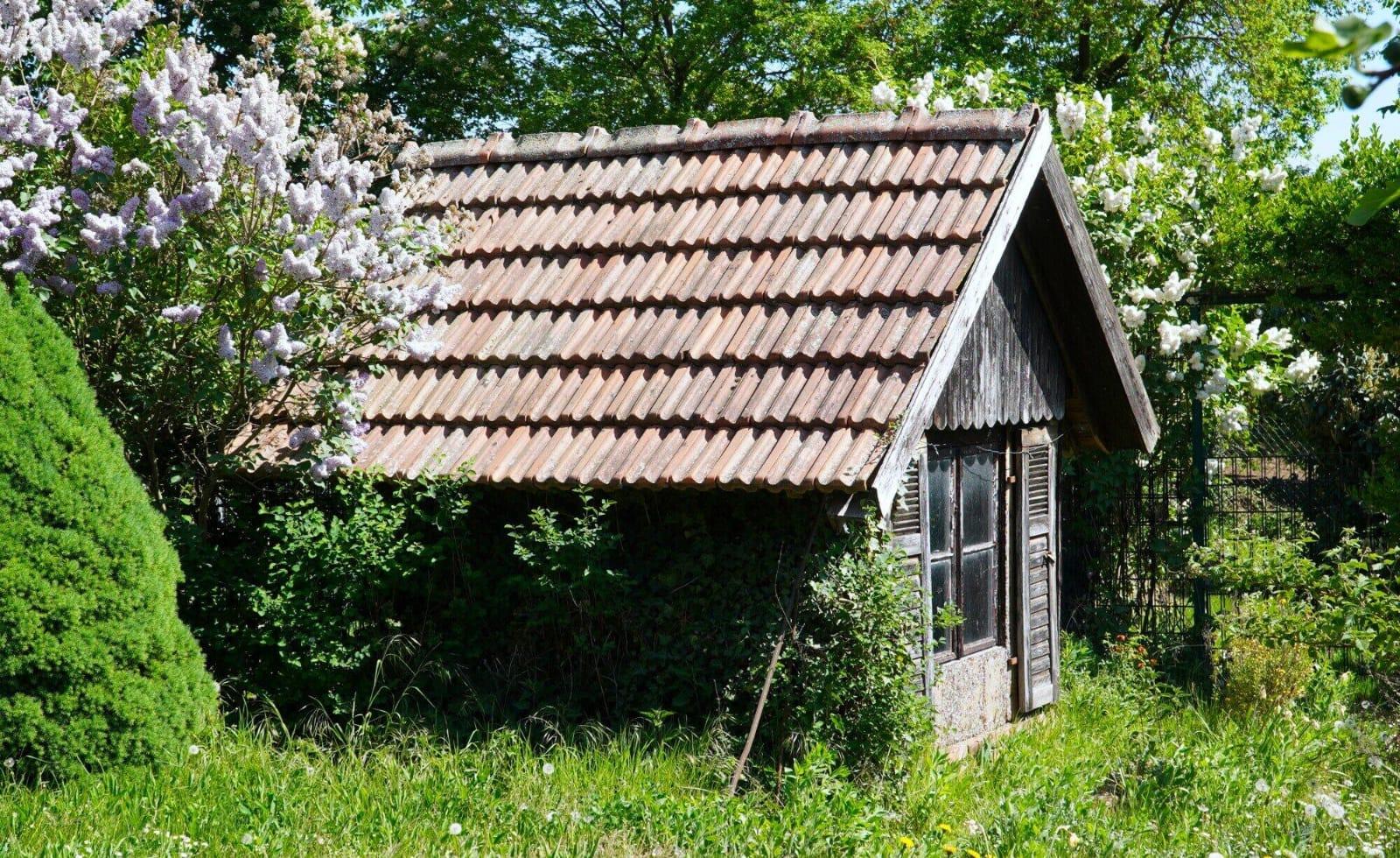
There’s a quiet joy in creating something that stays. A shed, tucked into a garden or standing by a fence, becomes more than a place to keep things. It becomes part of the space-part of the story.
It holds tools, protects hobbies, and makes room for the work and rest that define outdoor life. Choosing the right shed starts with knowing what matters most: durability, beauty, and ease. And the material it’s made of will guide all three.
Let’s explore the materials that shape today’s sheds-each with its own strengths, styles, and story to tell.
The Natural Warmth and Flexibility of Wood
Wooden sheds carry a certain timeless charm. They blend with nature, sit quietly in green spaces, and offer a feeling of warmth that other materials often can’t. For those who care about looks, wood is hard to beat.
But the beauty of wood is more than skin deep. It’s highly customizable. You can add windows, extend the roofline, build shelves, or paint it any shade you like. It’s strong, forgiving, and easy to work with if you plan to modify your shed in the future.
There is a trade-off. Wood needs maintenance. It must be sealed or painted to protect against moisture. It needs protection from termites and mold. However, if well cared for, a wooden shed can last for decades and age gracefully.
The Reliable Strength of Metal
Metal sheds offer durability with less upkeep. Built from galvanized steel or aluminum, they resist fire, insects, and rot. Their strength stands out in tough climates and crowded backyards.
Metal sheds often cost less than wood and take less time to install. They don’t warp or swell in humidity, and they rarely need repainting. Most come with a finish that protects against rust, giving you a structure that holds strong for years.
Still, metal has limits. It can be loud in the rain, and without vents, condensation may collect inside. Sharp edges and thinner panels can also be safety concerns for some.
Plastic and Resin Sheds: Light and Modern
Plastic and resin sheds bring modern convenience to outdoor storage. Made from high-density polyethylene or resin blends, these sheds are resistant to rot, insects, and UV rays. They don’t need painting, and most are designed to snap together with ease.
Today’s plastic sheds are more attractive than in the past. Many include skylights, vents, and even wood-textured walls. Their lighter weight makes them easy to move, while still offering surprising strength.
They’re great for people who want low effort and long life. However, plastic can feel less sturdy under weight. It may warp in extreme heat or crack in freezing weather.
Vinyl Sheds: Durable and Low-Maintenance
Vinyl sheds are a step above plastic in both structure and strength. They hold up in tough climates, resist dents, and stand firm against UV rays and snow. Their thick panels offer better insulation and protection compared to lighter materials.
Vinyl doesn’t peel or fade easily. It’s easy to clean, never needs repainting, and won’t rust or rot. Some vinyl sheds even mimic painted wood for a more classic look-without the added maintenance.
These sheds are often more expensive than their plastic cousins, but they pay off in longevity. For homeowners who want strong, quiet storage that doesn’t demand much in return, vinyl sheds hit a sweet spot.
Fabric Shelters: Portable and Practical
Fabric shelters provide flexible storage at a lower cost. Built with a powder-coated metal frame and covered in durable fabric, these sheds go up quickly and offer surprising weather resistance.
They’re commonly used for firewood, bikes, garden equipment, or even as temporary garages. Their biggest strength is portability. You can move or disassemble them with little effort.
But fabric sheds are not built for long-term, heavy use. High winds, snow, and UV rays can wear down the material over time. Zippers, seams, and poles may need regular checking.
Choose Based on Climate and Conditions
No shed stands alone-it must face your local weather every day. Materials that perform well in dry climates may struggle in humid or coastal zones.
Wood needs sealing in rainy areas. Metal may rust without proper coating. Plastic can expand in heat and crack in cold. Vinyl sheds perform well across many zones but still need solid foundations and ventilation.
If you live in a snow-prone region, be sure your shed has a sloped roof and reinforced framing. In areas with strong wind, anchoring is key. Vents help reduce moisture in humid regions, no matter the material.
Think About Function, Not Just Form
Your shed may begin as storage-but it might become more. Many homeowners use their sheds as hobby spaces, workshops, greenhouses, or quiet retreats.
Wood offers comfort and flexibility for custom interiors. It holds shelves, lighting, and insulation well. Metal works well for raw utility-strong, simple, secure. Plastic and vinyl are ideal for lighter, weatherproof storage.
Even the smallest sheds benefit from smart layout and thoughtful design. Add windows for daylight. Choose double doors for wide equipment. Install hooks, bins, or pegboards to keep things organized.
Function will shape your experience more than finish. Choose the material that supports how you’ll actually use the space-today and in years to come.
Style That Doesn’t Sacrifice Strength
Today’s sheds are as much about appearance as performance. A good shed no longer looks like a backyard afterthought-it can echo the lines of your house, match the color of your trim, or bring a modern touch to rustic settings.
You’ll find wooden sheds with arched doors, plastic models with skylights, and vinyl structures that look like mini cabins. There are even sleek metal designs for industrial-styled yards.
This variety means you don’t have to settle. You can have strength and beauty in one. And with so many quality sheds available in stylish options, your outdoor space becomes more than functional-it becomes complete.
A Door That Opens to More Than Storage
The best shed is the one that works quietly, without trouble, and stays useful for years. It may start as a tool storage space but often evolves into something more.
It becomes a workshop for quiet mornings, a home for your passions, or a corner of calm in a busy day. It holds memories as much as it holds gear.
That’s why material matters. When you choose the right one, you build not just for now-but for later.
Because a shed, like a home, is more than walls and a roof. It’s a part of your story.
For more on this content, visit the rest of our blog!