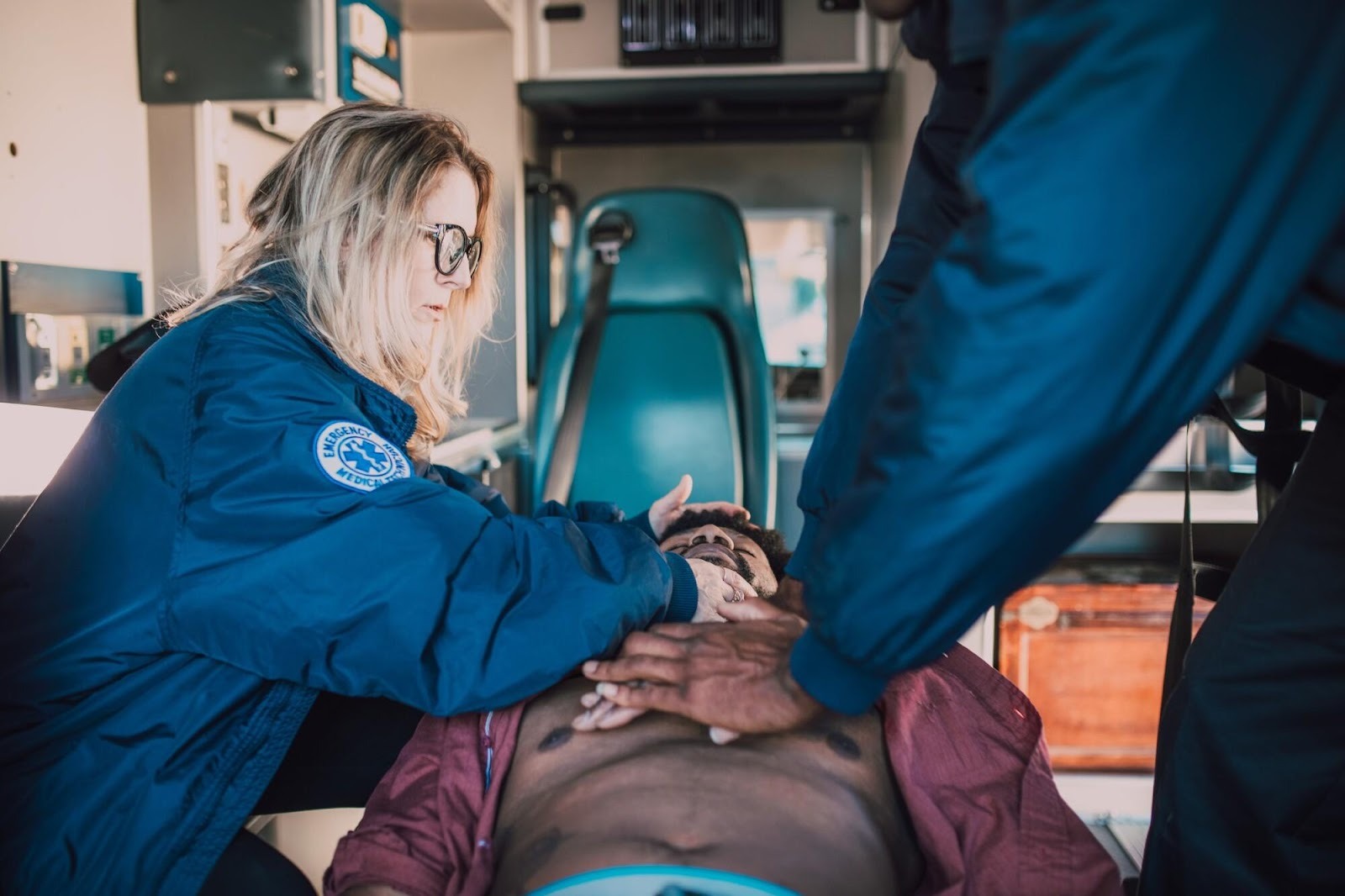
Have you ever wondered what to do if someone suddenly stops breathing or their heart stops beating?
Knowing basic life support and chest compression skills can make the difference between life and death. Learning these skills is easier than you think, and practicing them gives you the confidence to act fast in an emergency.
You don’t need fancy tools, just the right steps and a calm mind. Imagine being able to help someone in a critical moment and possibly save a life. Ready to gain these life-saving skills? Let’s dive in.
Learn the Steps in the Right Order
When an emergency happens, it is important to know what to do first. Basic Life Support, or BLS, has clear steps that make helping safer and faster. First, check if the person is awake. Tap them gently and ask if they are okay.
If there is no answer, call for help right away. Open their airway by tilting the head back and lifting the chin. Check if they are breathing. If they are not breathing or only gasping, start chest compressions.
Following these steps in order helps the person get fast and proper help. Taking a class can also reinforce these steps and is part of earning a CPR certification.
Practice Chest Compressions
Chest compressions are the most important part of BLS. They help pump blood when the heart stops. Practicing on a manikin, a training dummy, is the best way to learn. You can feel how deep to push and how fast.
Reading is not enough; hands-on practice is needed. The more you practice, the more confident you will become. Regular practice also makes your movements smoother. Being smooth and steady can save important seconds in a real emergency.
Focus on Compression Depth
The depth of chest compressions is very important. For adults, press down about two inches, or five centimeters. If you push too little, blood won’t move enough. If you push too much, it may cause harm.
The goal is to keep blood flowing to the brain and other organs. Practicing on a manikin helps you feel the right pressure. With practice, you will automatically know how deep to push. Getting the depth right is key to doing effective chest compressions.
Keep a Steady Rhythm
The speed of compressions matters too. Aim for 100 to 120 pushes per minute. This keeps blood flowing at the right speed. Going too fast can make compressions too shallow. Going too slow can lower blood flow.
You can practice rhythm by counting or using a song with the right beat. Training and repeating this rhythm will make it easier. Keeping a steady pace is one of the most important things in saving a life.
Allow Full Chest Recoil
After each push, let the chest rise fully. This is called chest recoil. Letting the chest come back up lets the heart refill with blood before the next push. If you skip this step, less blood moves through the body, and CPR is less effective.
Practicing on a manikin helps you feel when the chest rises fully. It may seem simple, but this step makes a big difference. Paying attention ensures each push is effective.
Practice Rescue Breaths Carefully
Rescue breaths are part of BLS for people trained to give them. After 30 chest compressions, give two breaths. Make sure the chest rises with each breath. This shows that air is going into the lungs. Cover the person’s mouth with your own to create a seal.
Give each breath slowly. Rescue breaths bring oxygen to the body when the person cannot breathe. Practicing this step makes it easier and smoother over time.
Stay Calm Under Pressure
Emergencies can feel scary, but staying calm is very important. Panic can slow your actions and lead to mistakes. Focus on the steps you learned. Confidence grows with training and practice. Knowing the correct steps helps you act fast without fear.
Staying calm also comforts the person, even if they are unconscious. Calm thinking is just as important as doing compressions and breaths correctly. Practicing being calm during training helps you handle real emergencies better.
Repeat Practice Regularly
BLS, like any skill, gets better with practice. The more you repeat the steps, the easier they become. Practicing keeps the steps fresh in your mind. Repetition makes the actions instinctive.
When an emergency happens, you won’t have to think too much. Practice can be done on a manikin alone or in a class with others. Short, frequent practice sessions help a lot. Regular practice builds muscle memory, which is needed for quick and correct action.
Take a Certified BLS Course
Learning BLS in a class with trained instructors is the best way to gain full confidence. Certified courses give hands-on training and feedback. Instructors can correct mistakes and help you understand the steps better.
Courses also teach when and how to use skills safely. Certification shows you are trained and ready to act in emergencies. Many people feel more confident after taking a class because they know they have practiced under supervision. Enrolling in a certified BLS course is one of the smartest ways to get ready.
Building Confidence to Save Lives
Learning BLS and chest compressions is more than knowing the steps. It is about being ready to act. Confidence grows with understanding, practice, and training. Each step, from compressions to rescue breaths, is important.
Doing them correctly can make the difference between life and death. Even small practice sessions, like using a manikin or reviewing steps, add up over time. The goal is to be prepared, stay calm, and help effectively.
With practice and the right mindset, anyone can save a life when it matters most.
Keep Learning and Updating Skills
BLS rules are updated from time to time, so staying up to date is important. Refreshing your knowledge keeps your skills effective. Attending workshops or reviewing online guides helps. Practicing with friends or family in a safe place also helps.
Life-saving skills work best when kept sharp. Even after certification, regular practice is important. Learning continuously builds confidence, improves technique, and keeps you ready for real emergencies.
Master Basic Life Support with Confidence
Mastering Basic Life Support and chest compression skills gives you the confidence to act in emergencies. Regular practice, calm thinking, and proper training prepare you to save lives effectively.
Start learning, keep practicing, and take the steps needed to make a real difference when it matters most.
Did you find this article helpful? You can check out our website for more awesome content like this!