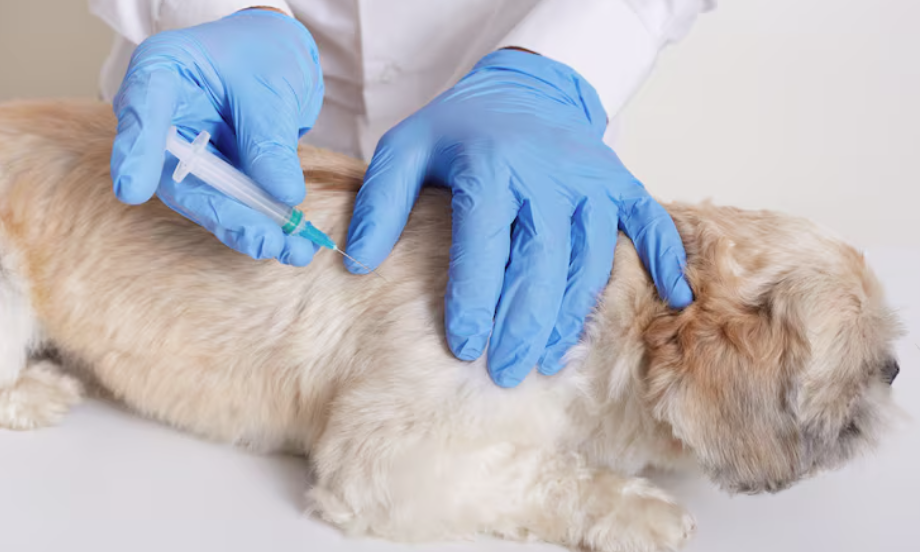
You want to do right by your pet, and vaccine visits can still feel like one more thing to sort out. There is the cost, the schedule, the worry about side effects, and the quiet fear of missing something that actually matters. If you have ever looked at a reminder card from an animal clinic and thought, “Do they really need all of these?” you are not alone, especially when trying to make sense of veterinary wellness care in West Palm Beach.
The short answer is that some vaccines protect against serious diseases your pet could realistically face, even with good care at home. Others depend on lifestyle, age, travel, and exposure risk. The goal is not to vaccinate blindly. The goal is to protect your dog or cat from preventable illness with a plan that fits real life.
Core pet vaccinations protect against diseases that spread fast and hit hard
Most clinics start with core vaccines, which are the shots recommended for nearly all pets because the diseases are severe, contagious, or both. For dogs, rabies and distemper combinations are common. For cats, rabies and FVRCP are routine. These are among the most common pet vaccines because they cover threats that can lead to suffering, emergency care, or death.
Rabies stands apart for a reason. It is fatal once symptoms appear, and it can spread to people. That changes the stakes for your household and your community. The CDC provides clear guidance for veterinarians on rabies prevention and control, and that is part of why rabies vaccination is required by law in many places.
Distemper combination vaccines matter because they protect against more than one disease in a single visit. In dogs, that often includes distemper, adenovirus, and parvovirus. Parvo alone is enough to make many owners stop in their tracks. A young puppy with vomiting, bloody diarrhea, and dehydration can decline fast, and treatment can become expensive within hours.
For cats, FVRCP covers feline viral rhinotracheitis, calicivirus, and panleukopenia. Indoor cat owners sometimes assume these risks do not apply to them, but viruses can still come in through new pets, short escapes outdoors, boarding, or contaminated items. Cornell’s feline health experts explain the benefits and risks of feline vaccines in a balanced way, which helps when you are trying to weigh protection against possible reactions.
Rabies vaccination is one of the most common services at an animal clinic
Rabies is one of the four vaccinations owners hear about most often, and for good reason. A pet that bites someone without proof of current rabies vaccination can trigger quarantine rules, reporting requirements, and a lot of stress. If your dog slips out of the yard or your cat tangles with wildlife, that vaccine record suddenly matters in a very practical way.
You are not just checking a box. You are reducing the chance of a legal and medical crisis. That is why 4 Common Vaccinations Offered At Animal Clinics almost always includes rabies near the top.
Distemper and parvovirus coverage helps puppies and dogs avoid severe illness
Puppies are curious, social, and not fully protected right away. They sniff sidewalks, meet other dogs, and put everything in their mouths. That is normal, but it also creates easy paths for exposure. The standard dog combination vaccine helps close those gaps while their immune system is still developing.
Adult dogs need boosters based on age, prior vaccine history, and risk. A dog that goes to daycare, the groomer, boarding, training class, or busy parks often has a different risk profile than a dog with very limited contact. That is where a good clinic visit becomes useful. You get a plan built around the dog you actually have, not a generic chart.
FVRCP is a standard cat vaccine that covers common feline infections
Cats hide illness well. By the time symptoms are obvious, they may already feel miserable. FVRCP helps prevent respiratory infections and panleukopenia, which can be severe, especially in kittens. If you have ever watched a congested kitten struggle to eat or breathe comfortably, you know how quickly “just a little sneezing” can turn into a bigger problem.
This is one reason common vaccinations for pets are discussed so often during kitten and annual wellness visits. Prevention is usually simpler, safer, and cheaper than treatment after the fact.
Bordetella is often recommended for pets with regular outside contact
Bordetella is not always called a core vaccine, but it is commonly offered at an animal clinic because so many dogs spend time around other dogs. Boarding kennels, daycare centers, training facilities, dog parks, and grooming salons may require it. The illness it helps prevent, often called kennel cough, spreads easily in group settings.
Some dogs recover from kennel cough with supportive care. Some do not bounce back so easily, especially puppies, older dogs, and dogs with other health issues. If your dog has a social life, this vaccine is often worth discussing.
Comparing four common vaccine options helps you plan ahead
| Vaccine | Usually Recommended For | Main Risk It Helps Prevent | Common Real World Trigger |
|---|---|---|---|
| Rabies | Dogs and cats | Fatal viral disease that can spread to people | Wildlife exposure, bites, legal requirements |
| DHPP or DAPP | Dogs, especially puppies | Distemper, parvovirus, adenovirus, parainfluenza | Walks, shared spaces, puppy classes |
| FVRCP | Cats, especially kittens | Respiratory disease and panleukopenia | New cats, shelter exposure, brief outdoor access |
| Bordetella | Dogs with frequent social contact | Kennel cough | Boarding, daycare, grooming, dog parks |
Practical steps make vaccine decisions easier and less stressful
Bring your pet’s full history. Take vaccine records, adoption paperwork, travel plans, and any past reaction details to the appointment. If your pet had swelling, vomiting, or extreme lethargy after a shot before, say that right away.
Match the plan to your pet’s real life. An indoor senior cat, a hunting dog, and a puppy in weekly daycare do not need the same schedule. Ask the clinic to explain which vaccines are core, which are lifestyle based, and when boosters are due.
Watch for normal versus concerning reactions. Mild soreness, sleepiness, or reduced appetite for a day can happen. Trouble breathing, facial swelling, repeated vomiting, collapse, or severe weakness needs prompt veterinary attention.
Vaccines offered at veterinary clinics work best when the schedule fits your pet
Vaccines offered at veterinary clinics are not one size fits all, and that is actually good news. It means your pet can get protection that makes sense for their age, habits, and health. A thoughtful vaccine plan lowers risk without adding extras your pet does not need.
If you have been putting this off because the choices feel confusing, that feeling makes sense. The next step is still simple. Book a wellness visit, bring your questions, and get clear on which shots matter most for your pet right now.